
Health and Food 2/2
Exploring the relationship between Nutrition and Well-being
Health and Food 2/2
The Role of Food in Disease Prevention
Eating for a healthy heart
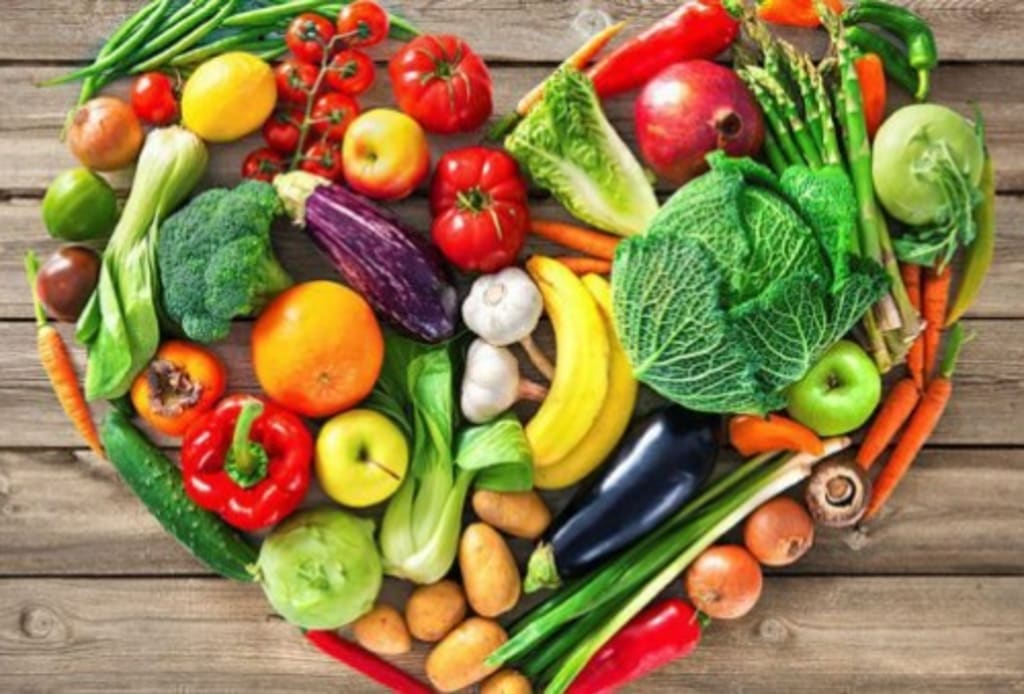
A heart-healthy diet can significantly reduce the risk of cardiovascular diseases. This includes consuming foods low in saturated and trans fats, cholesterol, and sodium. Instead, a diet rich in fruits, vegetables, whole grains, lean proteins, and healthy fats like olive oil can help maintain optimal heart health.
Reducing the risk of chronic diseases
A nutritious diet plays a crucial role in preventing chronic diseases like diabetes, obesity, and certain types of cancer. Avoiding excessive sugar, refined grains, and processed foods while focusing on whole, unprocessed options can help control weight, manage blood sugar levels, and reduce the risk of developing these conditions.
Dietary Recommendations for Optimal Health
The importance of portion control
Maintaining portion control is key to a healthy diet. It helps prevent overeating and ensures a balanced intake of nutrients. Understanding appropriate serving sizes and practicing mindful eating can contribute to better weight management and overall health.
Choosing whole, unprocessed foods
Opting for whole, unprocessed foods is an effective way to enhance nutritional intake. These foods are typically lower in added sugars, sodium, and unhealthy fats. Instead, they offer higher levels of vitamins, minerals, fiber, and other beneficial compounds.
Common Dieting Myths and Facts
Debunking popular diet misconceptions
The world of dieting is filled with myths and misconceptions. It is important to separate fact from fiction when making dietary choices. For example, crash diets and extreme restrictions often lead to short-term results but are unsustainable and can be harmful in the long run. Understanding evidence-based approaches to healthy eating can help individuals make informed decisions.
Evidence-based approaches to healthy eating
A balanced, sustainable approach to eating is key to long-term health. Instead of focusing on short-term fads, it is advisable to prioritize a diet rich in whole foods, moderate portion sizes, and regular physical activity. Consulting with a registered dietitian can provide personalized guidance and support.
Healthy Eating Habits for Different Life Stages
Nutrition during pregnancy and breastfeeding
Pregnancy and breastfeeding require additional nutrients to support the growth and development of both the mother and the baby. A well-balanced diet, including prenatal supplements as recommended by healthcare professionals, can help meet the increased nutritional needs during these stages.
Nutrition for children and adolescents
Healthy eating habits established during childhood and adolescence set the foundation for lifelong well-being. Encouraging the consumption of nutrient-dense foods, limiting sugary snacks and beverages, and promoting regular physical activity contribute to healthy growth and development.
Nutrition for older adults
As we age, our nutritional needs may change. Older adults may require higher levels of certain nutrients, such as calcium and vitamin D, to support bone health and prevent age-related conditions. Adequate hydration and maintaining a varied diet are essential for promoting overall health in this stage of life.
Sustainable Food Choices for a Better Future
The environmental impact of our food choices
Our food choices have a significant impact on the environment. From greenhouse gas emissions to deforestation and water pollution, the food production industry contributes to various environmental issues. Opting for locally sourced, seasonal, and organic foods, reducing food waste, and supporting sustainable farming practices can help mitigate these effects.
Incorporating sustainable practices into our diets
Adopting a more sustainable approach to eating involves embracing plant-based meals, reducing meat consumption, and choosing organic and ethically sourced products. Supporting local farmers' markets and community-supported agriculture programs can also contribute to a more sustainable food system.
Conclusion
The relationship between health and food is undeniable. By understanding the basics of nutrition, making informed dietary choices, and embracing a balanced and sustainable approach to eating, we can promote optimal physical and mental well-being. Remember, small changes in our diet can have a significant impact on our overall health in the long run.
FAQs (Frequently Asked Questions)
1. Can a healthy diet cure all diseases?
• While a healthy diet is crucial for maintaining good health, it cannot cure all diseases. However, it can significantly reduce the risk of developing many chronic conditions and support overall well-being.
2. Is organic food always healthier?
• Organic food is grown without synthetic pesticides and fertilizers, which some individuals believe makes it healthier. However, research comparing the nutritional content of organic and conventionally grown food is inconclusive. The choice to consume organic food depends on personal preferences and beliefs.
3. What are some easy ways to incorporate more fruits and vegetables into my diet?
• Adding fruits and vegetables to smoothies, salads, and stir-fries is an easy way to increase your intake. Snacking on fresh or dried fruits and keeping pre-cut vegetables readily available can also help incorporate more produce into your daily meals.
4. Are dietary supplements necessary for good health?
• In general, a well-balanced diet should provide all the necessary nutrients. However, some individuals, such as pregnant women or those with spe healthcare professionals before starting any new supplements.
5. How can I determine the nutritional content of the food I consume?
• Nutrition labels on packaged foods provide information about the nutrient composition. Additionally, online databases and smartphone apps can help track nutritional information and make informed choices about the foods you consume.
"The end of Health and Food 2/2"
"In case if you missed Health and Food 1/2. then read the first part 1/2"
About the Creator
Waqar Ahmad
Reading is good for you because it improves your focus, memory, empathy, and communication skills. It can reduce stress, improve your mental health, and help you live longer. Reading also allows you to learn new things to help you in life
Keep reading
More stories from Waqar Ahmad and writers in Humans and other communities.
Health and Food 1/2
Health and Food 1/2 Exploring the relationship between Nutrition and Well-being Introduction In today's fast-paced world, maintaining good health is of utmost importance. A crucial aspect of overall well-being is the relationship between health and food. Our dietary choices significantly impact our physical and mental health, making it essential to understand the role of nutrition in promoting a healthy lifestyle. This article aims to explore the intricate connection between health and food, emphasizing the importance of making informed dietary decisions.
By Waqar Ahmad3 years ago in Humans
Autonomy Is The Real Privilege
Good morning, freedom-seekers! Today we’re gonna be looking at autonomy. A strange word, I know; one many would probably look at blankly and run away from on sight. We’re gonna figure out what it actually means, consider how it’s achieved, and decipher just how deeply most of us are tangled up in dependence without realising it.
By That ‘Freedom’ Guy4 days ago in Humans
7 Everyday Reactions Predicting Relationship Success.
Relationships succeed or fail in small moments. Researchers study daily reactions because patterns reveal outcomes. Words matter less than responses under routine pressure. You show these reactions during chores, stress, conflict, and silence. Over time, they predict stability, trust, and satisfaction.
By Wilson Igbasiabout 15 hours ago in Humans



Comments
There are no comments for this story
Be the first to respond and start the conversation.