
Fresh Vegetables: A Guide to Their Benefits, Selection, and Storage
Fresh Vegetables
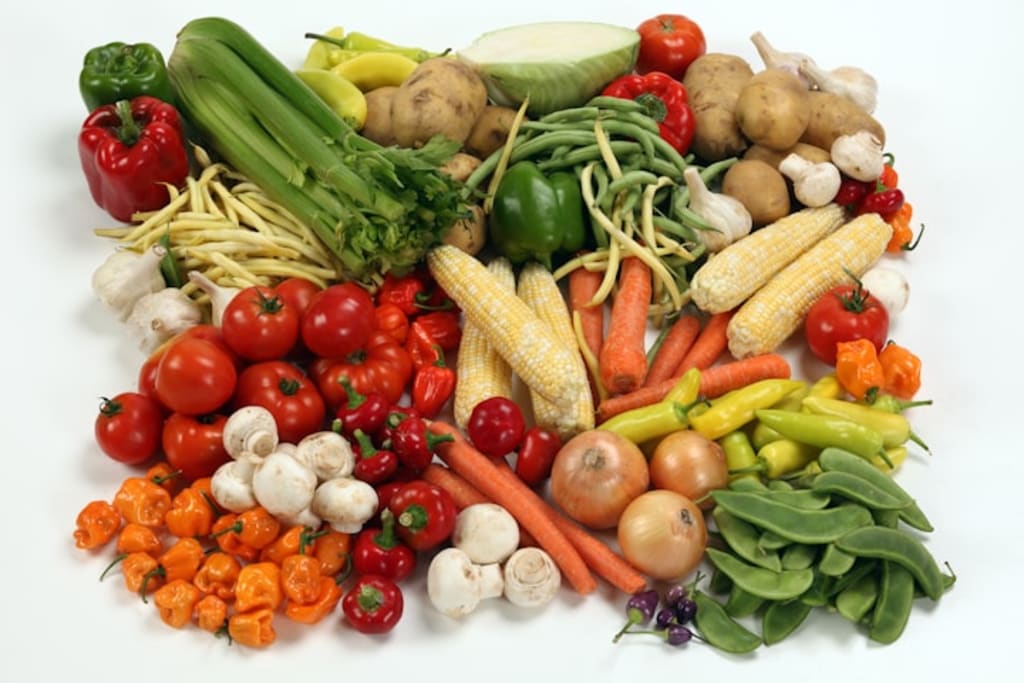
Fresh Vegetables: A Guide to Their Benefits, Selection, and Storage
Fresh vegetables are nature's gift to a healthy lifestyle. Packed with essential nutrients, they are the cornerstone of a balanced diet. Whether you're a health enthusiast or simply looking to enhance your meals, fresh vegetables are indispensable. This article delves into the benefits of fresh vegetables, tips for selecting the best produce, and how to store them for maximum freshness.
Why Fresh Vegetables Are Essential for Your Health
Fresh vegetables are a powerhouse of vitamins, minerals, antioxidants, and fiber.
1. Boost Immunity
Fresh vegetables like spinach, broccoli, and bell peppers are rich in vitamins C and A, which play a crucial role in strengthening the immune system.
2. Support Digestive Health
High in dietary fiber, vegetables like carrots, zucchini, and leafy greens help maintain a healthy digestive system by promoting regular bowel movements and reducing constipation.
3. Improve Heart Health
Vegetables such as kale, tomatoes, and beets are loaded with potassium and antioxidants that help regulate blood pressure and reduce the risk of heart disease.
4. Aid in Weight Management
Low in calories but high in nutrients, fresh vegetables are an excellent choice for those aiming to maintain or lose weight. Their fiber content helps you feel full, reducing the urge to snack on unhealthy foods.
5. Provide Essential Nutrients
Fresh vegetables are natural sources of essential nutrients like magnesium, potassium, folate, and iron, which are vital for overall well-being.
Tips for Selecting the Best Fresh Vegetables
Choosing high-quality fresh vegetables is key to enjoying their full flavor and nutritional benefits.
1. Look for Vibrant Colors
Bright and vibrant colors are often a sign of freshness and high nutrient content. For example, choose deep green spinach, bright red tomatoes, and vivid orange carrots.
2. Check for Firmness
Fresh vegetables should feel firm and sturdy. Avoid any produce that feels soft, wilted, or mushy.
3. Inspect for Blemishes
Look for vegetables with smooth, unblemished skins. Avoid items with cracks, bruises, or spots, as these could indicate spoilage.
4. Buy Seasonal Produce
Seasonal vegetables are usually fresher, tastier, and more affordable. For instance, asparagus and peas are best in spring, while squash and pumpkins shine in fall.
5. Purchase Locally
Local farmers' markets and produce stands often offer vegetables that are fresher and more sustainably sourced compared to supermarket options.
How to Store Fresh Vegetables for Maximum Freshness
Proper storage can significantly extend the shelf life of your fresh vegetables, preserving their taste and nutritional value. Follow these storage tips:
1. Separate Ethylene-Producing Vegetables
Some vegetables, like tomatoes and avocados, release ethylene gas, which can cause other vegetables to ripen and spoil faster. Store these separately.
2. Use the Right Temperature
Refrigerate: Vegetables like broccoli, lettuce, and cucumbers should be stored in the refrigerator.
Room Temperature: Potatoes, onions, and garlic are best kept in a cool, dry place outside the fridge.
3. Avoid Washing Before Storage
Moisture can accelerate spoilage. Wash vegetables only when you're ready to use them.
4. Store in Perforated Bags
Use perforated plastic bags or reusable produce bags to maintain adequate humidity and airflow, especially for leafy greens.
5. Freeze for Long-Term Storage
If you have excess vegetables, blanch them briefly in boiling water, then freeze them.
Incorporating more fresh vegetables into your meals doesn't have to be boring.
1. Smoothies
Blend spinach, kale, or cucumber with fruits like bananas and berries for a nutrient-packed smoothie.
2. Salads
Combine mixed greens, cherry tomatoes, shredded carrots, and avocado for a refreshing salad.
Stir-fry bell peppers, snap peas, and broccoli with a dash of soy sauce and sesame oil for a quick and healthy side dish.
4. Roasted Vegetables
Toss carrots, zucchini, and sweet potatoes with olive oil and your favorite herbs, then roast them for a caramelized, flavorful treat.
5. Soups and Stews
Add diced vegetables like celery, onions, and tomatoes to soups and stews for a hearty and nutritious meal.
6. Snacks
Slice cucumbers, carrots, and bell peppers into sticks and pair them with hummus or yogurt dip for a healthy snack.
The Environmental Benefits of Choosing Fresh Vegetables
Opting for fresh vegetables, especially those that are locally grown, is not only good for your health but also for the planet. Here's how:
Reduced Carbon Footprint: Locally sourced vegetables require less transportation, reducing greenhouse gas emissions.
Less Packaging Waste: Fresh vegetables often come with minimal or no packaging, helping to cut down on plastic waste.
Support for Sustainable Farming: Choosing vegetables from local and organic farms promotes environmentally friendly farming practices.
Common Myths About Fresh Vegetables
Despite their widespread popularity, there are several myths surrounding fresh vegetables. Let’s debunk a few:
1. Fresh Vegetables Are Always Better Than Frozen
While fresh vegetables are excellent, frozen vegetables can be equally nutritious.
2. Organic Vegetables Are Always Healthier
Organic vegetables are grown without synthetic pesticides, but their nutritional value is comparable to conventionally grown produce.
3. Washing Vegetables with Soap Is Necessary
Rinsing vegetables with clean water is sufficient to remove dirt and bacteria. Using soap can leave residues that are unsafe for consumption.
Conclusion
Fresh vegetables are a vital component of a healthy diet, offering an array of benefits for your body and the environment. By choosing the best produce, storing it correctly, and incorporating it creatively into your meals, you can maximize its potential. Whether you're savoring a fresh salad or a hearty vegetable stew, the journey to a healthier lifestyle starts with embracing the power of fresh vegetables.
About the Creator
Keep reading
More stories from writers in Humans and other communities.
Time to change your life.
Is it even possible for you to change your life? A lot of people, more than there should be, are unhappy with their lives. But what are they doing about it? Usually nothing. People talk about how shitty their lives are and want change, but are they not taking the actions to change?
By Jen Phillipsabout 9 hours ago in Humans
Why Self Aware People Walk Away From Arguments Early.
Self aware people leave arguments early because they value clarity over control. You see this behavior in classrooms, offices, homes, and public spaces. They do not exit because they lack confidence. They exit because they understand how conflict works inside the human mind.
By Wilson Igbasi6 days ago in Humans
Instructions Included Challenge Winners
For the Instructions Included challenge, we asked writers to tell a story through instructions and to trust the form to carry what could not be said outright. Across the top entries, that trust paid off in many different ways.
By Vocal Curation Team3 days ago in Resources
Off the Book
It ended like every other stupid idea. Badly, and alone. I’m researching digital confession ethics, he said. A tech ethicist. He gestured at floating data I couldn’t see then pulled out a physical notebook. Actual paper, fountain pen. He held it up like he was showing me scripture.
By Nicky Frankly2 days ago in Fiction


Comments
There are no comments for this story
Be the first to respond and start the conversation.