
Flowers To Eat For Your Health
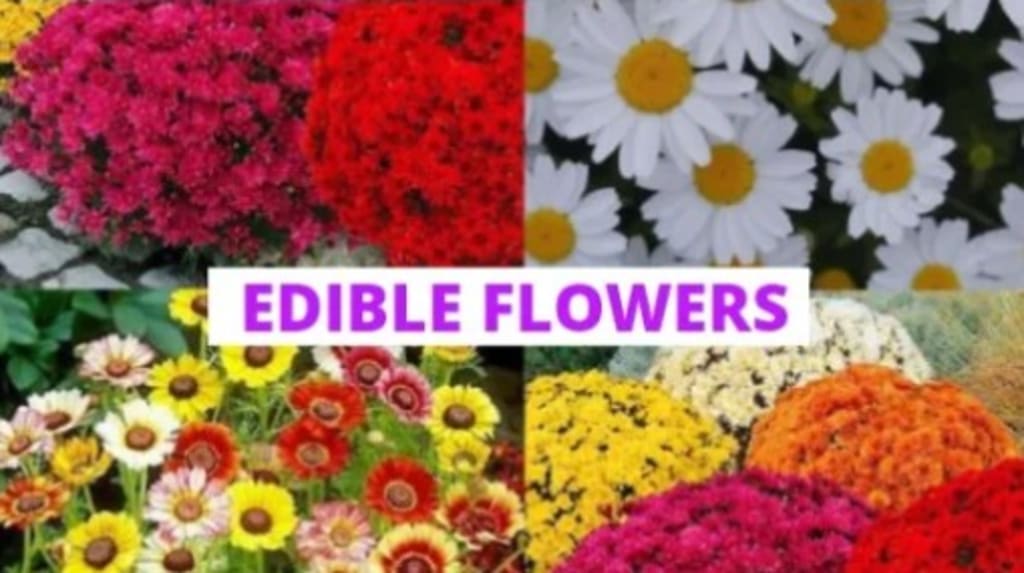
You might be missing out if you do not eat flowers for your health.

DISCLAIMER
Some of my family and friends say I come up with the most unusual articles to write. They also claim that the articles contain information they were unaware of. I continue to share information in the form of “unusual articles” to help others learn new things that I have discovered.
Even if the knowledge is not utilized for one's own benefit, people may still find it beneficial when they hear questions about the subjects on trivia game shows.
Flower Power
Almost everyone loves flowers. They love receiving them on holidays, for birthdays, and on other special occasions.
Although we have seen flower petals on restaurant food, people often assume that they are only used for presentation. A study published by the Institute of Food Technologists reports that some edible flowers have health benefits due to their high levels of antioxidants that may prevent heart disease and certain cancers.
I admit, it is hard to believe that some flowers can be eaten for health reasons. Perhaps it is better not to think of them only as a main dish cooked in a pot like green and leafy vegetables such as collard greens, kale, spinach, or cabbage. Instead, think of flower blossoms sprinkled on a dish, a salad, in soups, or blossoms as colorful garnishes on desserts and in beverages.
Here is an alphabetical list of only a few flowers you probably didn't know you can and should eat.
Chrysanthemums
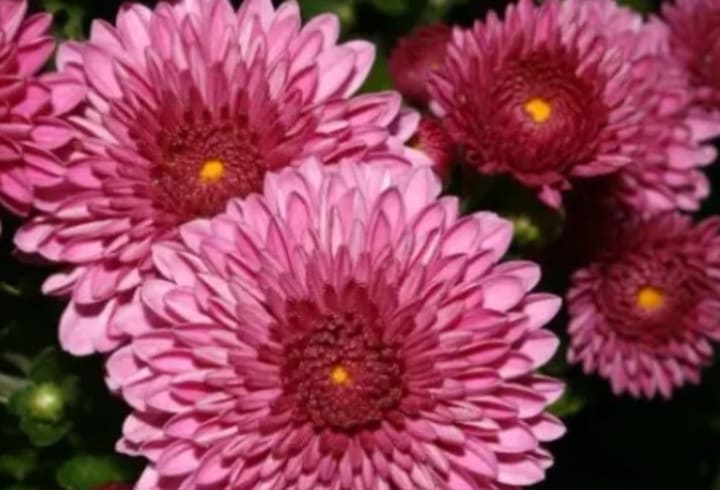
Chrysanthemums are also known as mums. Vitamins A, B6, C, and several other minerals are abundant in them.
The beautiful flower is slightly peppery and tastes like mild cauliflowers. Use the flower petals to flavor stews, soups, and stir-fries. Also, the petals can enhance your next cup of tea or another beverage.
Hibiscuses
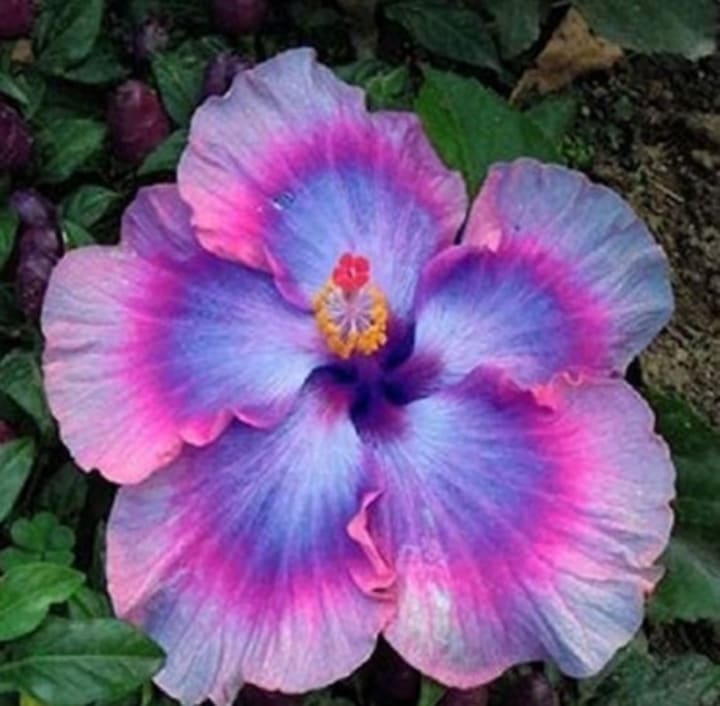
Hibiscus flowers are commonly used as a garnish for salads, but they can also be used in tea. Its flavor will remind you of cranberries and citrus. Consuming hibiscus is believed to control cholesterol and lower blood pressure.
Honeysuckles
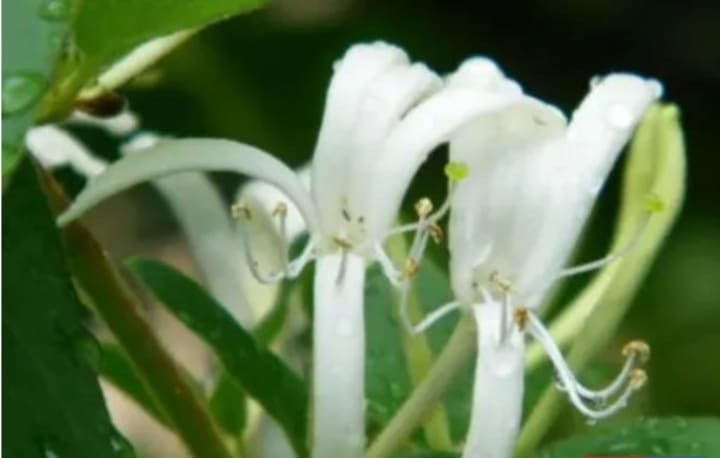
Chinese medicine has long utilized honeysuckles as a skin tonic and to treat inflammation and fevers.
Honeysuckles taste like sweet honey. They can be used to make jams, jellies, syrups, and puddings. However, one of the best ways to enjoy honeysuckles is to make tea out of its flowers.
Be careful not to eat honeysuckle berries because they are highly poisonous.
Lavenders

Lavenders are beautiful and have a sweet fragrance. The flowers are rich in essential oils that have antioxidant and anti-inflammatory properties. Lavender can be used in sorbets, ice creams, and other desserts. Garnish a glass of champagne with lavender.
Add a few drops of essential lavender to your food if you want to eat lavender, but it's not readily available.
Marigolds
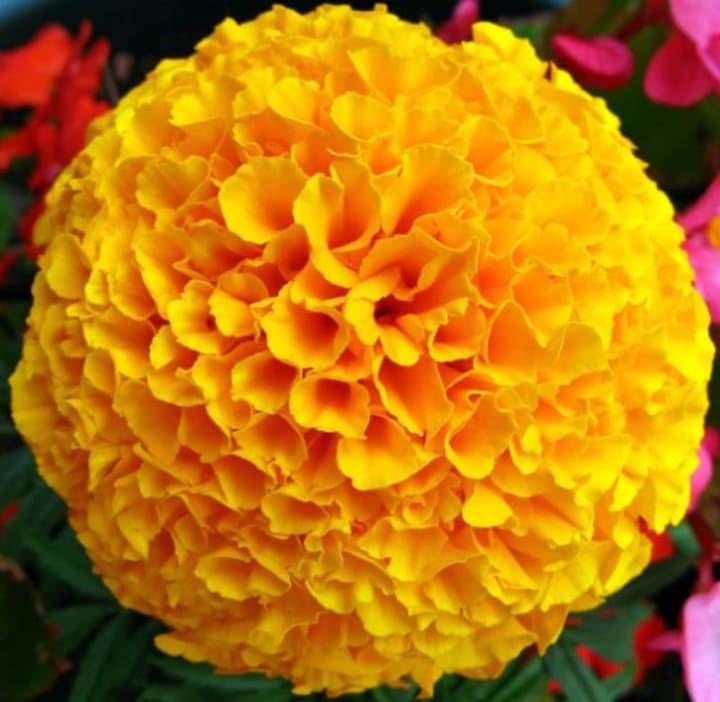
Marigolds are beautiful to look at, but they are also healthy to eat. They contain vitamin C and are beneficial for reducing inflammation and healing injured skin.
The flavors of the petals of some marigolds are spicy, tangy, and peppery. The best tasting is the signet marigold because of its citrus flavor.
Marigolds go well with scrambled eggs, rice, soups, and pasta. Sprinkle marigold petals on top of desserts, especially those that have already been topped with cream cheese, whipped cream, or frosting.
Eat only the petals because the other parts of the flower are not edible.
Nasturtiums
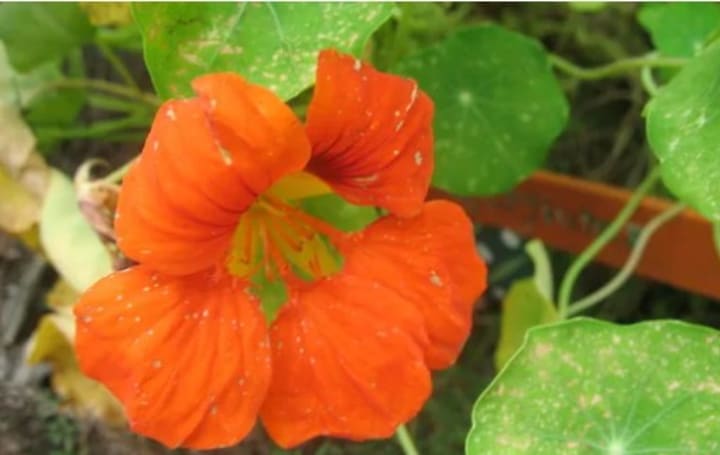
Despite being one of the most widely consumed edible plants with many health advantages, not everyone is familiar with nasturtiums. They are all edible, high in vitamin C, and beneficial for colds, coughs, and sore throats as well as for strengthening the immune system. They also lower the risk of bacterial and fungal infections.
Nasturtiums have a sweet and slightly spicy flavor similar to watercress. They can be eaten whole, used in salads, wraps, dips, chili, guacamole, pizza, spaghetti sauce, pasta, and other dishes. Whether you eat them or not, use the pretty blossoms as a garnish in dishes and beverages.
Pansies
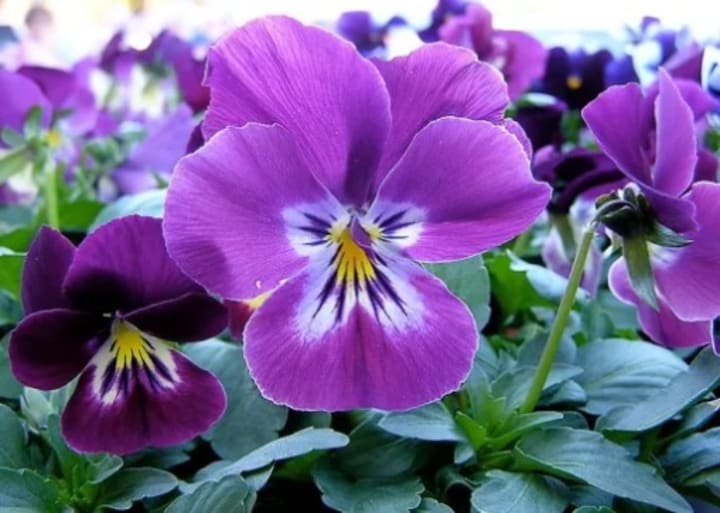
All parts of pansies are good to eat. They are high in potassium and other minerals. Eat them for a healthy heart, kidneys, and a good blood pressure rate.
Pansies are excellent to be used as garnishes in vegetable salads, fruit salads, soups, and even in desserts and beverages.
Roses
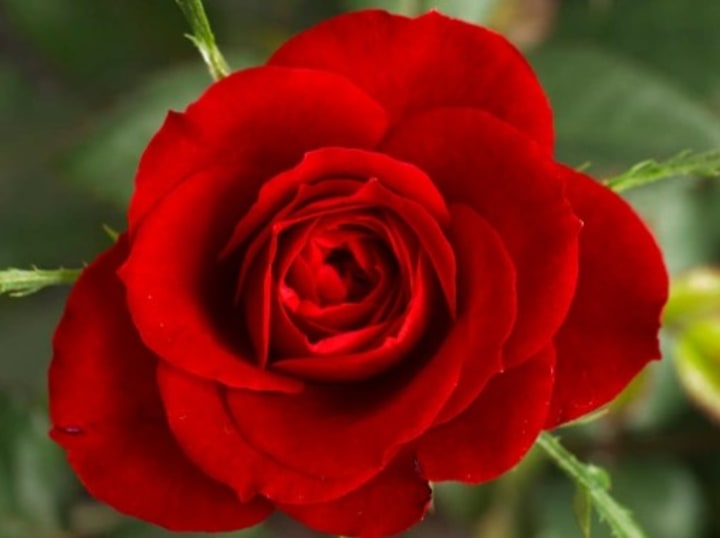
Roses are very popular flowers. They come in several colors: red, pink, yellow, purple, and orange. All roses are edible, no matter what color they are. The darker the rose, the more pronounced the flavor. Roses are very high in vitamin C.
Rose blossoms can be used in many main dishes, including pasta, soup, stew, jams, jelly, homemade bread, and muffins. Roses are beautiful garnishes on desserts and in beverages.
According to researchers, consuming roses could help with diabetes and heart disease. Use rose petals to make jam, syrup, and salad dressing. Also, enhance your tea and other beverages with rose petals.
Eat only the petals, but never eat the white, bitter base of roses.
Sunflowers
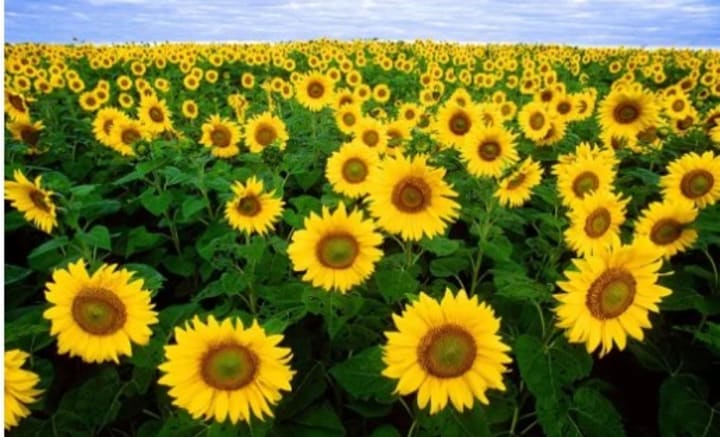
Many people eat sunflower seeds as a snack. They are a good source of protein and vitamins. So, why stop at eating only the seeds? You can and should eat the flower for the same reasons. Like the seeds, sunflower blossoms taste like mild artichokes.
Violets
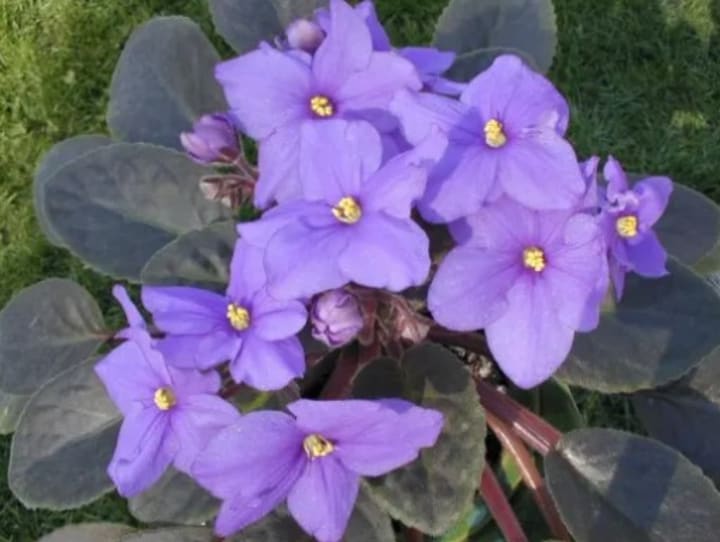
Violet flowers and leaves contain vitamin C, beta-carotene, and other phytochemicals. They have anti-fungal, anti-inflammatory, and antiseptic properties. Sweet violets have been used for thousands of years in salads and as garnishes for desserts. They can be made into jelly, vinegar, and fermented into a sweet wine. Freeze violets into ice cubes and put use them as decoration in beverages.
African violets are not true violets and no parts of them should be eaten.
Warnings
- Buy only flowers you are absolutely sure they are 100 percent safe to eat.
- Purchase flowers from organic farms and organic grocery stores.
- Grow flowers that are safe to eat in your own garden.
- Do now eat or decorate with wild flowers that grow along roads or in public parks.
- Do not eat flowers purchased from florists or garden centers because they have probably been treated with pesticides.
- To be on the safe side, eat flowers you have selected yourself instead of using those you receive as a gift. The giver might not have been as careful as you would be yourself.
Author's Note
According to my research, this content is accurate and true, even though it is unique. It should not be used in place of official, customized advice from a qualified professional.
About the Creator
Margaret Minnicks
Margaret Minnicks has a bachelor's degree in English. She is an ordained minister with two master's degrees in theology and Christian education. She has been an online writer for over 15 years. Thanks for reading and sending TIPS her way.
Keep reading
More stories from Margaret Minnicks and writers in Humans and other communities.
Surprising Health Benefits of Owning a Pet
According to the World Atlas, dogs are the most popular pet in the United States, with over 48 million households owning a dog. Cats are ranked as the second most popular pet in the United States, with nearly 32 million households owning one.
By Margaret Minnicks17 days ago in Humans



Comments (1)
I love to eat rose petals, can’t resist Nasturtiums and will often pick at the tiny flowers of our Rosemary bushes which have a similar flavour to the herb but sweeter. Thanks for these other suggestions which I will certainly try