
Feel Your Best: Simple Habits for a Healthier, Happier You
Feel Your Best: Simple Habits for a Healthier, Happier You

Do you want to feel your best every day? Making small changes to your daily habits can have a big impact on your physical and mental well-being. Here are some simple habits you can adopt to improve your health and happiness.
Getting enough sleep

Getting enough sleep is a vital part of a healthy lifestyle. Adequate sleep is essential for both physical and mental well-being, and it is essential for our body to function properly. Sleep is a natural process that our body needs to recharge and rejuvenate.
Most adults need between 7-9 hours of sleep per night. Children and teenagers need even more sleep, with newborns requiring around 14-17 hours of sleep daily. When we sleep, our body uses this time to repair, restore, and rejuvenate.
Getting enough sleep can have numerous benefits for your health. It can help to improve your memory and cognitive function, boost your mood, reduce stress, and improve your overall energy levels. It also helps your body to regulate its hormones, including those that affect your appetite, metabolism, and stress levels.
On the other hand, not getting enough sleep can have significant negative effects on your health. It can lead to daytime fatigue, decreased energy levels, irritability, and trouble concentrating. It can also have long-term health effects, including a weakened immune system, an increased risk of heart disease and stroke, and even depression.
To get enough sleep, it's essential to establish a regular sleep routine. This means going to bed and waking up at the same time every day, even on weekends. Avoiding caffeine and alcohol before bed can also help, as can limiting the use of electronic devices before bedtime.
If you struggle to get enough sleep, there are several things you can do to improve your sleep quality. For example, creating a sleep-friendly environment, such as a cool, dark, and quiet room, can help. Other sleep-promoting habits include meditation, deep breathing, and stretching.
In conclusion, getting enough sleep is essential for maintaining good health. By prioritizing good sleep habits, you can improve your overall well-being and increase your chances of living a healthy and happy life.
Move your body

One of the most important aspects of leading a healthy lifestyle is physical activity. Our bodies were designed to move, and when we don't give them the exercise they need, we can suffer from a variety of negative health consequences.
Moving your body can come in many different forms, from traditional exercise like running or weightlifting to more fun and creative activities like dancing, hiking, or even playing a sport. The key is finding something that you enjoy and can make a regular part of your routine.
There are many benefits to moving your body regularly. Physical activity can help you maintain a healthy weight, reduce your risk of chronic diseases like heart disease and diabetes, and even improve your mental health by reducing stress and anxiety. Regular exercise can also improve your energy levels and help you sleep better at night.
Experts recommend getting at least 150 minutes of moderate-intensity aerobic exercise per week, along with muscle-strengthening activities at least two days a week. This can be broken up into smaller chunks throughout the day, like taking a brisk walk during your lunch break or doing a short workout video in the morning.
Of course, it's important to listen to your body and not overdo it. If you're new to exercise or have any health concerns, it's always a good idea to talk to your doctor before starting a new workout routine.
Overall, moving your body regularly is one of the best things you can do for your physical and mental health. So go ahead and find an activity you enjoy, and make it a regular part of your routine!
Eat a Balanced Diet
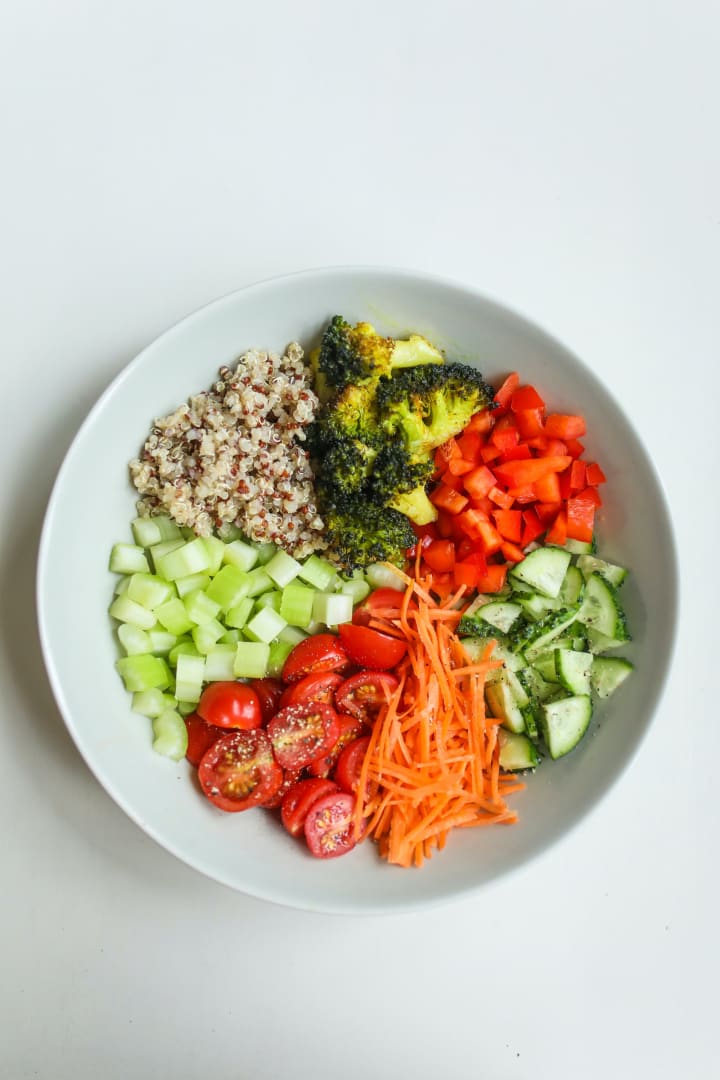
Eating a balanced diet is one of the most important habits for maintaining good health. It involves consuming a variety of foods from different food groups to ensure that your body is getting all the nutrients it needs to function properly.
A balanced diet typically includes a mix of fruits, vegetables, whole grains, lean proteins, and healthy fats. Each of these food groups provides important nutrients that are essential for optimal health.
Fruits and vegetables are a rich source of vitamins, minerals, and fiber. Whole grains provide carbohydrates for energy and also contain fiber, B vitamins, and other nutrients. Lean proteins, such as chicken, fish, tofu, and legumes, provide the building blocks for muscle and tissue repair. Healthy fats, such as those found in nuts, seeds, avocados, and fatty fish, are important for brain function and cardiovascular health.
To eat a balanced diet, it's important to pay attention to portion sizes and choose foods that are nutrient-dense rather than high in calories. Avoid highly processed and sugary foods, as they can lead to weight gain and other health problems.
Incorporating a variety of foods into your diet can help ensure that you are getting all the nutrients you need to feel your best. It's also important to stay hydrated by drinking plenty of water throughout the day. By eating a balanced diet, you can support your overall health and well-being.
Manage Stress

Managing stress is an important aspect of maintaining a healthy lifestyle. Stress can impact our mental, emotional, and physical health, and it can even increase the risk of developing chronic diseases.
There are many ways to manage stress, and what works for one person may not work for another. Here are some strategies that can be helpful:
- Exercise: Physical activity can help reduce stress by releasing endorphins, which are natural chemicals that improve mood and decrease pain. Exercise can also distract from stressors and provide a sense of accomplishment.
- Meditation and mindfulness: Practicing meditation and mindfulness can help manage stress by improving awareness of the present moment and reducing racing thoughts. These practices can be as simple as focusing on your breath for a few minutes a day.
- Time management: Poor time management can lead to stress and anxiety, so it's important to prioritize tasks and delegate when possible. This can help prevent feeling overwhelmed and create a sense of control.
- Social support: Talking to friends and family can provide a sense of connection and support during stressful times. This can be especially important for those who may feel isolated or alone.
- Self-care: Taking care of oneself can help manage stress by promoting relaxation and reducing burnout. This can include activities such as taking a bath, reading a book, or practicing a hobby.
It's important to recognize when stress is becoming overwhelming and to seek professional help if needed. A mental health professional can provide additional guidance and support to manage stress and improve overall well-being.
Stay Connected

Staying connected to other people is an essential aspect of maintaining good mental and emotional health. Humans are social creatures, and having meaningful relationships with others is crucial for our well-being. It's easy to become isolated, especially in our modern world, where many of us spend long hours at work and rely on technology to communicate with others.
Stressful life events, such as the loss of a loved one or a job, can also lead to feelings of loneliness and isolation. While it's natural to want to withdraw from the world during difficult times, staying connected to others can provide a vital source of support and comfort.
Maintaining a strong social network doesn't necessarily mean having dozens of friends or being the life of the party. It's about having a few close relationships with people you trust and who make you feel good about yourself. It's important to make time for the people in your life who matter most to you, whether that means calling a friend, meeting for lunch, or sending a text.
Connecting with others can also take many forms. Some people find solace in religious or spiritual communities, while others find meaning in volunteering or participating in group activities, such as team sports or book clubs. The important thing is to find what works for you and to make it a regular part of your life.
Research shows that people who stay connected to others are happier, healthier, and more resilient. Social support can help reduce stress, lower the risk of depression and anxiety, and even improve physical health. So if you're feeling lonely or isolated, don't be afraid to reach out to others. There are many ways to stay connected and build meaningful relationships, and the benefits are well worth the effort.
By incorporating these simple habits into your daily routine, you can feel your best and enjoy a healthier, happier life. Remember, small changes can add up to big results over time. So start today and take the first step towards a healthier you!
About the Creator
Tolga Bozdağ
I am an amateur writer and I share articles about topics that interest me. I hope you enjoy reading it.
Keep reading
More stories from Tolga Bozdağ and writers in Humans and other communities.
Celebrating Love: A Guide to Valentine's Day
Valentine's Day is a holiday that has been celebrated for centuries and is traditionally associated with love, romance, and relationships. Each year, on February 14th, couples around the world exchange gifts, cards, and spend quality time together. In this article, we'll explore the history and traditions of Valentine's Day, as well as some ideas for how to celebrate this special day with your loved one.
By Tolga Bozdağ3 years ago in Humans
Silver Screen Magic with Mae West
American actress and singer Mae West became a popular film actress during the Great Depression. She started entertaining in vaudeville, then performed on Broadway, and finally went to Hollywood. She signed up with Paramount Pictures and made her debut in the 1932 film “Night After Night.” She also starred in musicals, comedies, and crime dramas. The American Film Institute named her one of the best classic Hollywood actresses.
By Rasma Raisters6 days ago in Geeks



Comments
There are no comments for this story
Be the first to respond and start the conversation.