
Exploring Primatology:
Understanding Our Closest Relatives in the Animal Kingdom


Primatology, the study of non-human primates, offers invaluable insights into the behavior, cognition, and social dynamics of our closest relatives in the animal kingdom. In this exploration, we delve into the fascinating world of primates, uncovering the complexities of their lives and the significance of primatology in understanding our own evolutionary heritage.
Understanding Non-Human Primates: Our Closest Relatives
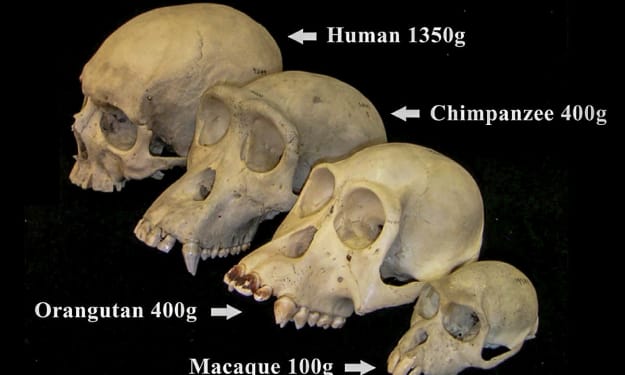
Non-human primates, which include species such as chimpanzees, gorillas, bonobos, and orangutans, share a common ancestry with humans, making them valuable subjects for scientific study. By observing and studying primates in their natural habitats, researchers can gain insights into the evolutionary origins of human behavior, sociality, and cognition.
Key Areas of Study in Primatology
Primatology encompasses a wide range of disciplines and research areas, including:
Behavioral Ecology: Behavioral ecologists study the behavior of non-human primates in their natural habitats, focusing on topics such as feeding ecology, social organization, mating strategies, and territorial behavior. By understanding how primates interact with their environment and each other, researchers can gain insights into the adaptive significance of primate behavior.
Cognitive Psychology: Cognitive psychologists investigate the cognitive abilities of non-human primates, such as problem-solving, tool use, communication, and social learning. By conducting experiments and observational studies, researchers can explore the cognitive processes underlying primate behavior and compare them to those of humans.
Social Dynamics: Primatologists study the social organization, hierarchy, and dynamics of non-human primate groups, examining patterns of cooperation, competition, aggression, and reconciliation. By analyzing social interactions and relationships, researchers can unravel the complexities of primate societies and the factors that shape social behavior.
Techniques and Methods in Primatology
Primatologists employ a variety of techniques and methods to study non-human primates, including:
Field Observation: Field observers spend extended periods in the natural habitats of non-human primates, documenting their behavior, ecology, and social dynamics. Field observations provide valuable insights into primate behavior in their natural environment and allow researchers to study long-term patterns and trends.
Behavioral Experiments: Behavioral experiments involve presenting non-human primates with tasks or challenges to assess their cognitive abilities, problem-solving skills, and social behaviors. Experimental studies help researchers test hypotheses and explore specific aspects of primate behavior in controlled settings.
Genetic Analysis: Genetic analysis involves collecting DNA samples from non-human primates to study their genetic diversity, relatedness, and evolutionary history. By analyzing genetic data, researchers can reconstruct primate phylogenies, track population dynamics, and investigate patterns of gene flow and adaptation.
The Significance of Primatology
Primatology has profound implications for our understanding of human evolution, behavior, and conservation. By studying non-human primates, researchers can gain insights into the evolutionary origins of human traits and behaviors, such as tool use, language development, and social cooperation. Moreover, primatology informs conservation efforts aimed at protecting endangered primate species and their habitats, highlighting the interconnectedness of human and non-human primate welfare.
Challenges and Controversies in Primatology
Despite its many benefits, primatology faces challenges and controversies, including ethical considerations related to the treatment and welfare of non-human primates in research and conservation efforts. Moreover, the destruction of primate habitats, poaching, and the illegal wildlife trade threaten the survival of many primate species, underscoring the urgency of conservation initiatives and sustainable development practices.
Conclusion: Honoring Our Primate Relatives
In conclusion, primatology offers a unique window into the lives, behaviors, and social dynamics of our primate relatives. By studying non-human primates, researchers can gain insights into the evolutionary origins of human traits and behaviors, deepening our understanding of our own species' place in the natural world. As we navigate the complexities of primatology, it's essential to approach our primate relatives with respect, empathy, and a commitment to their conservation and welfare. By honoring and protecting our primate relatives, we uphold our shared evolutionary heritage and ensure a sustainable future for all species on our planet.
About the Creator
Mohamed Ali
Mohamed Ali is a passionate writer and researcher with a keen interest in exploring the complexities of human behavior and society through the lens of sociology. With a background in sociology and psychology.
Keep reading
More stories from Mohamed Ali and writers in Humans and other communities.
Unraveling the Mysteries of Human Evolution:
Human evolution and paleoanthropology offer captivating insights into our species' origins, development, and adaptation over millions of years. In this exploration, we delve into the fascinating world of human evolution, uncovering the mysteries of our ancient ancestors and the forces that shaped the course of our evolutionary history.
By Mohamed Ali2 years ago in Humans
How to Learn to Cook Regional Cuisine.
Regional cuisine reflects the history, climate, agriculture, and traditions of a place. Every region develops unique flavors, cooking techniques, and ingredients shaped by local culture. Learning to cook regional dishes allows you to experience the identity of a community through food.
By Wilson Igbasi5 days ago in Humans
Early March 2026: 4 Goals Accomplished
It's early March and I've now accomplished my 4th writing goal for the year of 2026. Before diving into the behind-the-scenes of it... why not tell you up front what that accomplishment was? I was published in a 2nd publication for this year. Published in Helix Literary Magazine out of Central Connecticut State University. You can read it for free right now!
By Stephen Kramer Avitabile4 days ago in Writers



Comments
There are no comments for this story
Be the first to respond and start the conversation.