
Unraveling the Mysteries of Human Evolution:
A Journey Through Paleontology

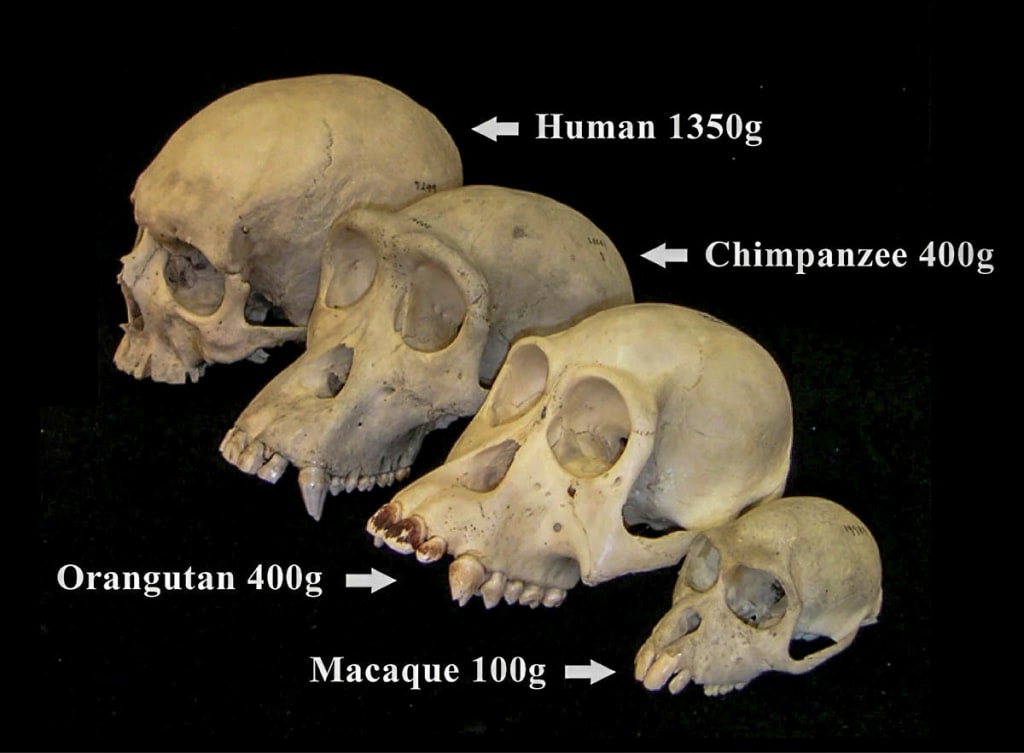
Human evolution and paleoanthropology offer captivating insights into our species' origins, development, and adaptation over millions of years. In this exploration, we delve into the fascinating world of human evolution, uncovering the mysteries of our ancient ancestors and the forces that shaped the course of our evolutionary history.
Understanding Human Evolution: The Story of Us
Human evolution is the process by which our species, Homo sapiens, emerged and diversified from earlier hominins, our ape-like ancestors. Over millions of years, a series of evolutionary changes, driven by genetic mutations, environmental pressures, and behavioral innovations, led to the emergence of modern humans with our distinctive anatomical, cognitive, and cultural characteristics.
The Fossil Record: Clues from the Past
Paleoanthropology, the study of ancient humans and their ancestors, relies on the fossil record to reconstruct the evolutionary history of our species. Fossils, including skeletal remains, footprints, and stone tools, provide crucial clues about the morphology, behavior, and ecology of our extinct relatives, allowing scientists to piece together the puzzle of human evolution.
Key Milestones in Human Evolution
Australopithecines: The earliest members of the human lineage, Australopithecus species, lived in Africa between 4 and 2 million years ago. Australopithecines, such as Australopithecus afarensis (famously known as "Lucy"), had a combination of ape-like and human-like features and likely walked upright on two legs.
Genus Homo: The genus Homo, which includes modern humans and our close relatives, first appeared around 2.5 million years ago. Early members of Homo, such as Homo habilis and Homo erectus, were characterized by larger brains, more sophisticated stone tool technologies, and adaptations for long-distance travel and endurance.
Archaic Humans: Archaic humans, such as Homo heidelbergensis and Homo neanderthalensis, lived in Europe and Asia between 600,000 and 30,000 years ago. These hominins exhibited complex social behaviors, including symbolic expression, burial practices, and tool manufacture, suggesting cognitive and cultural sophistication.
Modern Humans: Homo sapiens, our species, emerged in Africa around 300,000 years ago and subsequently spread across the globe, replacing or interbreeding with archaic human populations. Modern humans exhibited unique adaptations for language, art, and complex social organization, leading to the development of diverse cultures and civilizations.
Theories of Human Evolution
Scientists use various theoretical frameworks, such as natural selection, genetic drift, and gene flow, to explain the mechanisms driving human evolution. Natural selection, proposed by Charles Darwin, posits that advantageous traits are more likely to be passed on to future generations, leading to evolutionary change over time. Other factors, such as genetic drift (random changes in gene frequencies) and gene flow (the exchange of genetic material between populations), also play significant roles in shaping genetic diversity and evolutionary trajectories.
Implications of Human Evolution
Understanding human evolution has profound implications for our understanding of biology, behavior, and society. By studying our evolutionary past, scientists can gain insights into human health, disease susceptibility, and the origins of traits such as language, cognition, and culture. Moreover, paleoanthropology sheds light on the interconnectedness of all life on Earth and the processes that have shaped the diversity of life over billions of years.
Challenges and Controversies in Paleontology
Despite the wealth of evidence and knowledge accumulated through paleoanthropology, the field is not without its challenges and controversies. Interpretations of fossil evidence can be subjective, leading to debates and disagreements among researchers about the relationships between different hominin species and the significance of specific fossil finds. Moreover, ethical considerations, such as the responsible excavation and preservation of fossil sites and the respectful treatment of human remains, are paramount in the field of paleoanthropology.
Conclusion: The Ever-Unfolding Story of Human Evolution
In conclusion, human evolution and paleoanthropology offer a fascinating glimpse into our species' remarkable journey from our ancient ancestors to modern humans. Through the painstaking analysis of fossil remains, archaeological sites, and genetic evidence, scientists continue to uncover new insights into the mysteries of our evolutionary past. As we piece together the puzzle of human evolution, we gain a deeper appreciation for the interconnectedness of life on Earth and our place within the vast tapestry of the cosmos. By embracing the challenges and uncertainties of paleoanthropology with curiosity and humility, we can continue to unravel the ever-unfolding story of human evolution for generations to come.
About the Creator
Mohamed Ali
Mohamed Ali is a passionate writer and researcher with a keen interest in exploring the complexities of human behavior and society through the lens of sociology. With a background in sociology and psychology.
Keep reading
More stories from Mohamed Ali and writers in Humans and other communities.
Exploring Globalization and Cultural Change:
Globalization has transformed the world in profound ways, reshaping economies, societies, and cultures across the globe. In this exploration, we delve into the intricacies of globalization and cultural change, uncovering their significance, complexity, and enduring impact on the human experience.
By Mohamed Ali2 years ago in Humans
Kyrsten Sinema
Kyrsten Sinema is an important American political leader. She worked for many years in the U.S. government and became known for being different from many others in politics. This article uses easy English and clear subtitles to help you understand who she is, where she came from, what she did, and what is happening now with her.
By Farhan Sayed2 days ago in Humans



Comments
There are no comments for this story
Be the first to respond and start the conversation.