
Enhancing Critical Thinking
The Socratic Method

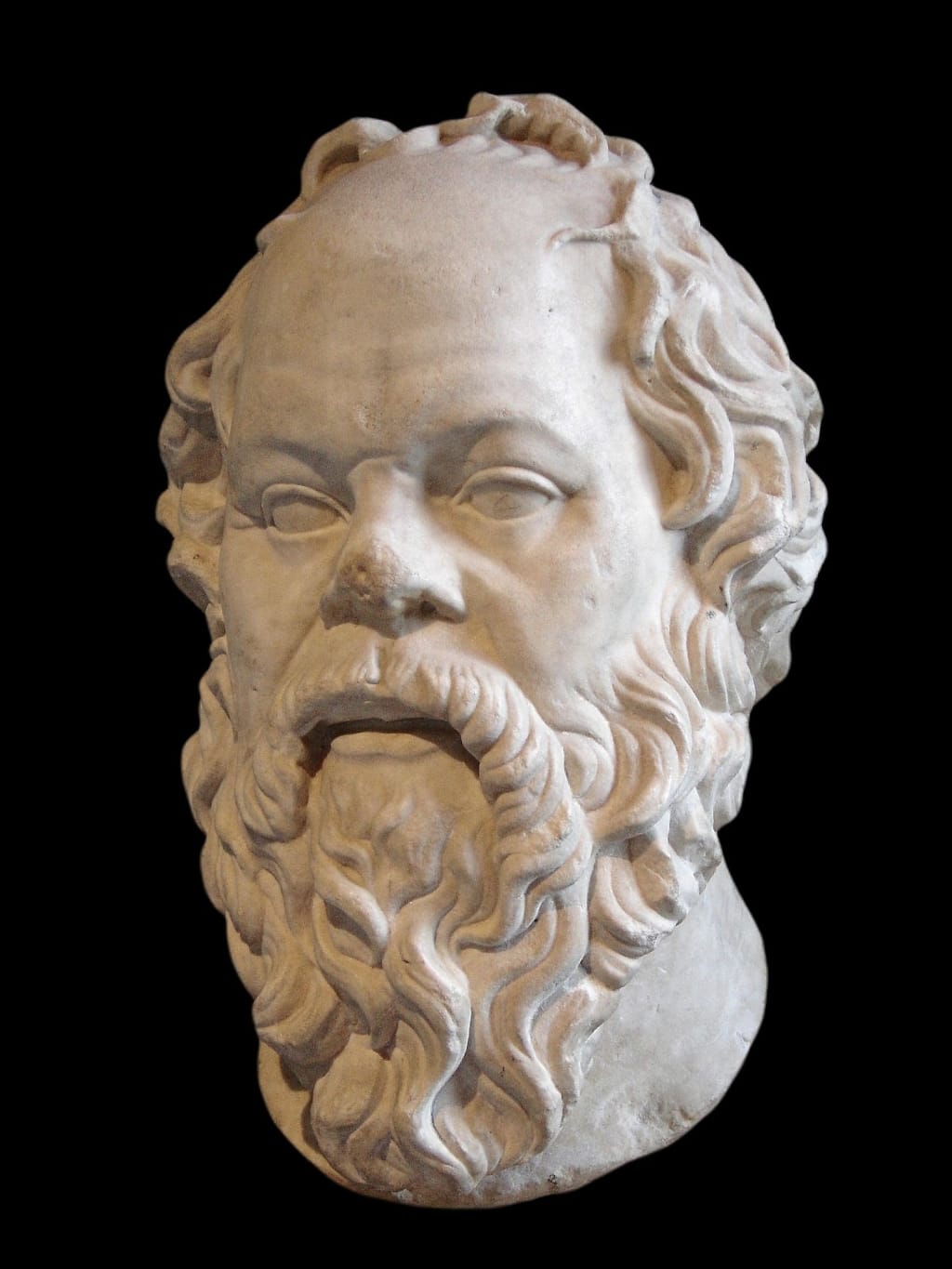
Socrates, a pivotal figure in Western philosophy, was tried and sentenced to death by the Athenian court. The accusations against him included corrupting the youth and neglecting the city’s gods. However, Socrates’ real challenge to his contemporaries wasn’t in professing to have all the answers but in his unrelenting habit of asking questions. This method of inquiry, now known as the Socratic Method, remains a powerful tool for developing critical thinking and deeper understanding across various fields.
Socrates’ Approach: The Power of Questions
Socrates was renowned for his unconventional approach to learning and teaching. Instead of delivering formal lectures, he engaged in dialogues characterized by probing questions. His technique was not about debating or giving direct answers but about challenging the assumptions and beliefs of his interlocutors through relentless inquiry. Socrates famously claimed, "I know that I know nothing," a statement that underlined his belief that true wisdom lies in recognizing one’s own ignorance.
Consider Socrates' dialogue with a young man named Euthydemus, who was confident in his understanding of justice. Socrates challenged him by asking whether actions like lying and theft could ever be considered just. Euthydemus initially answered that these actions were inherently unjust. However, Socrates’ probing questions about whether such actions could be justified in specific contexts—such as warfare or boosting troop morale—forced Euthydemus to reconsider his stance. This method revealed the complexity of justice and highlighted the limitations of his initial beliefs.
Historical Applications of the Socratic Method
The Socratic Method has proven valuable across various domains throughout history:
• Clinical Medicine: During the Renaissance, the Socratic Method was adapted for teaching clinical diagnosis. Medical students would present their diagnostic reasoning, and experienced doctors would question their assumptions, leading to refined diagnostic skills and a deeper understanding of medical practice. This approach helped students develop critical thinking skills essential for accurate diagnosis and patient care.
• Sciences: In fields such as astronomy, botany, and mathematics, Socratic questioning facilitated deeper exploration and understanding. By encouraging scientists to challenge their assumptions and consider alternative explanations, the method contributed to significant advancements and discoveries in these disciplines.
• Faith and Theology: Following the Protestant Reformation, the Socratic Method was employed to explore complex theological questions. This approach helped theologians and scholars critically examine and articulate their beliefs, leading to a more nuanced understanding of faith and religious doctrines.
• Legal Education: In the 19th century, the Socratic Method became integral to American legal education. Law professors used it to challenge students with hypothetical scenarios, prompting them to explore judicial reasoning and consider the broader implications of legal principles. This method remains a cornerstone of legal education, helping students and practitioners develop critical analytical skills.
The Method in Practice: Teaching and Learning
The success of the Socratic Method hinges on the skill of the educator. An effective Socratic teacher must be well-versed in their subject, possess genuine curiosity, and create a supportive environment for inquiry. Rather than showcasing intellectual superiority, a Socratic educator fosters exploration and encourages students to develop their own understanding through thoughtful questioning.
Despite his contributions, Socrates himself was often viewed as subversive. His critique of Athenian democracy and the perceived implications of his teachings led to his trial and execution. His philosophical inquiries, though, were driven by a desire for greater understanding rather than political motives. The Socratic Method, as a legacy of his approach, continues to inspire and challenge thinkers across various fields.
Contemporary Relevance
Today, the Socratic Method remains relevant in numerous contexts. In education, it is used to develop students' critical thinking skills and encourage deeper understanding of complex subjects. In legal practice, it helps professionals anticipate the impacts of legal decisions and refine their reasoning. In personal development, it aids individuals in examining their beliefs and assumptions, fostering greater self-awareness and clarity.
The Socratic Method’s emphasis on questioning and critical examination makes it a versatile tool for intellectual growth. It encourages individuals to move beyond superficial answers and engage in deeper exploration of ideas. By fostering a mindset of curiosity and skepticism, the method helps navigate the complexities of knowledge and decision-making.
Closing
The Socratic Method is more than a historical curiosity; it is a dynamic and enduring approach to critical thinking and learning. Through its emphasis on questioning and challenging assumptions, it provides a framework for deeper understanding and intellectual development. Whether applied in education, science, law, or personal reflection, the Socratic Method remains a valuable technique for uncovering insights and achieving clarity. Socrates’ legacy, embodied in this method, continues to influence and enrich the pursuit of knowledge across various domains.
About the Creator
Horace Wasland
Research analyst, writer & mystical healer. Exploring the edge where science meets mystery. From mystery/the mystical, to facts, news & psychology. Follow for weekly insights on all four and please leave a tip if you like what you read :)
Keep reading
More stories from Horace Wasland and writers in Humans and other communities.
Beyond the Iceberg
1. Improvised Scenes: One of the most memorable scenes in "Titanic" is when Rose thanks Jack for saving her life and they spit off the boat. Remarkably, this scene was largely improvised, including the spitting part. Kate Winslet, who played Rose, suggested the change from the original script where Rose pricks Cal with a hairpin. Director James Cameron agreed that Winslet’s idea was more dramatic. Billy Zane, who portrayed Cal, recalled that being spat on repeatedly became so routine he became numb to it. After countless takes, Winslet’s saliva dried out, and she had to use lubricant to continue. This improvisation added a layer of authenticity to the characters’ interactions, showcasing Winslet and Leonardo DiCaprio’s ability to adapt and bring depth to their performances, ultimately enhancing the film’s emotional impact.
By Horace Waslandabout a year ago in Humans
She Left Me For A Rich Guy, Look How She Turned Out
I sat back and watched you this weekend. I saw the photos. I saw the smiles. I saw the man you chose over the empire we were building. And for the first time in three years, I didn’t feel a sting of jealousy. I felt a cold, hard sense of irony.
By Nanu Nnabuife4 days ago in Humans




Comments
There are no comments for this story
Be the first to respond and start the conversation.