
Beyond the Iceberg
30 Facts You Didn't Know About Titanic

1. Improvised Scenes: One of the most memorable scenes in "Titanic" is when Rose thanks Jack for saving her life and they spit off the boat. Remarkably, this scene was largely improvised, including the spitting part. Kate Winslet, who played Rose, suggested the change from the original script where Rose pricks Cal with a hairpin. Director James Cameron agreed that Winslet’s idea was more dramatic. Billy Zane, who portrayed Cal, recalled that being spat on repeatedly became so routine he became numb to it. After countless takes, Winslet’s saliva dried out, and she had to use lubricant to continue. This improvisation added a layer of authenticity to the characters’ interactions, showcasing Winslet and Leonardo DiCaprio’s ability to adapt and bring depth to their performances, ultimately enhancing the film’s emotional impact.
2. Initial Failure Expectations: "Titanic" was initially expected to be a massive failure, including by its own director, James Cameron. The film's budget started at $100 million but soared to over $200 million due to costly delays and production challenges, making it the most expensive film ever made at the time. Cameron famously stated that they labored in the last six months knowing the studio would lose $100 million, a certainty in their minds. However, the film defied these expectations spectacularly. Not only did it become the first film to gross over a billion dollars, but it also set a new standard in filmmaking. The enormous financial risk paid off, proving Cameron’s vision and the cast’s dedication could overcome the seemingly insurmountable odds, turning what was feared to be a colossal flop into one of the most iconic and successful films in cinematic history.
3. Historical Recreations: "Titanic" is renowned for its meticulous attention to historical detail. Many of the film's shots are faithful recreations of both photographs taken in 1912 and paintings by Ken Marshall, a Titanic historian and artist who served as a consultant on the movie. Several scenes were based on photos taken while the Titanic was still at port, providing an authentic backdrop. Marshall’s paintings, which depicted various moments of the Titanic’s journey, were meticulously recreated, ensuring historical accuracy. For instance, the scene with the boy and his spinning top is based on a real photograph dated April 11, 1912, taken by Jesuit priest Francis Brown. Brown’s photograph was preserved because he disembarked before the Titanic's fateful voyage. These efforts to incorporate real historical elements into the film underscore James Cameron’s commitment to creating an immersive and historically accurate depiction of the tragic event, enhancing the film’s emotional resonance and educational value.
4. First Scene Filmed: The very first scene filmed between Leonardo DiCaprio and Kate Winslet for "Titanic" involved one of the most intimate moments: Rose posing nude for Jack to draw her. This scene was particularly challenging as it required a high level of comfort and trust between the actors, who had barely gotten to know each other at that point. To break the ice, Winslet surprised DiCaprio by flashing him, catching him completely off guard. This spontaneous act helped ease the tension, allowing them to perform the scene more naturally. The decision to start with such a significant and revealing moment set the tone for the intense and emotionally charged performances that would follow. This approach also showcased Winslet and DiCaprio’s professionalism and willingness to dive into their roles wholeheartedly, establishing the chemistry that would captivate audiences and contribute to the film's enduring legacy.
5. Strauss Couple: One of the most poignant scenes in "Titanic" features an elderly couple lying in bed, accepting their fate as the ship sinks. This couple was based on Isidor and Ida Straus, co-owners of Macy’s department store, who perished together on the Titanic. A deleted scene provides more context, showing Ida refusing to leave her husband and Isidor declining a lifeboat seat, insisting that as long as women and children were still on board, he would not take a spot. Eyewitnesses reported Ida saying, “As we have lived, so will we die, together,” before giving her maid her fur coat and insisting she take a lifeboat. The couple was last seen holding hands on the deck. This portrayal adds a layer of historical accuracy and emotional depth to the film, highlighting the personal sacrifices and love stories amidst the tragedy, making the film’s depiction of the disaster even more heart-wrenching.
6. Chief Baker Charles Joughin: The character of Chief Baker Charles Joughin, seen taking a swig from a liquor bottle as the Titanic sinks, is based on a real person. In reality, Joughin was the ship’s Chief Baker, and he did indeed have a drink as the ship was going down. Known for being the last survivor to leave the Titanic, Joughin rode the ship down like an elevator, holding onto the safety rails. Remarkably, he survived by treading water for over two hours before being rescued by a lifeboat. He credited his survival to the alcohol he consumed, which he believed kept him warm. This extraordinary survival story added a fascinating layer to the film’s portrayal of the disaster. By including such historical figures and their real-life actions, James Cameron enhanced the authenticity of the film, providing viewers with a deeper connection to the events and the people who lived through them.
7. One-Take Grand Staircase Scene: The scene of water crashing down the grand staircase in "Titanic" was a one-take wonder. Due to the complexity and scale of the set, this crucial scene needed to be filmed perfectly in one take. The grand staircase, a pivotal part of the Titanic's interior, was meticulously recreated for the film. Once the water was released, the set would be virtually destroyed, making it impossible to reset for another take. Fortunately, the cast and crew managed to capture the scene perfectly on the first try. This remarkable feat underscored the careful planning and precise execution required in filmmaking, especially for such a high-stakes moment. The successful filming of this scene added to the film’s dramatic intensity and realism, showcasing the immense effort and dedication of everyone involved in bringing the Titanic’s tragic story to life.
8. Lobster Chowder Incident: One of the most bizarre stories from the set of "Titanic" involves a night when the crew broke for dinner and many consumed lobster chowder. Shortly after, over 60 people fell ill, experiencing symptoms ranging from laughter and crying to vomiting. Bill Paxton, who played Brock Lovett, described the chaos that ensued, with people in wheelchairs racing down hospital hallways and crew members forming a conga line. James Cameron himself was reportedly stabbed in the face with a pen. It was later discovered that the chowder had been spiked with PCP, leading to a police investigation that lasted two and a half years but never identified the culprit. This incident became one of the most bizarre and infamous episodes in the film's production history, highlighting the unexpected challenges and surreal moments that can occur behind the scenes of a major motion picture.
9. James Cameron’s On-Set Persona: James Cameron earned a reputation as the “scariest man in Hollywood” during the filming of "Titanic." Known for his intense perfectionism, Cameron had no qualms about yelling at crew members for mistakes and was often perceived as stubborn and demanding. The crew even nicknamed his tough alter ego “Midge” (Jim spelled backward). Despite his harsh methods, Cameron’s meticulous approach contributed to the film’s success, ensuring that every detail met his high standards. Reports suggest that Cameron has mellowed over the years, becoming less temperamental on set, much to the relief of those working on his later projects, such as the "Avatar" sequels. This evolution in his directing style reflects a broader trend in the film industry towards more collaborative and supportive environments. However, the stories of his intense directorial methods on "Titanic" remain legendary, illustrating the lengths he was willing to go to achieve cinematic excellence.
10. James Cameron’s Multifaceted Role: James Cameron wore many hats in the making of "Titanic." Besides directing, he wrote the script, produced the film, and even shared in the editing responsibilities. His hands-on approach extended to the artistic elements as well, with Cameron himself drawing Jack’s sketches. This level of involvement is rare and speaks to Cameron’s commitment to his vision. The famous scene where Jack sketches Rose was not performed by Leonardo DiCaprio but by Cameron, whose hand is shown in close-up. This personal touch added authenticity to the scene, blending the director’s artistic skills with his filmmaking prowess. Cameron’s multifaceted involvement ensured a cohesive and unified vision throughout the film, contributing significantly to its success. His ability to juggle multiple roles and maintain a high standard of quality is a testament to his talent and dedication, making "Titanic" not just a film, but a masterpiece of collaborative artistry.
11. Jack Dawson’s Tombstone: The character of Jack Dawson, played by Leonardo DiCaprio, is fictional, but there was a real J. Dawson on the Titanic. Joseph Dawson, a coal trimmer, died in the sinking. After the film's release, fans discovered his tombstone and began visiting it, leaving flowers and tributes, believing it to be a connection to the character. Although Joseph and Jack shared a surname and initials, their lives were vastly different. This phenomenon highlights the impact of cinema on popular culture and how fictional stories can blur the lines with reality, creating lasting emotional connections. The attention given to Joseph Dawson’s grave illustrates the power of storytelling in humanizing historical events and the deep resonance "Titanic" had with audiences worldwide. It’s a testament to the film’s ability to evoke strong emotional responses, leading people to honor a real-life individual they felt connected to through the character of Jack.
12. Winslet’s Earrings: Kate Winslet kept a pair of earrings from her character Rose as a memento from the "Titanic" set. However, she lost one of them shortly after filming. Winslet’s decision to keep the earrings reflects the sentimental value actors often place on props and costumes from their significant roles. The earrings symbolized her journey and the emotional connection she formed with the character of Rose. Losing one earring added a layer of personal loss to the story, mirroring the themes of love and loss in the film. Winslet’s attachment to the earrings underscores the impact "Titanic" had on her, both professionally and personally. The film not only elevated her career but also left her with lasting memories and connections to the character she portrayed. Such keepsakes serve as tangible reminders of the experiences and emotions involved in bringing a story to life on screen.
13. Replica Ship: To authentically depict the Titanic, a 90% scale replica of the ship was constructed for the film. This massive undertaking involved painstaking attention to detail, from the lifeboats to the deck railings. The replica was built in a specially constructed tank in Baja, Mexico, where the filmmakers could control water levels and simulate ocean conditions. The scale and accuracy of the replica allowed for realistic filming of the ship’s exterior scenes. Additionally, images were flipped in post-production to match the historical accuracy of the ship’s departure from Southampton. This dedication to realism extended to the interiors, where sets were designed to mirror the opulence and grandeur of the original Titanic. The replica played a crucial role in immersing audiences in the historical setting, enhancing the film’s visual impact and emotional resonance. The effort put into creating the replica underscores the filmmakers’ commitment to authenticity and historical accuracy.
14. DiCaprio’s Improvised Line: One of Leonardo DiCaprio’s lines in "Titanic" was a happy accident. During the scene where Jack asks Rose to "Lie on that couch," DiCaprio stumbled over his words, originally meant to say, "Lie on that bed." James Cameron liked the natural feel of the mistake and decided to keep it in the film. This unintentional slip added to the authenticity of Jack’s character, portraying him as nervous and overwhelmed in the presence of Rose. Such moments of spontaneity often bring a layer of realism to film performances, making characters more relatable and scenes more memorable. DiCaprio’s ability to stay in character and continue the scene despite the mistake showcases his professionalism and talent. This small but significant moment exemplifies how serendipity in filmmaking can lead to iconic lines and enhance the overall storytelling, contributing to the film’s enduring charm and emotional impact.
15. Exact Timing: James Cameron’s attention to detail extended to the timing of key events in "Titanic." The film’s runtime and specific scenes, such as the iceberg collision, were carefully timed to match the real-life events of the Titanic disaster. The collision with the iceberg occurs 37 seconds into the scene, mirroring the historical account of the iceberg being spotted 37 seconds before the impact. The sinking of the ship also adheres to the actual timeline, unfolding over the same duration it took for the Titanic to sink in 1912. This meticulous synchronization of events enhances the film’s historical accuracy and immerses the audience in the unfolding tragedy. By adhering to the real timeline, Cameron created a sense of urgency and inevitability, making the disaster feel more immediate and poignant. This level of precision in storytelling underscores Cameron’s dedication to authenticity, adding depth and credibility to the film’s portrayal of the historical event.
16. Hypothetical Saving: Research conducted after the Titanic disaster suggests that the ship might have been saved if it had collided head-on with the iceberg instead of attempting to steer around it. By hitting the iceberg head-on, the damage would likely have been confined to the front compartments, which the ship’s bulkheads could have contained. Instead, the glancing blow caused a series of punctures along the starboard side, flooding multiple compartments and sealing the ship’s fate. This hypothetical scenario is based on the design and construction of the Titanic, which was built to withstand a frontal collision. This information adds a layer of tragic irony to the disaster, as the crew’s instinctive attempt to avoid the iceberg inadvertently led to the ship’s sinking. Including this detail in discussions about the Titanic highlights the complexity of maritime disasters and the critical decisions made in moments of crisis, deepening our understanding of the tragedy.
17. Backstories for Extras: James Cameron’s dedication to realism extended to creating backstories for over 150 extras in "Titanic." These extras portrayed passengers and crew members, adding depth and authenticity to the film’s depiction of life on the Titanic. Cameron developed detailed histories and personalities for each character, ranging from their backgrounds and reasons for traveling to their relationships and ultimate fates. This meticulous attention to detail ensured that every scene felt authentic and immersive, as the extras were able to embody their characters more convincingly. For example, the character of Ava Hart, whose father’s last words were depicted accurately, added a layer of emotional depth to the film. By investing in the extras’ performances, Cameron enriched the film’s atmosphere and storytelling, creating a more believable and engaging depiction of the Titanic’s final voyage. This approach underscored the importance of even the smallest roles in contributing to the film’s overall impact and success.
18. Renault Car Scene: The scene where Jack and Rose share an intimate moment in a car on the Titanic’s cargo deck features a historically accurate 1912 Renault Type CB Coupe de Ville. This car was included on the ship’s manifest, making it a fitting choice for the film’s portrayal of the opulent and luxurious items aboard the Titanic. The car’s presence adds to the film’s authenticity and provides a private setting for Jack and Rose’s romantic encounter. The fogged-up windows and steamy atmosphere of the scene have become iconic, symbolizing the passionate and forbidden love between the characters. This moment is a blend of historical detail and cinematic storytelling, highlighting the filmmakers’ commitment to creating a believable and immersive world. By incorporating real artifacts and historically accurate elements, the film enhances its credibility and emotional impact, making the story of Jack and Rose feel grounded in the reality of the Titanic’s ill-fated voyage.
19. Phillips’ Ad-Lib: The line “I’ll shoot you all like dogs,” delivered by Officer Murdoch, was not originally in the script. Actor Jonathan Phillips, who portrayed Murdoch, improvised the line during filming. James Cameron decided to keep it in the final cut because it added a sense of urgency and desperation to the scene. This ad-libbed line contributed to the chaotic and tense atmosphere as the ship’s crew struggled to maintain order during the evacuation. Phillips’ improvisation showcases the actor’s ability to enhance his character’s realism and intensity, adding depth to the portrayal of the disaster. Such moments of spontaneity in filmmaking can lead to powerful and memorable scenes, enriching the narrative and emotional experience for the audience. The decision to include this unscripted line underscores the collaborative nature of filmmaking, where actors’ instincts and creativity can significantly impact the final product, contributing to the film’s overall success and authenticity.
20. Smokestack Detail: In "Titanic," one of the ship’s four smokestacks doesn’t emit smoke, a detail that reflects historical accuracy. The fourth smokestack was mostly decorative, designed to create a more balanced and imposing silhouette for the ship. It served as a ventilation shaft rather than a functional part of the engine system. This attention to detail highlights the filmmakers’ commitment to accurately portraying the Titanic’s design and structure. By including such specific elements, James Cameron ensured that the film’s depiction of the ship was as realistic and faithful to history as possible. This level of accuracy adds to the film’s immersive quality, allowing viewers to feel as though they are truly experiencing the Titanic’s final voyage. The inclusion of the non-smoking smokestack exemplifies the meticulous research and dedication to authenticity that characterized the production, enhancing the film’s credibility and emotional impact.
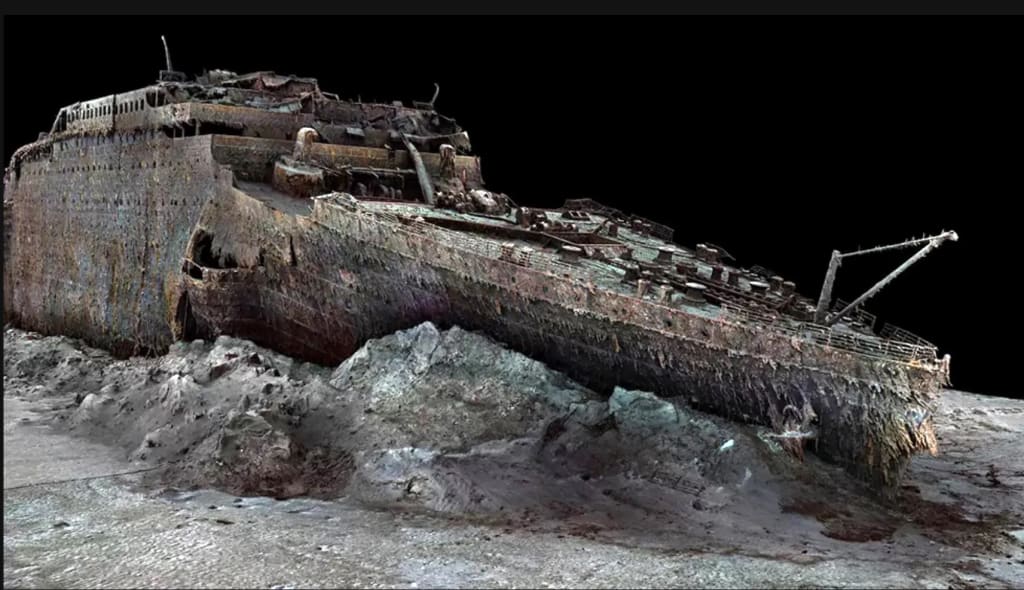
21. Cameron’s Fascination: James Cameron’s fascination with shipwrecks and underwater exploration played a significant role in the making of "Titanic." Before directing the film, Cameron had chartered 12 dives to the Titanic wreck site, gaining firsthand experience and footage of the sunken ship. His passion for marine archaeology and deep-sea exploration influenced the film’s production, contributing to its authenticity and realism. The underwater footage of the wreck seen in the film was captured during these dives, providing a genuine glimpse of the Titanic’s remains. Cameron’s dedication to exploring the wreck helped him create a more accurate and immersive depiction of the ship’s final moments. This personal connection to the subject matter added depth to the storytelling and visual representation, making "Titanic" not just a historical drama but a heartfelt tribute to the real-life tragedy. Cameron’s commitment to authenticity and his adventurous spirit are reflected in the film’s attention to detail and emotional resonance.
22. Mythbusters and the Door Controversy: The debate over whether Jack could have survived on the door with Rose has intrigued audiences for years. In 2012, the TV show Mythbusters tested the theory and concluded that both could have fit on the door and survived if they had used their life jackets to increase its buoyancy. James Cameron, however, dismissed the test’s findings, stating that the point of the scene was not about the door’s capacity but the narrative necessity of Jack’s sacrifice. He argued that Jack’s death was essential to the story’s emotional impact and character development. This controversy highlights the blend of artistic license and historical speculation in filmmaking. While Mythbusters provided a scientific perspective, Cameron’s focus was on storytelling and the thematic elements of love and loss. The enduring debate demonstrates the film’s profound effect on audiences and its ability to spark discussions about the intersection of fiction and reality in cinema.
23. Winslet’s Determination: Kate Winslet’s determination and commitment to her role as Rose in "Titanic" are well-documented. She famously insisted on performing many of her own stunts, including scenes involving cold water and intense physical exertion. Winslet’s dedication to authenticity extended to her refusing to wear a wetsuit during the cold water scenes, despite the discomfort and potential risk. Her insistence on experiencing the conditions her character faced added a layer of realism to her performance, making Rose’s struggle and determination more convincing. Winslet’s commitment to the role earned her praise from both audiences and critics, solidifying her status as a talented and dedicated actress. Her willingness to endure physical challenges for the sake of authenticity underscores the lengths actors sometimes go to bring their characters to life. Winslet’s performance in "Titanic" is a testament to her professionalism and passion for her craft, contributing significantly to the film’s enduring success and emotional impact.
24. Titanic Sails Again: Plans for a Titanic II, a modern replica of the original ship, have been in the works for several years. Australian businessman Clive Palmer announced the project in 2012, aiming to create an exact replica with modern safety standards and technology. The ship is designed to replicate the Titanic’s original layout and interior design while incorporating modern amenities and navigation systems. The project has faced numerous delays and challenges, but the idea of sailing on a new Titanic continues to captivate public imagination. The fascination with recreating the iconic ship reflects the enduring legacy of the Titanic story and its impact on popular culture. If completed, Titanic II will serve as a tribute to the original ship and its passengers, offering a unique and nostalgic experience for those interested in reliving the history. The project symbolizes humanity’s fascination with the past and the desire to connect with historical events through modern means.
25. Gloria Stuart’s Age Difference: Gloria Stuart, who portrayed the older Rose, was much younger than her character’s age in the film. At the time of filming, Stuart was in her late 80s, while the character of Old Rose was depicted as being over 100 years old. Stuart’s performance required extensive makeup and prosthetics to age her appropriately for the role. Despite the age difference, Stuart’s portrayal of Old Rose brought depth and authenticity to the character, bridging the gap between the past and present narratives in the film. Her performance earned her an Academy Award nomination for Best Supporting Actress, making her one of the oldest nominees in the category’s history. Stuart’s ability to convey the wisdom and emotion of her character added a poignant and reflective element to the film, highlighting the enduring impact of the Titanic disaster on those who survived. Her role in "Titanic" remains a testament to her talent and the film’s powerful storytelling.
26. James Horner’s Score: James Horner’s musical score for "Titanic" played a crucial role in the film’s emotional impact and success. The iconic soundtrack, featuring Celine Dion’s “My Heart Will Go On,” became synonymous with the film’s romantic and tragic themes. Horner’s compositions blended orchestral music with traditional Irish instruments, creating a soundscape that evoked the era and the emotional journey of the characters. The soundtrack became one of the best-selling film scores of all time, and “My Heart Will Go On” topped charts worldwide. Horner’s ability to capture the essence of the film through music added a layer of emotional depth, enhancing the storytelling and audience experience. His work on "Titanic" earned him two Academy Awards for Best Original Score and Best Original Song. The soundtrack’s enduring popularity underscores the power of music in cinema and its ability to amplify the emotional resonance of a story, making it a timeless part of "Titanic’s" legacy.
27. Film’s Success: "Titanic" became a global phenomenon, breaking box office records and winning numerous awards. It was the first film to gross over $1 billion worldwide, a milestone that highlighted its massive appeal across different cultures and demographics. The film’s success was driven by its compelling story, groundbreaking visual effects, and strong performances by the cast. "Titanic" won 11 Academy Awards, including Best Picture and Best Director, tying the record for the most Oscars won by a single film. Its popularity and critical acclaim solidified James Cameron’s reputation as a visionary filmmaker and established "Titanic" as a cultural touchstone. The film’s impact extended beyond the box office, influencing fashion, music, and popular culture. Its success demonstrated the power of epic storytelling and the universal appeal of love and tragedy. "Titanic" remains a benchmark in cinematic history, celebrated for its artistic achievements and its ability to captivate audiences worldwide.
28. Titanic in Pop Culture: "Titanic" has left an indelible mark on popular culture since its release. Its influence can be seen in numerous parodies, references, and homages across various media, from television shows and music videos to other films and even theme park attractions. The film’s iconic scenes, such as Jack and Rose’s embrace on the bow of the ship, have been recreated and referenced countless times, becoming part of the cultural lexicon. The phrase “I’m the king of the world!” has entered popular vernacular, symbolizing moments of triumph and exhilaration. "Titanic’s" impact extends beyond entertainment, inspiring interest in the real-life ship and its history. Exhibits, documentaries, and educational programs about the Titanic have seen increased popularity, driven by the film’s legacy. The enduring presence of "Titanic" in popular culture underscores its status as a cinematic landmark, continuing to resonate with audiences and influencing the way we remember the historic tragedy.
29. Cameron’s Personal Investment: James Cameron’s personal investment in "Titanic" went beyond his professional role as the film’s director. He forfeited his $8 million director’s salary and a percentage of the film’s gross profits to keep the production on track. This decision reflected his deep commitment to the project and his belief in its potential success. Cameron’s willingness to take such financial risks underscored his passion for the story and his determination to see it realized on screen. His personal investment paid off as the film became a box office sensation, and Cameron ultimately reaped significant financial rewards from its success. This level of dedication highlights the lengths to which filmmakers sometimes go to bring their vision to life. Cameron’s sacrifice and belief in "Titanic" exemplify the challenges and rewards of filmmaking, showcasing the personal and professional stakes involved in creating a cinematic masterpiece.
30. Ship’s Design and Legacy: The design and legacy of the Titanic ship itself played a crucial role in the film’s success. The ship’s grandeur and opulence were meticulously recreated for the film, capturing the essence of the early 20th century’s technological advancements and societal norms. The Titanic was a marvel of engineering and luxury, symbolizing human ambition and the pursuit of progress. Its tragic sinking highlighted the limitations and vulnerabilities inherent in such grand endeavors. The film’s portrayal of the ship’s design and the meticulous attention to historical detail helped convey the magnitude of the disaster and its impact on society. The legacy of the Titanic continues to captivate and inspire, serving as a reminder of both human achievement and fallibility. The film’s success in bringing this story to life underscores the enduring fascination with the Titanic and its place in history, illustrating the power of cinema to preserve and interpret significant historical events.
About the Creator
Horace Wasland
Research analyst, writer & mystical healer. Exploring the edge where science meets mystery. From mystery/the mystical, to facts, news & psychology. Follow for weekly insights on all four and please leave a tip if you like what you read :)
Keep reading
More stories from Horace Wasland and writers in Humans and other communities.
The Journey of Elon Musk
In 2002, when Elon Musk founded SpaceX, the company was remarkably modest—consisting of little more than carpet and a mariachi band. Despite the sparse beginnings, Musk's ambitions were colossal. His goal was to push beyond Earth's bounds and make human life multi-planetary, with Mars as a key destination.
By Horace Waslandabout a year ago in Humans
Macros Made Simple: Your Beginner’s Guide to Balanced Eating
Navigating the world of nutrition can feel overwhelming. Between diet trends, calorie counting, and conflicting advice, it’s easy to lose sight of the basics. That’s where understanding macros for beginners comes in. By focusing on macronutrients, protein, carbohydrates, and fats, you can fuel your body effectively, feel energized, and create meals that support your health and fitness goals without obsessing over every calorie.
By Melody Dalisay3 days ago in Humans


Comments (1)
Amazing history