
EFFECTS OF SOCIAL MEDIA ON MENTAL HEALTH: EXPLORING THE DARK SIDE
"Navigating the Social Media Landscape: Understanding the Impact on Mental Health"
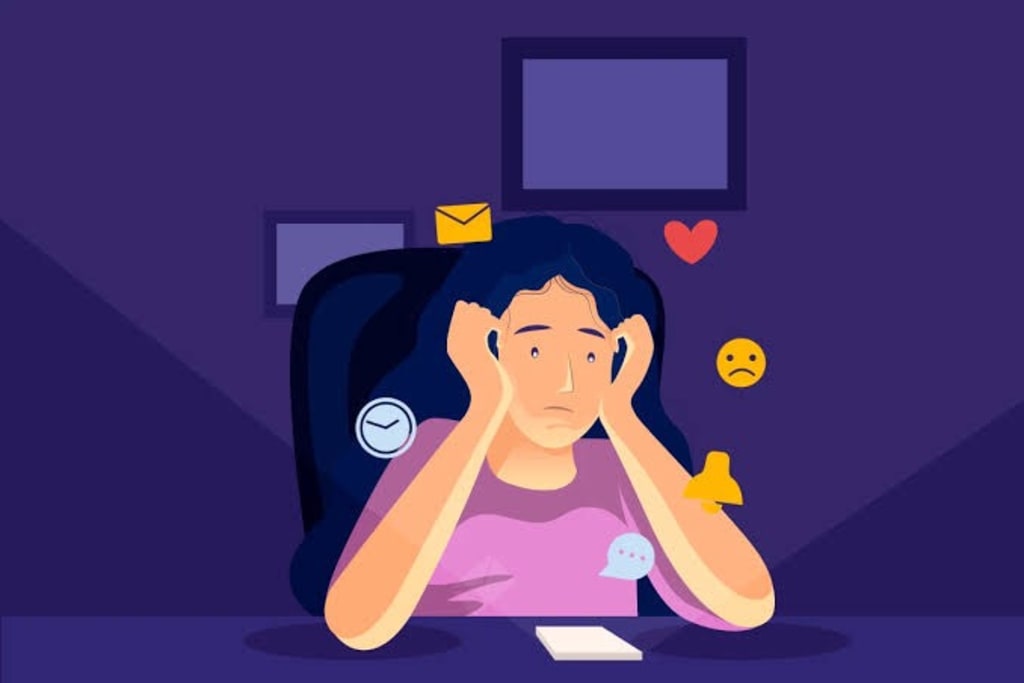
More often than not, Social media contributes to depression, anxiety, and other mental health issues.
One of the biggest problems with social media is that it can create unrealistic expectations. People often present polished versions of themselves on social media, which can lead others to feel inadequate or insecure. This can be particularly problematic for individuals who struggle with mental health issues and are already prone to comparing themselves to others. Social media can exacerbate these insecurities and create a sense of inadequacy or feelings of isolation.
Another potential problem with social media is that it can create a tendency to compare ourselves to others. Studies have shown that individuals who use social media more frequently tend to feel more envious of others, which can lead to negative self-comparisons. This can contribute to low self-esteem, anxiety, and depression.
In addition, social media can create a sense of detachment from reality. Some people become so absorbed in the digital world that they lose touch with the present moment, which can lead to feelings of disconnection. This can be particularly problematic for individuals who struggle with mental health issues and who may already feel disconnected from others.
Social media can also contribute to a phenomenon known as "FOMO," or fear of missing out. This refers to the feeling that others are having more fun or living more exciting lives than we are. This can be particularly problematic for individuals who struggle with mental health issues, as it can reinforce feelings of inadequacy or lead to a sense of disconnection from others.
Social media can create a sense of pressure to constantly be "on." Many people feel as though they have to be constantly checking their social media accounts, responding to messages, or updating their profiles. This can be particularly problematic for individuals who struggle with anxiety or obsessive-compulsive tendencies, as it can contribute to a sense of overwhelm or a feeling of being out of control.
Despite these potential negative effects, social media can also be a positive force for mental health. It can provide a sense of community and connection, particularly for individuals who may be isolated or have limited social support. Social media can also provide a platform for individuals to share their experiences and promote mental health awareness.
To minimize the potential negative effects of social media on mental health, it's important to set boundaries around social media use. This might include limiting the amount of time spent on social media, avoiding social media before bed, or taking breaks from social media altogether.
It's also important to be mindful of the content we consume on social media. Unfollow accounts that create negative emotions or contribute to feelings of inadequacy. Focus on following accounts that promote positivity and mental health awareness.
Additionally, it can be helpful to cultivate a sense of detachment from social media. Practice mindfulness techniques to stay present in the moment. Engage in activities that bring you joy and fulfillment outside of social media.
Social media can have a profound impact on our mental health, both positive and negative. While social media provides a sense of connection and community, it can also create unrealistic expectations, contribute to negative self-comparisons, and reinforce feelings of isolation or disconnection. By cultivating mindfulness, setting boundaries around social media use, and focusing on positive content, we can mitigate the potential negative effects of social media and promote our mental health and wellbeing.
The amount of time spent on social media can cause omen to develop body dysmorphia, a condition in which they become overly focused on perceived flaws and imperfections in their appearance.
Other negative effects of social media are:
•Anxiety and Fear of missing out (FOMO)is a condition that has become increasingly common with the rise of social media.
•Cyberbullying and isolation
•Addiction and sleep disorders especially in teenagers
MANAGING THE EFFECTS OF SOCIAL MEDIA
While the dark effects of social media on mental health cannot be ignored, there are ways to manage its impact effectively. Here are some tips for staying healthy and balanced while using social media:
• Set boundaries: It’s critical to set boundaries around your use of social media. By limiting your time spent on these platforms, you can reduce the risk of addiction and addiction-related health problems. Consider using apps that track your screen time, and set limits around the number of minutes or hours you will spend on social media each day.
• Be selective: Choose the social media platforms that resonate with you, and be selective about the people and brands you follow. Consider unfollowing accounts that don’t make you feel positive or inspired, and follow those that align with your values and interests.
• Take breaks: It’s important to take a break from social media occasionally. Consider taking a technology-free day or setting aside a few hours each week for a social media detox. During this time, focus on other activities such as reading, spending time in nature, or connecting with others in person.
Social media has become a double-edged sword in our lives. While it can enhance our social connections, knowledge, and entertainment, it also has negative effects on our mental health. By setting boundaries, being selective, and taking breaks, we can manage its impact and live a balanced, healthy life.
About the Creator
Kindred Spirits vs Soulmates: Key Emotional Differences.
The terms “kindred spirit” and “soulmate” are often used interchangeably, but they describe fundamentally different kinds of connections. Both are meaningful, but the emotional dynamics, depth, and purpose of each connection vary. Understanding these distinctions helps you recognize the nature of your relationships and navigate them with clarity, emotional balance, and intention.
By Wilson Igbasi6 days ago in Humans



Comments
There are no comments for this story
Be the first to respond and start the conversation.