
MENTAL HEALTH: EXPLORING THE GUT- BRAIN CONNECTION.
"Advancing Our Understanding: Exploring the Latest Breakthroughs in Mental Health Research"
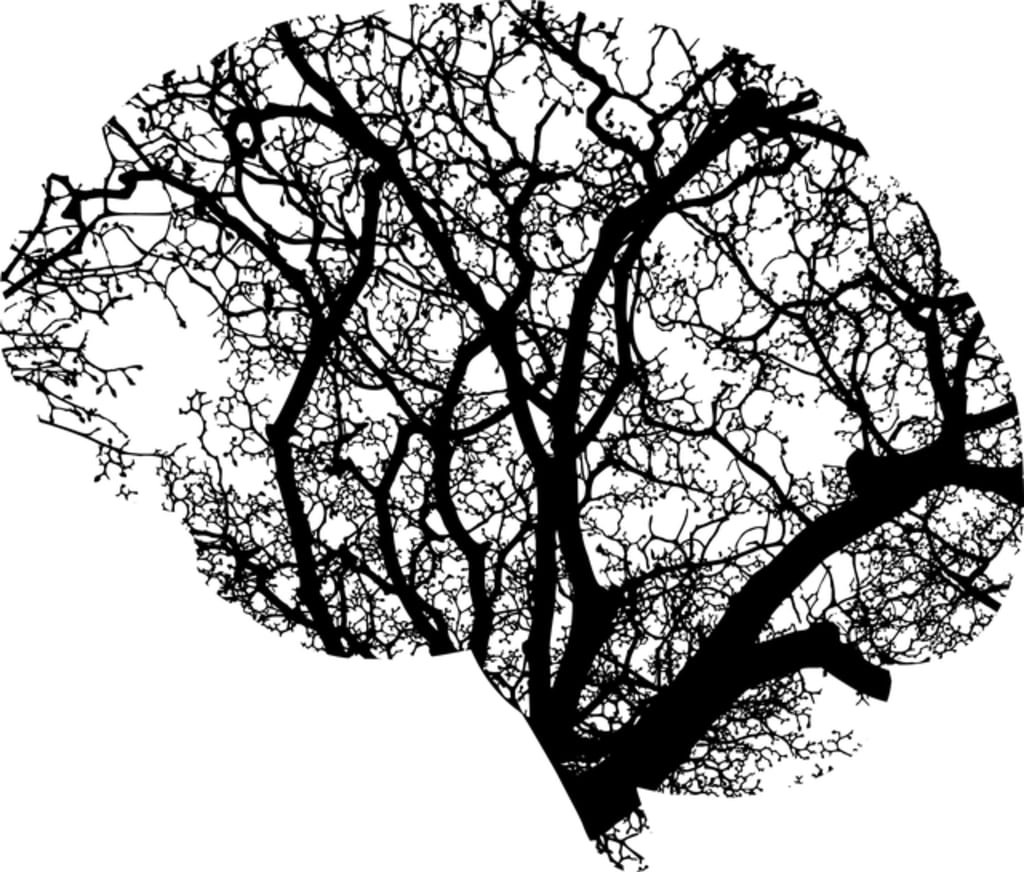
Many people are familiar with the term "gut feeling." It's that sensation in your stomach that tells you something just isn't right, even if you can't put your finger on what it is. But what if we told you that these gut feelings could be more than just a vague sensation? What if we told you that there is a real connection between your gut and your brain, and that this connection plays a significant role in your mental health? In this article, we'll explore the gut-brain connection and the latest research that sheds light on this fascinating topic.
The gut-brain connection refers to the intricate relationship between the gastrointestinal tract and the central nervous system. These two systems are in constant communication, exchanging information through the use of various chemicals and hormones. One of the key players in this communication process is the microbiome, the trillions of microorganisms that live in the digestive tract.
Recent research has revealed that the microbiome plays a crucial role in our mental health. Studies have shown that people with certain mental health disorders, such as anxiety and depression, have different gut microbiota than those without these disorders. Additionally, researchers have found that manipulating the microbiome, for example through the use of probiotics, can have a significant impact on mental health symptoms.
One study conducted by researchers at McMaster University in Canada found that when mice were given a probiotic supplement, they showed reduced symptoms of anxiety and depression. The probiotic supplement altered the mice's gut microbiota, leading to changes in the levels of neurotransmitters in the brain that are known to affect mood and behavior. Another study, conducted by researchers at the University of Virginia, found that mice that were bred without any gut bacteria exhibited more anxious behavior than mice with a normal microbiome.
While these studies were conducted on animals, there is also evidence to suggest that the gut-brain connection plays a significant role in human mental health. One study published in the journal Psychopharmacology found that people who consumed a probiotic supplement for a month showed reduced symptoms of anxiety and depression compared to a control group. Other studies have found that people with gut disorders, such as irritable bowel syndrome, are more likely to experience symptoms of anxiety and depression.
So, how exactly does the microbiome impact our mental health? One theory is that the microbiome influences the level of inflammation in the body. Inflammation is a normal response to infection or injury, but when it becomes chronic, it can have negative effects on the brain. Inflammation has been linked to a number of mental health disorders, including depression, anxiety, and schizophrenia. It's possible that the microbiome plays a role in regulating inflammation in the body, which in turn affects the brain.
Another possible pathway through which the microbiome impacts mental health is through the production of neurotransmitters. Neurotransmitters are chemicals that transmit signals between nerve cells in the brain. Many of the neurotransmitters that play a role in mental health, such as serotonin and dopamine, are produced in the gut. It's possible that imbalances in the gut microbiota could lead to imbalances in these neurotransmitters, which could then affect mood and behavior.
The gut-brain connection is a fascinating area of research that has the potential to revolutionize our understanding of mental health. While much is still unknown about this complex relationship, there is mounting evidence to suggest that the microbiome plays a crucial role in mental health. By focusing on nurturing our gut health through diet, exercise, and other lifestyle factors, we may be able to improve our mental well-being.
About the Creator
Where American People Travel To Meet New People Today Globally
Travel is no more about relaxation and sightseeing to the American people in the present times. It has turned into a purposeful mode to meet people, leave the comfort of some social groups and feel humanity in its various manifestations. When Americans cross borders, they are not merely traveling between locales, they are finding areas where they converse, friend one another, and have experiences together without any forced effort. The traveler of today, does not only want to visit places, but he wants to have something to engage with.
By Tiana Alexandra6 days ago in Humans


Comments
There are no comments for this story
Be the first to respond and start the conversation.