
Different Mindset Of Different People
People are unique and different, even if someone who look, behave and act the same way but their core thinking would be absolutely different.
A mindset refers to a person's attitude, beliefs, and way of thinking about themselves and the world around them. It can be influenced by a person's experiences and socialization. person may either believe that their abilities and qualities are set in stone or that they can improve and develop through effort and learning . Mindsets can have a significant impact on a person's behavior, motivation, and success in various areas of life.
Types Of Mindsets That People May Have
People have different mindsets based on their experiences, values and personality traits. These factors can shape a person's perspective, attitude, behavior, and decision-making. Some people may have a growth mindset, while others have a fixed mindset. Some may be more optimistic, while others are more pessimistic. Some may be open-minded, while others are more closed-minded. It's important to recognize and respect these differences in order to communicate and collaborate effectively with others.
Fixed Mindset
A fixed mindset is a belief that one's qualities, intelligence, and abilities are largely unchangeable, and therefore success or failure is predetermined. People with a fixed mindset tend to avoid challenges and give up easily, seeing failure as a reflection of their abilities rather than an opportunity to learn and grow. They may also compare themselves unfavorably to others, leading to feelings of inadequacy and low self-esteem. This mindset can hinder personal growth and achievement, as individuals are less likely to take on new challenges, seek feedback, and persevere through obstacles. However, a fixed mindset can be overcome with a deliberate effort to adopt a growth mindset.
Growth Mindset
A growth mindset is the belief that people's qualities, intelligence, and abilities can be developed and improved through effort, learning, and persistence. People with a growth mindset embrace challenges and see failure as an opportunity to learn and grow. They have a desire to learn and improve, seek out feedback and constructive criticism, and are more likely to take on new challenges. A growth mindset can lead to greater resilience, motivation, and self-confidence, which in turn can lead to greater personal growth and achievement. Adopting a growth mindset requires intentional effort to cultivate a willingness to learn and embrace challenges while recognizing that setbacks and failures are a natural part of the learning process.
Optimistic Mindset
An optimistic mindset is a mental attitude characterized by a hopeful and positive outlook on life, despite any setbacks or obstacles that may arise. It involves focusing on the positive aspects of situations and expecting good outcomes, while also being proactive and taking action to achieve one's goals. Optimistic individuals tend to view challenges as opportunities for growth and learning, rather than as insurmountable barriers. This mindset can lead to increased resilience, happiness, and success in personal and professional endeavors. However, it's important to note that optimism does not mean ignoring or denying reality; rather, it involves choosing to focus on the positive aspects of one's circumstances.
Pessimistic Mindset
A pessimistic mindset is a mental attitude characterized by a negative and skeptical outlook on life, in which one expects the worst outcomes to occur. Pessimistic individuals tend to focus on the negative aspects of situations and often experience feelings of hopelessness and helplessness. They may view challenges as insurmountable obstacles and may feel unmotivated to take action to achieve their goals. This mindset can lead to decreased resilience, feelings of anxiety or depression, and difficulty in achieving personal or professional success. However, it's important to note that a realistic perspective can be helpful in avoiding risks and preparing for potential challenges.
Open-Minded Mindset
An open-minded mindset is a mental attitude characterized by a willingness to consider and embrace new ideas, perspectives, and experiences. It involves a willingness to listen and learn from others, even if their views differ from one's own. Open-minded individuals tend to be curious, adaptable, and tolerant of ambiguity, which enables them to engage with different people and situations in a respectful and constructive manner. This mindset can lead to personal growth, improved relationships, and enhanced problem-solving skills. It's important to note that being open-minded does not mean compromising one's values or beliefs; rather, it involves a willingness to explore and consider alternative viewpoints.
Closed-Minded Mindset
A closed-minded mindset is a mental attitude characterized by a reluctance to consider new ideas, perspectives, or experiences that are different from one's own. It involves a fixed and rigid mindset that is resistant to change, often resulting in a lack of curiosity, tolerance, or adaptability. Closed-minded individuals tend to be dismissive of alternative views and may become defensive or confrontational when challenged or presented with new information. This mindset can limit personal growth, hinder problem-solving skills, and strain relationships with others. It's important to note that having a fixed mindset can be changed through conscious effort and openness to new ideas.
Abundance Mindset
An abundance mindset is a mental attitude characterized by a belief in the inherent abundance and generosity of the universe. It involves a mindset of abundance, rather than scarcity, and a belief that there are always opportunities for growth, success, and happiness. Individuals with an abundance mindset tend to focus on what they have, rather than what they lack, and view setbacks as temporary obstacles that can be overcome. This mindset fosters feelings of gratitude, creativity, and confidence, which can lead to greater success, resilience, and wellbeing. It's important to note that an abundance mindset does not mean ignoring or denying challenges, but rather choosing to approach them with positivity and optimism.
Scarcity Mindset
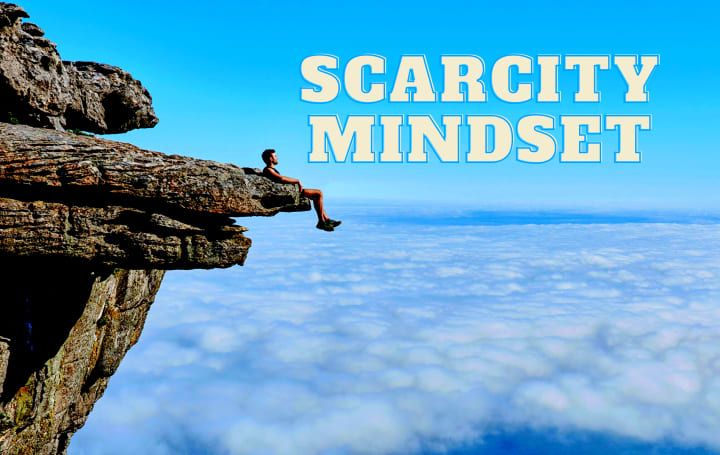
A scarcity mindset is a mental attitude characterized by a belief in a limited supply of resources, opportunities, or time. Individuals with a scarcity mindset tend to focus on what they lack, rather than what they have, and may feel a sense of fear or insecurity about the future. They may view setbacks as insurmountable obstacles and may feel a lack of control over their circumstances. This mindset can lead to feelings of stress, anxiety, and hopelessness, which can hinder personal growth and success. It's important to note that a scarcity mindset can be overcome by adopting a mindset of abundance, focusing on what is available, and taking proactive steps to create more opportunities.
Thank You For Reading
About the Creator
Autonomy Is The Real Privilege
Good morning, freedom-seekers! Today we’re gonna be looking at autonomy. A strange word, I know; one many would probably look at blankly and run away from on sight. We’re gonna figure out what it actually means, consider how it’s achieved, and decipher just how deeply most of us are tangled up in dependence without realising it.
By That ‘Freedom’ Guyabout 7 hours ago in Humans



Comments
There are no comments for this story
Be the first to respond and start the conversation.