
Creating Connections: Top 15 Strategies for Successful Dementia Caregiver Support Groups
Strong Community to Empower Caregivers and Enhance Support for Those Affected by Dementia

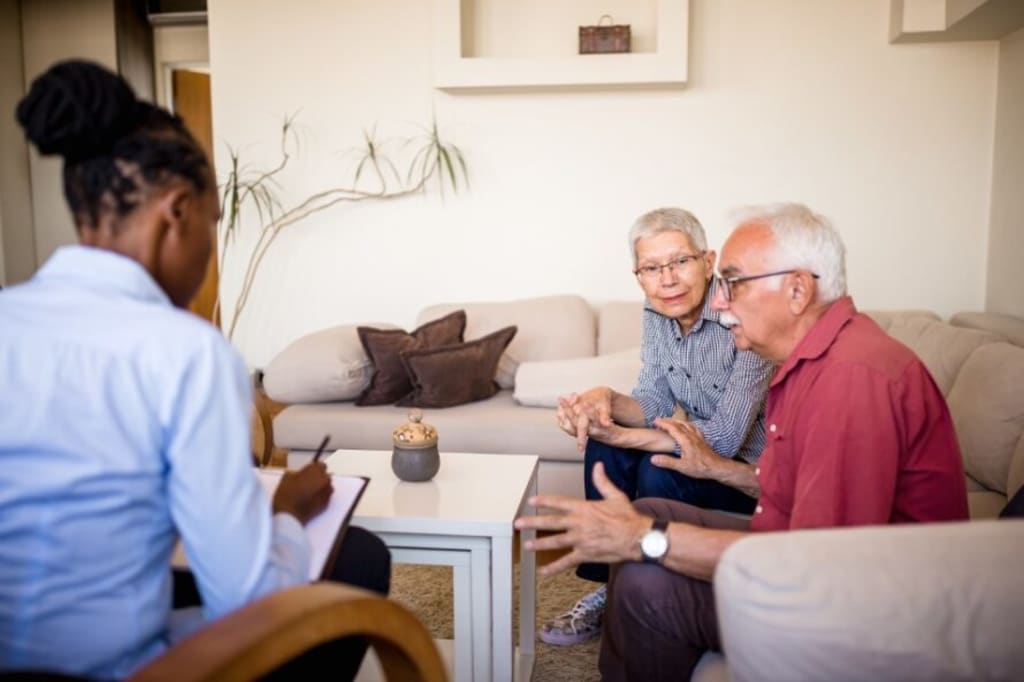
Caring for a loved one with dementia can be both rewarding and challenging. One of the best ways to navigate this journey is through a dementia caregiver support group. These groups provide emotional support, resources, and camaraderie among those facing similar challenges. Here are the top 15 strategies to ensure your support group is successful and impactful.
1. Establish Clear Objectives
Start by defining the purpose of your dementia caregiver support group. Whether it’s providing emotional support, sharing resources, or offering educational workshops, having clear objectives will help keep the group focused and engaged.
2. Create a Welcoming Environment
Ensure that the atmosphere is warm and inviting. A comfortable setting encourages openness and fosters connections among members. Consider the layout, lighting, and seating arrangements to promote inclusivity.
3. Involve a Certified Dementia Care Specialist
Bringing in a certified dementia care specialist can greatly enhance the group's effectiveness. These professionals can provide expert insights into dementia care strategies, answer questions, and facilitate discussions on various topics related to caregiving.
4. Encourage Open Communication
Promote an open dialogue among group members. Encourage everyone to share their experiences, challenges, and successes. This exchange of ideas can lead to valuable solutions and strengthen bonds among participants.
5. Share Resources and Information
Make it a priority to share resources related to dementia care and dementia care at home. This could include pamphlets, books, articles, and local services. Providing members with practical tools will empower them in their caregiving roles.
6. Organize Regular Meetings
Consistency is key. Schedule regular meetings, whether weekly, bi-weekly, or monthly. Regular gatherings help build a sense of community and ensure that members have ongoing support.
7. Incorporate Educational Components
Include educational segments in your meetings. This could involve guest speakers, workshops, or discussions on specific topics such as managing behaviors, communication techniques, or the latest research on dementia care.
8. Foster Peer Support
Encourage members to connect outside of meetings. Building friendships can enhance support and provide additional resources. Consider creating a buddy system or small discussion groups for more personal connections.
9. Utilize Technology
In today’s digital age, technology can enhance your support group. Use social media or messaging apps to create a group chat, allowing members to share experiences and resources in real time, even between meetings.
10. Celebrate Milestones and Achievements
Recognize and celebrate the achievements of group members, no matter how small. Acknowledging milestones can boost morale and reinforce the sense of community. Whether it’s a member finding a new coping strategy or successfully managing a challenging situation, celebrations create positive energy within the group.
11. Encourage Self-Care for Caregivers
Remind members of the importance of self-care. Caregivers often neglect their own well-being while focusing on their loved ones. Discuss self-care strategies and encourage members to take breaks, engage in hobbies, and seek help when needed.
12. Provide Emotional Support
Creating a safe space for emotional expression is crucial. Encourage members to share their feelings, whether it’s frustration, sadness, or joy. A supportive environment helps validate their experiences and fosters healing.
13. Develop a Resource Library
Create a resource library with books, articles, and toolkits related to dementia care. This can be a valuable asset for members seeking information and solutions to specific challenges.
14. Gather Feedback for Improvement
Regularly seek feedback from members on what’s working and what can be improved. Adjusting the group’s focus based on member needs ensures that the support group remains relevant and effective.
15. Build Community Connections
Encourage collaboration with local organizations that focus on dementia care. Partnering with these organizations can provide additional resources, workshops, and support for group members, enhancing the overall experience.
Conclusion
Creating a successful dementia caregiver support group involves dedication, empathy, and a commitment to fostering connections. By implementing these 15 strategies, you can establish a supportive community that empowers caregivers and enhances their ability to provide dementia care. Remember, every caregiver's journey is unique, and the bonds formed within a support group can make a significant difference in navigating the challenges of caring for a loved one with dementia. Through shared experiences and expert guidance, caregivers can find solace, strength, and hope in their journey.
About the Creator
Hearts for Dementia
Hearts For Dementia provides exceptional dementia care through a comprehensive Integrated Care Model. Our holistic approach enriches lives, tailored to the unique needs of those with dementia and their caregivers.
Keep reading
More stories from Hearts for Dementia and writers in Humans and other communities.
Finding Reliable and Professional Home Care Services in Scottsdale
When it comes to caring for a loved one who needs assistance at home, finding reliable and professional home care services is essential. Whether you’re looking for help with daily tasks or specialized dementia care, choosing the right service can make all the difference in maintaining your loved one’s quality of life. Scottsdale is known for its variety of options, but how do you ensure you're making the best choice? This guide will walk you through the key factors to consider when selecting home care services in Scottsdale, with a special focus on dementia care and the importance of caregiver support.
By Hearts for Dementiaabout a year ago in Humans
Autonomy Is The Real Privilege
Good morning, freedom-seekers! Today we’re gonna be looking at autonomy. A strange word, I know; one many would probably look at blankly and run away from on sight. We’re gonna figure out what it actually means, consider how it’s achieved, and decipher just how deeply most of us are tangled up in dependence without realising it.
By That ‘Freedom’ Guy6 days ago in Humans
(11) Collapse by Withdrawal
- The Myth of Sudden Collapse - Popular imagination tends to picture societal collapse as dramatic and explosive. Revolutions, riots, coups, and public uprisings dominate historical storytelling because they are visible and narratively satisfying. They provide a clear beginning, a clear antagonist, and a clear moment of rupture. In reality, most complex systems do not fail this way. They fail quietly, gradually, and often without a single defining event. Collapse is rarely the result of collective rage reaching a boiling point. It is more often the result of collective disengagement reaching a critical mass.
By Peter Thwing - Host of the FST Podcastabout 18 hours ago in Humans



Comments
There are no comments for this story
Be the first to respond and start the conversation.