
Confidentiality: The Foundation of Trust in Personal and Professional Settings
Confidentiality is a cornerstone of ethical practice across multiple disciplines including healthcare, counseling, law, business, and education. At its core, confidentiality refers to the principle of keeping information private, shared only with the appropriate individuals and under the right circumstances. It fosters trust, ensures privacy, and protects the rights and dignity of individuals.

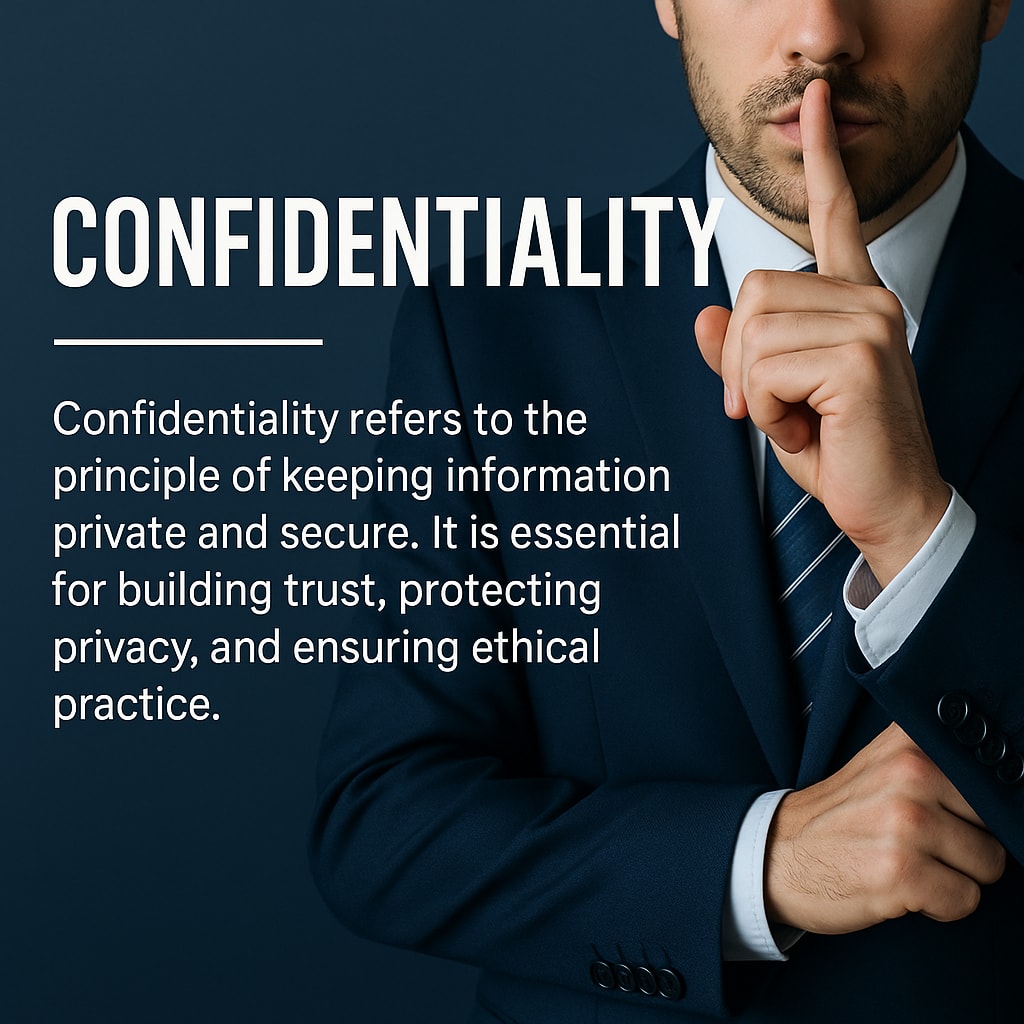
The Meaning of Confidentiality
Confidentiality involves the safeguarding of personal, sensitive, or private information that is disclosed in a trusted relationship. Whether it is a patient sharing medical history with a doctor, a student opening up to a school counselor, or a client confiding in a lawyer, individuals expect that their information will not be shared without consent. This protection promotes open communication and allows professionals to provide appropriate and effective support or care.
Confidentiality in Professional Practice
Different professions uphold confidentiality in distinct ways, but the underlying principle remains the same: information should not be disclosed without proper authorization.
Healthcare: In the medical field, confidentiality is a legal and ethical obligation. Doctors, nurses, and emergency care professionals like paramedics are bound by codes such as HIPAA (in the US) or local laws in other countries. These laws prevent the unauthorized sharing of patient records, diagnoses, or treatment details. Breaching confidentiality can lead to a loss of trust, legal consequences, and even harm to the patient.
Counseling and Mental Health: In counseling, confidentiality is essential to create a safe space where clients feel comfortable sharing their thoughts and feelings. Without trust in confidentiality, many individuals might withhold important information out of fear of judgment or exposure. However, there are exceptions, such as when a client poses a threat to themselves or others, or in cases of child abuse or court orders.
Legal Sector: Lawyers are obligated to maintain attorney-client privilege. Anything shared by a client in confidence must be kept secret unless the client consents to its disclosure. This allows clients to speak openly and honestly, which is crucial for effective legal representation.
Workplace and Business: In corporate settings, confidentiality is vital for protecting sensitive business information, such as trade secrets, financial data, or personal employee records. Breaching confidentiality agreements in business can lead to serious legal and financial consequences.
Why Confidentiality Matters
Builds Trust: People are more likely to seek help, share sensitive details, and accept guidance when they trust that their privacy will be respected.
Protects Individual Rights: Every individual has the right to control who knows their private information. Respecting confidentiality honors that right and upholds human dignity.
Ensures Ethical Practice: Confidentiality is part of ethical codes across many professions. Professionals who break this trust may face disciplinary actions or even lose their licenses.
Supports Mental and Emotional Health: Especially in therapy or medical care, confidentiality allows individuals to share traumas, fears, or medical concerns without fear of exposure, helping them receive appropriate treatment.
Breaches of Confidentiality
Despite its importance, breaches of confidentiality can occur—intentionally or accidentally. Some common examples include:
Sharing patient or client details on social media
Discussing private information in public areas
Leaving confidential files unattended
Disclosing information without proper consent
These breaches not only damage professional reputations but can also cause emotional, psychological, or financial harm to individuals. That’s why training, awareness, and policies are critical in all fields that handle sensitive information.
Balancing Confidentiality with Other Duties
There are certain situations where maintaining confidentiality might conflict with other responsibilities, such as public safety or legal obligations. For example, a psychologist who learns that a patient is planning to harm someone may be legally required to report it to authorities. Similarly, healthcare providers might need to report communicable diseases to public health departments.
Professionals must be well-trained to navigate such ethical dilemmas. The key lies in understanding the legal requirements of the profession and making decisions that minimize harm while respecting the rights of all involved.
Promoting a Culture of Confidentiality
Organizations and institutions must actively promote a culture that values confidentiality. This can be done through:
Training sessions for staff and students
Clear confidentiality policies and guidelines
Secure systems for handling records and communication
Encouraging open dialogue about privacy concerns
Everyone in an organization plays a role in maintaining confidentiality. It is not just a matter of policy but of personal and professional integrity.
Conclusion
Confidentiality is more than just a rule—it is a promise. A promise that the sensitive information entrusted to someone will be respected and protected. Whether in the emergency room, the courtroom, or a counseling session, confidentiality builds the foundation of trust and ethical practice. As our society becomes increasingly interconnected and digital, the importance of confidentiality continues to grow, reminding us that trust is built not only by what we say—but by what we choose to keep safe and private.
About the Creator
Clarity Press
Clarity Press is a professional blog dedicated to publishing clear, insightful, and research-based articles on health, education, and social issues.
Keep reading
More stories from Clarity Press and writers in Humans and other communities.
The True Purpose of Education: Shaping Minds, Not Just Careers
In the modern world, education is often reduced to a means to an end — a stepping stone to a job, a career, or financial stability. From early schooling to higher education, the focus is frequently placed on grades, degrees, and competitive exams. But this narrow perspective misses the essence of what education truly stands for.
By Clarity Press9 months ago in Education
Autonomy Is The Real Privilege
Good morning, freedom-seekers! Today we’re gonna be looking at autonomy. A strange word, I know; one many would probably look at blankly and run away from on sight. We’re gonna figure out what it actually means, consider how it’s achieved, and decipher just how deeply most of us are tangled up in dependence without realising it.
By That ‘Freedom’ Guyabout 19 hours ago in Humans
We Don’t Eat for Nutrition. We Eat for Relief.
There is a certain hour at night when kitchens light up again. The day is technically over. The work is done or abandoned. The phone is finally quiet. And yet refrigerators open, cupboards slide out, and hands reach for food without much thought about taste or nutrition. It happens almost automatically, as if the body is finishing a sentence the day never completed.
By Aarsh Malikabout 9 hours ago in Humans
How to Succeed at the Benson Directory®
Congratulations and welcome to the Benson Directory® employee #22391! As our newest call handler, you will have the privilege of speaking with dozens of unique and interesting people on a daily basis as well as the opportunity to earn bonuses for high performance. Contained within this handbook you will find a set of ease to follow instructions designed to help you settle in to your new role and begin paving the way to success.
By S. A. Crawford4 days ago in Fiction




Comments
There are no comments for this story
Be the first to respond and start the conversation.