
The True Purpose of Education: Shaping Minds, Not Just Careers
Education is not just about getting a job — it's about building character and shaping responsible individuals."

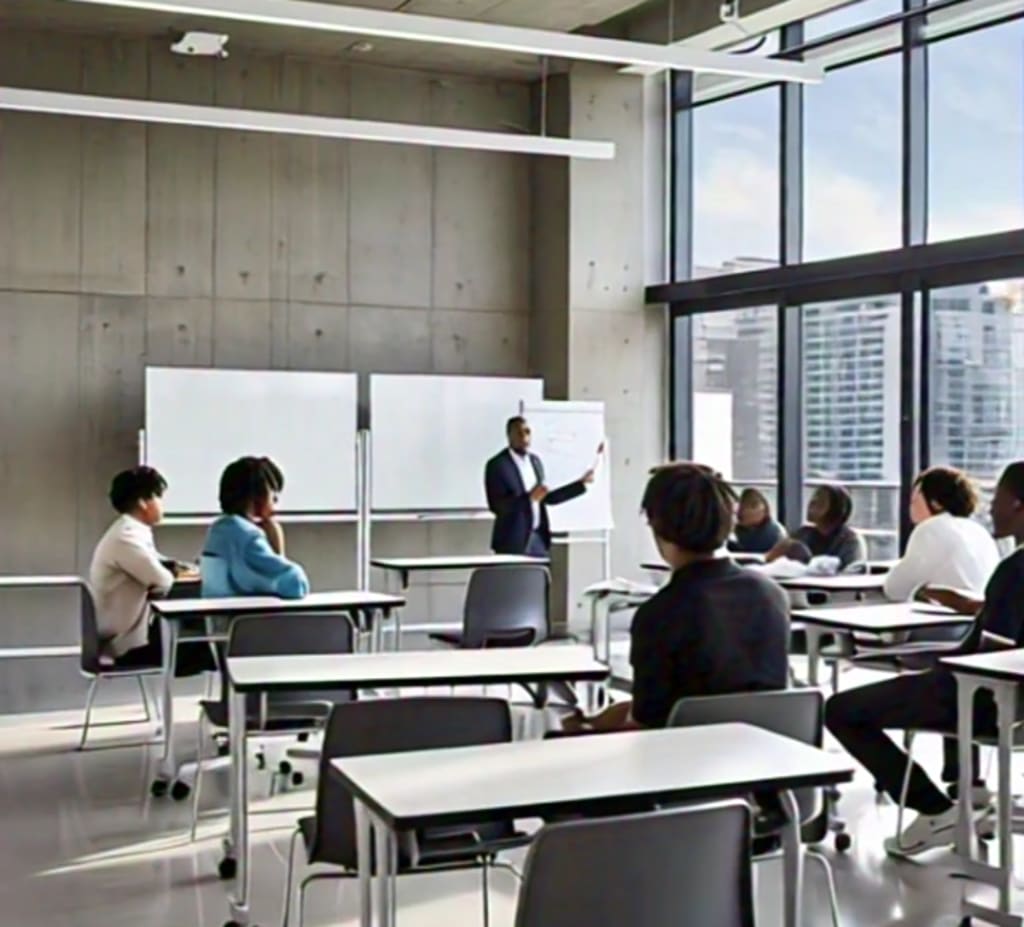
In the modern world, education is often reduced to a means to an end — a stepping stone to a job, a career, or financial stability. From early schooling to higher education, the focus is frequently placed on grades, degrees, and competitive exams. But this narrow perspective misses the essence of what education truly stands for.
At its heart, education is a process of enlightenment — a journey that transforms not only the intellect but also the character. It is not just about acquiring knowledge; it's about learning how to think, how to ask questions, how to empathize, and how to act with integrity.
Education as a Lifelong Process
Education does not begin or end in the classroom. While formal institutions like schools and universities play a crucial role, true education is a lifelong process. It continues through our experiences, interactions, reflections, and the choices we make every day.
From learning how to resolve conflicts to understanding the needs of our communities, education shapes the way we live and interact with the world. It builds the foundation for responsible citizenship, ethical decision-making, and personal growth.
Moving Beyond Rote Learning
One of the most common criticisms of traditional education systems, especially in South Asia and many other parts of the world, is the emphasis on rote learning. Students are often trained to memorize facts and repeat them in exams, with little focus on understanding concepts or applying them in real-life situations.
This method may help in achieving short-term academic results, but it fails to develop critical thinking, creativity, and problem-solving — skills that are essential in the modern world. An educated individual should not only know the "what" but also understand the "why" and "how."
Education and Character Building
True education is as much about character building as it is about academic achievement. Values such as honesty, discipline, compassion, and responsibility must be an integral part of the educational experience.
Nelson Mandela once said, "Education is the most powerful weapon which you can use to change the world." But to change the world positively, we must first change ourselves. This internal transformation is only possible when education nurtures both the mind and the soul.
Teachers, parents, and community leaders all play vital roles in this process. A kind word from a teacher, an encouraging conversation at home, or exposure to community service can leave lasting impressions on a young mind. These are the lessons that often shape a person's values far more than textbooks ever will.
Education as a Tool for Social Change
An educated society is more likely to be peaceful, just, and progressive. Education reduces inequality, promotes gender equity, and empowers marginalized communities. It equips individuals with the tools to challenge injustice and build more inclusive systems.
In regions like ours, where poverty, illiteracy, and lack of awareness remain significant challenges, quality education has the potential to break the cycle. When a girl is educated, her whole family benefits. When youth are educated with purpose and direction, crime rates drop, economies strengthen, and societies become more resilient.
However, this requires more than just increasing access to schools. We need to ensure quality education that is relevant, inclusive, and forward-thinking.
The Future of Education
With technology rapidly reshaping our world, the future of education must adapt to prepare students not just for jobs that exist today, but also for those that will exist tomorrow. This includes digital literacy, emotional intelligence, global awareness, and adaptability.
Online learning, blended classrooms, and personalized education pathways are becoming more common. But regardless of the mode, the core purpose remains the same: to develop informed, thoughtful, and responsible human beings.
Moreover, we must also invest in the emotional and mental well-being of students. Education must teach not just how to succeed, but also how to fail, how to cope, and how to keep going. In a world full of pressures and distractions, students need to learn resilience and inner strength as much as they need technical skills.
Conclusion
Education is not just a tool for earning a living; it is the foundation for living a meaningful life. It shapes the way we think, feel, and interact with the world. A truly educated person is not only knowledgeable but also kind, curious, humble, and driven by purpose.
As individuals, educators, and policymakers, we must strive to restore the true purpose of education — to build minds that seek truth, hearts that embrace empathy, and hands that work for the betterment of society.
Only then will education fulfill its promise — not just to create professionals, but to nurture responsible, conscious, and capable human beings.
About the Creator
Clarity Press
Clarity Press is a professional blog dedicated to publishing clear, insightful, and research-based articles on health, education, and social issues.
Keep reading
More stories from Clarity Press and writers in Education and other communities.
BS Emergency Care Technology: A Vital Field for Modern Healthcare
In the ever-evolving landscape of global healthcare, rapid response to emergencies has become a critical pillar of patient survival and public health management. The Bachelor of Science (BS) in Emergency Care Technology is an academic program designed to produce skilled professionals who can deliver high-quality emergency medical services (EMS) in various critical and pre-hospital settings. As the demand for efficient emergency care systems continues to grow, the significance of this degree is becoming increasingly apparent.
By Clarity Press9 months ago in Education



Comments (1)
Such a mind-blowing content.