
Comprehending the Importance of Mental Health
Understanding Mental Health

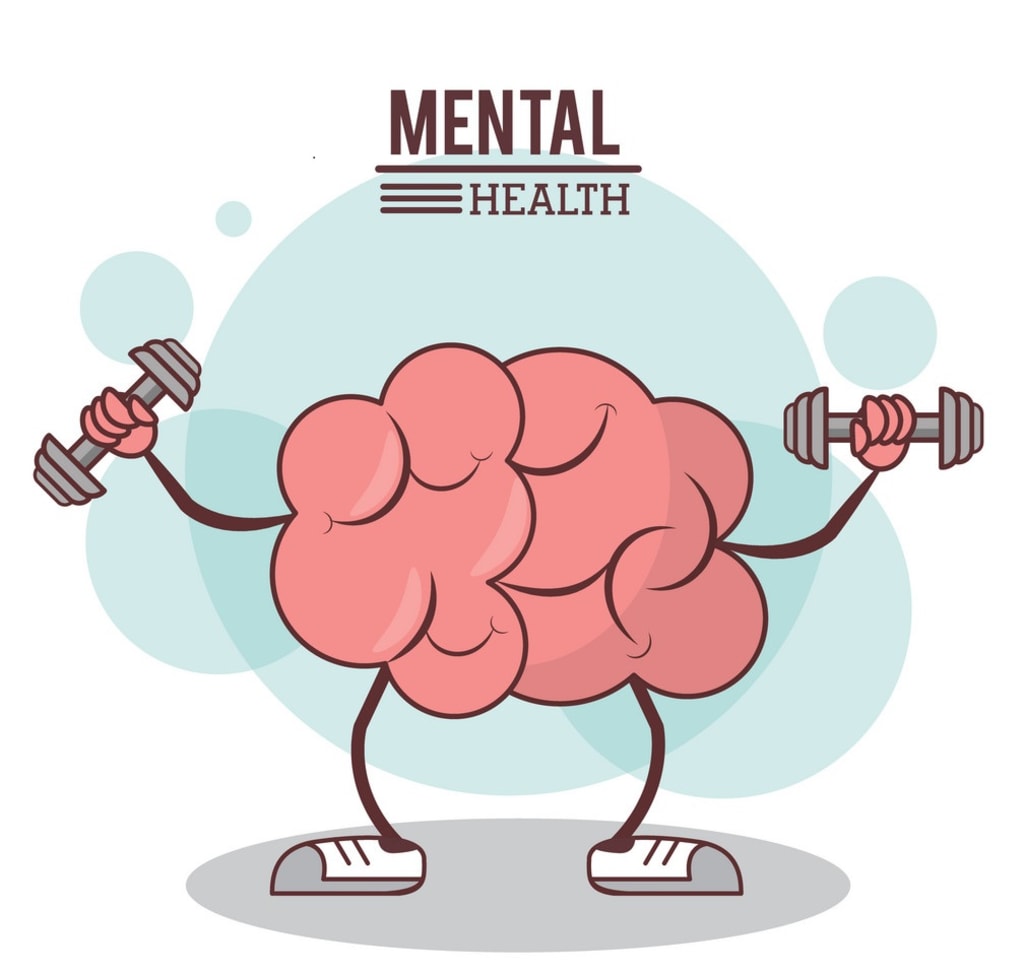
Mental health is a fundamental aspect of overall well-being, yet it is often overlooked or misunderstood. It encompasses emotional, psychological, and social dimensions of a person’s life, influencing thoughts, feelings, behaviors, and interpersonal relationships. A comprehensive understanding of mental health is essential for fostering resilience, maintaining a balanced life, and promoting societal well-being.
The Scope of Mental Health
Mental health goes beyond the absence of mental illness; it refers to a state of emotional and psychological equilibrium. A mentally healthy individual can effectively handle stress, build and maintain relationships, work productively, and contribute meaningfully to their community. Just as physical health fluctuates, mental health can also vary over time and requires consistent care and attention.
Key Components of Mental Health
1. Emotional Health
Emotional health involves understanding and managing emotions effectively. It includes recognizing feelings, processing them appropriately, and expressing them constructively. Emotional health is integral to navigating life’s challenges and celebrating its joys.
2. Psychological Health
Psychological health encompasses cognitive functions such as memory, decision-making, and problem-solving. It also involves self-awareness, self-esteem, and the ability to cope with adversity.
3. Social Health
Social health pertains to the quality of one’s relationships and interactions. Building and sustaining supportive relationships foster a sense of belonging and contribute to mental well-being.
Factors Influencing Mental Health
Mental health is shaped by a combination of biological, psychological, and environmental factors:
- Biological Factors: Genetics, brain chemistry, and hormonal imbalances can significantly affect mental health.
- Psychological Factors: Childhood experiences, coping mechanisms, and resilience play a pivotal role.
- Environmental Factors: Social support, cultural norms, socioeconomic conditions, and access to healthcare contribute to mental well-being.
Common Mental Health Disorders
Understanding mental health requires acknowledging the prevalence and impact of mental health disorders. Some common conditions include:
1. Anxiety Disorders: These are characterized by excessive worry or fear and include generalized anxiety disorder, panic disorder, and phobias.
2. Depression: A mood disorder causing persistent sadness, lack of energy, and loss of interest in activities once enjoyed.
3. Bipolar Disorder: This condition involves extreme mood swings, ranging from manic highs to depressive lows.
4. Post-Traumatic Stress Disorder (PTSD): Triggered by traumatic events, PTSD causes flashbacks, nightmares, and severe anxiety.
5. Schizophrenia: A severe mental disorder affecting perception, thought processes, and behavior.
The Importance of Mental Health
1. Improved Quality of Life
Good mental health enhances the ability to enjoy life, pursue goals, and build meaningful relationships. It fosters resilience and adaptability, allowing individuals to cope with life’s challenges effectively.
2. Physical Health Connection
Mental health and physical health are interconnected. Chronic stress, anxiety, and depression can lead to physical ailments such as heart disease, weakened immunity, and gastrointestinal issues. Conversely, physical activity and a healthy lifestyle contribute to better mental health.
3. Social and Economic Contributions
Mentally healthy individuals are more likely to participate in community activities, maintain stable employment, and contribute positively to society. Poor mental health can result in absenteeism, decreased productivity, and strained relationships.
Promoting Mental Health
1. Self-Care Practices
Prioritizing self-care through activities like mindfulness, exercise, and engaging hobbies can significantly improve mental well-being.
2. Open Communication
Discussing feelings and seeking support from trusted individuals reduces feelings of isolation and fosters a supportive environment.
3. Professional Help
Therapy, counseling, and medication can be life-changing for individuals struggling with mental health issues. Professionals provide tailored strategies to address specific needs.
4. Balanced Lifestyle
Maintaining a balance between work, rest, and leisure activities is crucial. Adequate sleep, a nutritious diet, and regular physical activity are foundational to mental health.
5. Reducing Stigma
Raising awareness about mental health reduces stigma and encourages more people to seek help without fear of judgment.
Challenges in Mental Health Awareness
Despite its importance, mental health often remains stigmatized. Misconceptions about mental illness can discourage individuals from seeking help, leading to untreated conditions and worsening symptoms. Additionally, access to mental health resources is uneven, with many communities lacking adequate facilities and trained professionals.
Conclusion
Comprehending the importance of mental health is crucial for individuals and society as a whole. Mental health affects every aspect of life, from personal relationships to professional success. By fostering awareness, encouraging open dialogue, and prioritizing care, we can create a supportive environment that promotes mental well-being. Addressing mental health with the same dedication as physical health is a necessary step toward building a healthier, more compassionate world.
About the Creator
Menchie Salisbury
I write in a way that feels like a conversation with a friend. My content isn’t just informative—it’s engaging, relatable, and designed to keep you hooked from start to finish.
Keep reading
More stories from Menchie Salisbury and writers in Humans and other communities.
What Happens If You Hold Your Pee In For Too Long
The Risks of Holding in Urine: What You Need to Know We've all been there: You're an hour into a movie, or perhaps deep into a meeting, and the urge to urinate begins to intensify. You might think you can hold it, but should you? While it may seem harmless to delay relieving yourself for a short time, consistently holding in urine can have serious effects on your health.
By Menchie Salisburyabout a year ago in Humans
Birth Charts and Twin Flames: Why Timing Keeps Pulling You Together.
Twin flame relationships are known for their intensity, spiritual depth, and recurring cycles of union and separation. Many people wonder why, no matter the challenges, they keep finding their twin flame at seemingly perfect—or perfectly chaotic—moments. Astrology, particularly the study of birth charts, offers answers. By examining planetary placements, aspects, and transits, astrology explains why timing matters and why the universe keeps bringing twin flames back together.
By Wilson Igbasi5 days ago in Humans
Do You have a Support Network?
Life is harder when you’re on your own. Human beings are social creatures, and we usually feel better when we have support from a strong social network around us. For most people, it’s our families that hold us together like glue.
By Elizabeth Woodsabout 19 hours ago in Psyche


Comments
There are no comments for this story
Be the first to respond and start the conversation.