
Breaking the Patriarchal Chain
Kenyan Women Leaders Call for Men to Reject Harmful Norms and Embrace Positive Masculinity
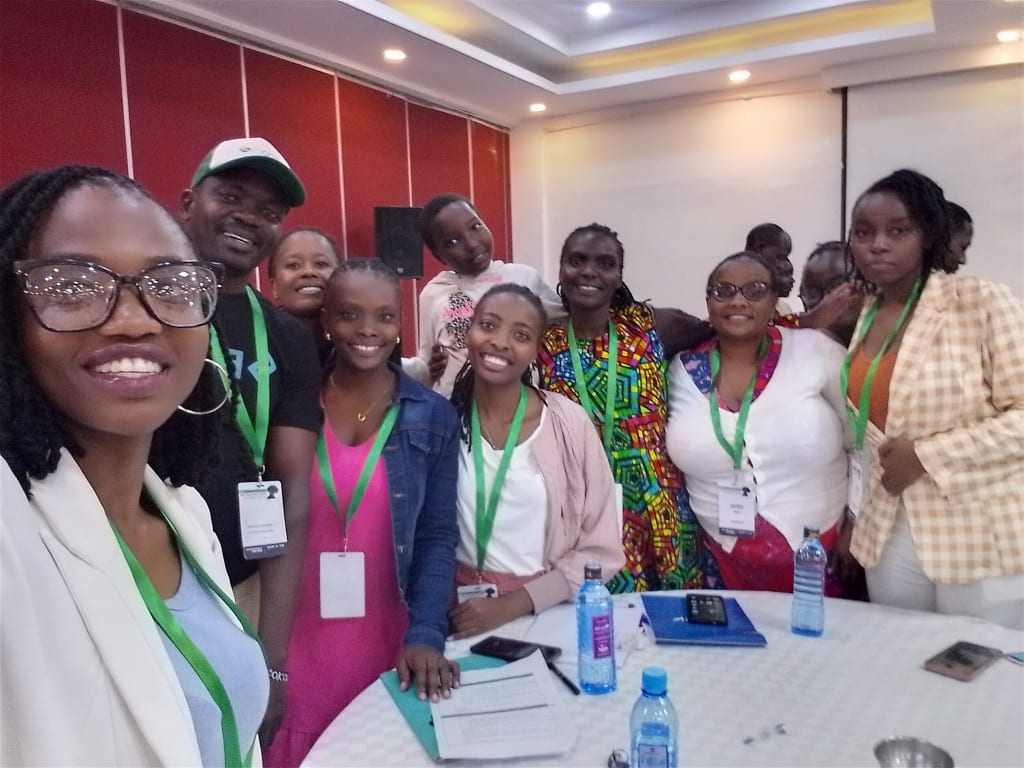
Efforts to End GBV in Kenya Require a Shift in Cultural Attitudes and Behaviors of Men and Boys
Kenya has made notable strides in legislating against gender-based violence (GBV), yet deeply entrenched cultural and societal norms continue to fuel the persistence of violence and discrimination against women and girls. Women leaders and gender advocates agree that legal frameworks alone are insufficient; a significant cultural shift among Kenyan men and boys is crucial to ending GBV once and for all.
Legislative Progress Meets Cultural Challenges
According to a recent statement by UN Women Kenya, despite the country’s efforts to pass laws aimed at curbing GBV, such as the Protection Against Domestic Violence Act and the Sexual Offences Act, the roots of violence remain firmly embedded in traditional patriarchal norms and unequal power dynamics. These norms often promote the idea that men should be dominant and women submissive, an outlook that perpetuates violence in homes, workplaces, and communities.
Women leaders acknowledge that these norms have historically dictated gender roles, with expectations that men should be the breadwinners and decision-makers, while women are expected to be obedient and passive. Such perceptions foster environments where violence is excused or justified, such as in cases where women are beaten 'for discipline' or subjected to harmful cultural practices like Female Genital Mutilation (FGM) and early marriages.
Challenging Harmful Cultural Practices
The deeply rooted cultural practices that sustain gender inequality have been identified as significant contributors to the high rates of GBV in Kenya. Instances where communities support women being physically disciplined or subjected to FGM are manifestations of societal acceptance of harmful norms. These practices not only violate women's rights but also perpetuate cycles of violence and disempowerment.
Women leaders have emphasized that addressing these issues requires more than just legal interventions; it demands societal transformation. Changing perceptions about gender roles and challenging the normalization of violence are essential steps toward creating a safer environment for women and girls.
The Call for Positive Masculinity
In light of these challenges, UN Women Kenya has issued a strong appeal to Kenyan men and boys to reject harmful norms that equate manhood with dominance, aggression, and control. Instead, they advocate for the promotion of positive masculinity, a concept rooted in empathy, respect, accountability, and partnership.
Ms. Antonia N’gabala Sodonon, UN Women’s Representative in Kenya, highlighted that fostering positive masculinity is vital in the collective journey toward gender justice. “Positive masculinity is a powerful tool in our collective journey towards gender justice. It encourages men to become allies to foster healthier relationships,” she stated.
This shift not only benefits women and girls but also promotes healthier, more equitable relationships for men themselves. Men embracing positive masculinity can challenge harmful stereotypes, support gender equality, and contribute to reducing GBV in their communities.
Collaborative Efforts and Future Strategies
Recognizing the importance of this cultural transformation, UN Women has collaborated with the Kenyan government, youth advocates, and gender experts to develop strategic initiatives. Among these is the Regional Forum on Positive Masculinity and the Fight Against GBV, which aims to inform the ratification and implementation of the African Union (AU) Convention on Ending Violence against Women and Girls (EVAWG).
Furthermore, stakeholders have facilitated the drafting of the National Male Engagement and Inclusion Strategy, a blueprint designed to actively involve men and boys in ending GBV and promoting gender equality.
Addressing the Rising Cases of Femicide
The urgency of these initiatives is underscored by the alarming rise in femicide cases in Kenya. Women and girls continue to face violence that ranges from domestic abuse to lethal attacks, highlighting the need for a comprehensive approach that combines legal, cultural, and societal change.
A Collective Responsibility
Women leaders and advocates emphasize that ending GBV in Kenya requires collective effort. While legislative measures provide a crucial foundation, transforming societal attitudes and behaviors is key to sustainable change. Men and boys must be active participants in this transformation by rejecting harmful patriarchal norms and embracing positive masculinity.
This cultural shift has the potential to dismantle the systemic inequalities perpetuated over generations, paving the way for a society where women and girls can participate fully and equally. It is a call to action for all Kenyans to reflect on their perceptions of gender roles and to commit to fostering respect, empathy, and partnership across all spheres of life.
About the Creator
Keep reading
More stories from Emmanuel Busera and writers in Humans and other communities.
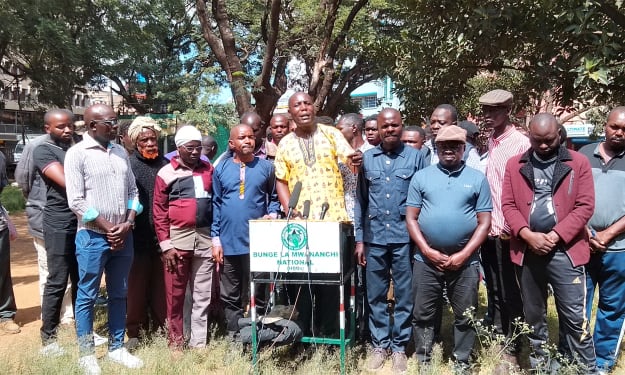
Bunge la Mwananchi Leadership Led by chairman Lawrence Oyugi Denounces BBC's 'Blood Parliament' Documentary as a Western Conspiracy
Nairobi, May 1, 2025 — In a forceful statement issued today at Jivanjee Garden, Bunge La Mwananchi Chairman Lawrence Oyugi publicly condemned the British Broadcasting Corporation (BBC) for airing a controversial documentary titled “Blood Parliament of Kenya.” The documentary, which investigates alleged corruption, tribal conflicts, and violence within Kenya’s political landscape, has sparked widespread debate across the country. However, Oyugi’s statement took a sharply critical tone, accusing the BBC of being part of a broader Western conspiracy aimed at destabilizing Kenya’s government.
By Emmanuel Busera9 months ago in Humans
Oleg Belay and the TRINFICO Investment Group: Strategy, Development, and Crisis Resilience
How Was the TRINFICO Investment Group Formed Under Market Conditions? Russia’s financial market in the early 1990s developed amid high uncertainty and the absence of stable rules. The national economy was transitioning to a new model, while entrepreneurs had to operate in an environment where the regulatory framework was only beginning to take shape. It was during this period that Oleg Belay began his professional path, with the emerging market becoming a space for exploration and hands-on experience.
By Pavlo Chairkays5 days ago in Humans


Comments
There are no comments for this story
Be the first to respond and start the conversation.