
Bunge la Mwananchi Leadership Led by chairman Lawrence Oyugi Denounces BBC's 'Blood Parliament' Documentary as a Western Conspiracy
Bunge La Mwananchi Leadership Critiques Allegations Against Kenyan Leadership in Controversial Film
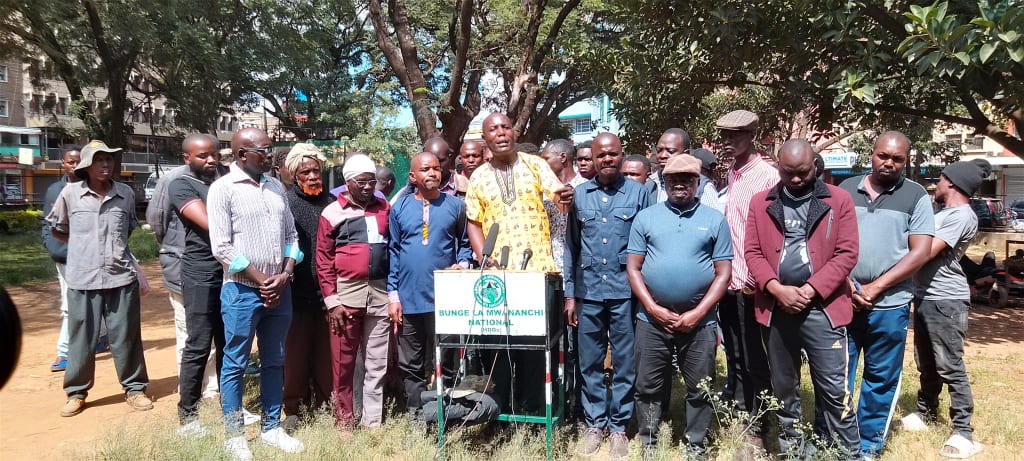
Nairobi, May 1, 2025 — In a forceful statement issued today at Jivanjee Garden, Bunge La Mwananchi Chairman Lawrence Oyugi publicly condemned the British Broadcasting Corporation (BBC) for airing a controversial documentary titled “Blood Parliament of Kenya.” The documentary, which investigates alleged corruption, tribal conflicts, and violence within Kenya’s political landscape, has sparked widespread debate across the country. However, Oyugi’s statement took a sharply critical tone, accusing the BBC of being part of a broader Western conspiracy aimed at destabilizing Kenya’s government.
Allegations of Western Interference and Manipulation
In his press release, Oyugi alleged that the BBC’s documentary was not merely investigative journalism but a calculated move by Western powers, particularly the United Kingdom, to manipulate Kenyan public opinion. He claimed that the documentary implicates the British monarchy and the British High Commissioner to Kenya Neil Wigan, , in a plot to undermine President William Ruto’s government. Oyugi accused the British government of deliberately orchestrating the production of the documentary to stoke ethnic tensions and public outrage, thereby diverting attention from internal issues and political progress.
“The BBC, under the influence of foreign interests, has once again chosen to sow discord among our people. This documentary is not about truth; it’s about incitement, division, and destabilization,” Oyugi stated passionately. “We see the hand of the British monarchy, with King Charles III, and their representatives, including Neil Wigan, in this malicious campaign. They seek to weaken our nation at a time when we are forging stronger ties with the East, particularly China.”
Linking the Documentary to Kenya’s Foreign Policy Shifts
Oyugi’s remarks come amid increasing concerns within Kenyan political circles over President William Ruto’s recent diplomatic outreach to China. Ruto’s visit to Beijing to meet Chinese President Xi Jinping has been viewed by some Western observers as a shift away from traditional Western allies and a move towards strengthening Kenya’s economic and strategic ties with China. The chairman of Bunge La Mwananchi argued that this trip has not sat well with Western powers, who he claims are uncomfortable with Kenya’s pivot to the East.
“The documentary is a smoke screen, a deliberate attempt to rekindle old colonial sentiments and turn Kenyans against their government,” Oyugi said. “It’s a distraction from the real issues — corruption, development, and sovereignty. The West, especially Britain, is uncomfortable with our independence and our growing relations with China, and they are using this documentary to incite our people against Ruto’s government.”
Claims of Historical Atrocities and National Healing
Oyugi further alleged that the timing of the documentary is suspicious, coming at a moment when Kenya is trying to move beyond its turbulent past. He referenced the “Gen Z deaths,” a term he used to describe recent incidents of violence and unrest involving Kenya’s youth, which he claims have been "healed" and forgotten by the public. The Bunge La Mwananchi leader accused Western media and interests of attempting to reopen these wounds to create chaos.
“The atrocities of the past, including ethnic violence and political interference, should not be exploited to divide us again,” Oyugi emphasized. “Kenya has made significant progress in healing old wounds. This documentary is an attempt to undo that progress, to reawaken old fears and divisions for political gain.”
Official Response and Calls for Unity
The Kenyan government has yet to issue an official response to the allegations made by Oyugi, but the controversy has ignited a heated debate on social media and in political circles. Many Kenyans are divided, with some sympathizing with Oyugi’s calls for national unity and sovereignty, while others argue that the documentary raises important issues that deserve scrutiny.
Meanwhile, the British High Commissioner to Kenya, Neil Wigan , is yet to issue a statement distancing himself from the controversy.
Historical Context and Future Implications
Kenya’s relationship with Britain remains complex, rooted in its colonial history and ongoing diplomatic ties. In recent years, there has been a growing push among sections of Kenyan society to assert greater sovereignty and reduce dependence on former colonial powers. Oyugi’s accusations reflect this sentiment, framing Western media as a tool of covert influence.
Analysts warn that such allegations, if left unaddressed, could deepen divisions within Kenya and hinder efforts at national cohesion. They also highlight the importance of media freedom and responsibility, urging the public to critically evaluate the motives behind such documentaries and claims.
Conclusion
As Kenya grapples with the fallout from the BBC documentary, the calls from Bunge La Mwananchi and other civic actors for national unity and sovereignty resonate strongly. Lawrence Oyugi’s fiery condemnation underscores the ongoing tensions between Kenya’s desire for independence and the perceived meddling of foreign powers. Whether these claims will influence policy or public opinion remains to be seen, but one thing is clear — the debate over Kenya’s sovereignty, history, and future is far from over.
About the Creator
Keep reading
More stories from Emmanuel Busera and writers in Humans and other communities.
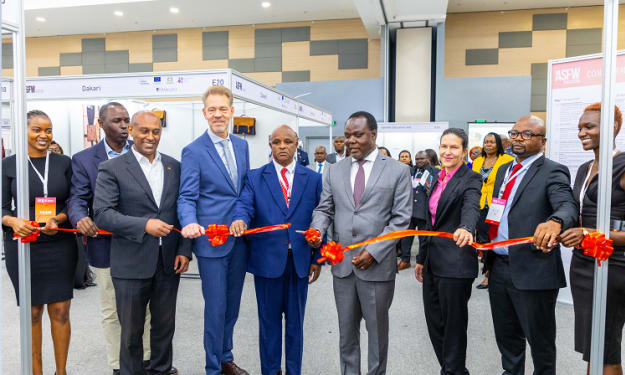
Africa Sourcing and Fashion Week Nairobi 2025 Concludes with Strong International Turnout and Growing Industry Impact
Nairobi, Kenya — Africa Sourcing and Fashion Week (ASFW) Nairobi 2025 wrapped up its three-day showcase on April 26, leaving behind a trail of international enthusiasm, burgeoning industry collaborations, and a clear signal of East Africa’s rising prominence in the global textile, leather, and fashion sectors. This year’s edition, marked by impressive participation from across the globe, reaffirmed Nairobi’s position as the continent’s leading sourcing hub for fashion and manufacturing.
By Emmanuel Busera9 months ago in Humans


Comments
There are no comments for this story
Be the first to respond and start the conversation.