
Borrowed Emotions: Are Your Feelings Truly Yours?
"How Society, Social Media, and Others Shape Your Emotional Reality."

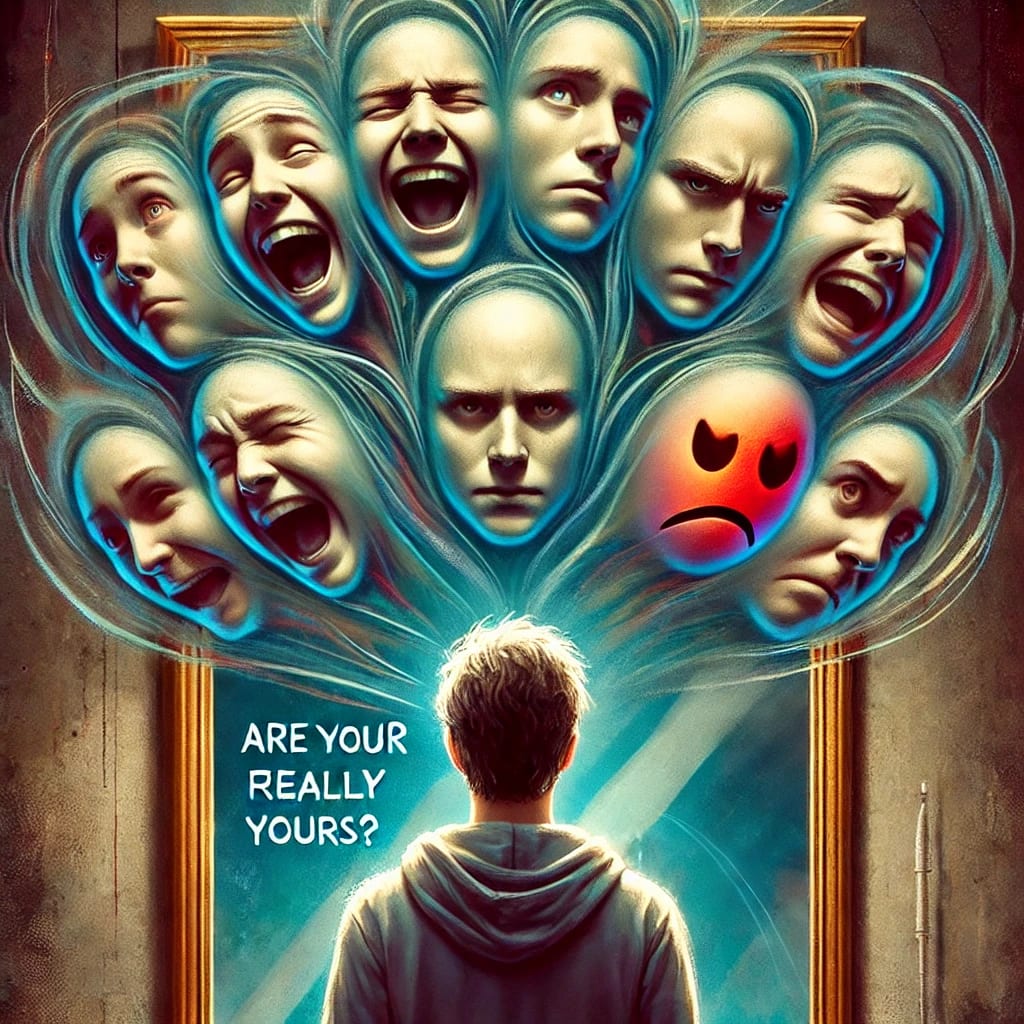
How Society, Social Media, and Others Shape What You Feel
Have you ever stopped to ask yourself, “Are my emotions truly mine, or am I just absorbing what the world around me expects me to feel?”
In today’s hyper-connected world, emotions aren’t just personal—they’re often borrowed. Social media, friends, family, and societal norms all influence how we think, react, and feel. We experience happiness when others say we should, anger when the internet tells us to be outraged, and sadness over things we didn’t even care about a moment ago.
But what happens when you can’t tell the difference between your authentic emotions and those shaped by external forces? The answer: You lose control over your own mental state.
This article explores how society programs your emotions, how to recognize when you’re being influenced, and most importantly—how to reclaim your own emotional identity.
1. The Invisible Influence: How We Absorb Emotions from Others
Humans are social creatures. We don’t just communicate with words; we mirror each other’s emotions. Psychologists call this emotional contagion—the subconscious tendency to absorb and reflect the emotions of those around us.
How It Works:
Mirror Neurons: Our brain contains specialized neurons that cause us to mimic others’ emotions. This is why laughter is contagious, and why you might feel uneasy in a room full of anxious people.
Social Validation: We unconsciously align our emotions with those of our social circles because belonging feels safe.
Media Amplification: The news, viral tweets, and trending topics dictate what we should feel strongly about—even when it has no direct impact on our lives.
Ever noticed how your mood shifts after spending time with certain people? You might be picking up borrowed emotions without realizing it.
Action Step:
Start asking yourself: “Am I feeling this way because I truly feel it, or because everyone around me does?” Awareness is the first step to emotional independence.
2. The Social Media Effect: Manufactured Happiness and Outrage
Social media is a powerful emotional manipulator. It dictates what’s worth celebrating, what’s worth fearing, and what should make us angry.
The Pressure to Be Happy: Instagram and TikTok are filled with perfect vacations, flawless relationships, and luxury lifestyles. The result? We feel pressure to be happy, even when we’re not.
Outrage Culture: Platforms like Twitter/X thrive on controversy. Trending topics tell us what to be angry about, creating cycles of outrage that often do not align with our personal values.
Emotional Overload: We consume more emotional stimuli in one day than previous generations did in weeks. This constant stream of feelings makes it hard to distinguish what truly matters.
Action Step:
Take breaks from social media. If a topic makes you feel extreme emotions, pause and reflect before reacting. Ask: Would I care about this if I hadn’t seen it online?
3. The Expectations Trap: Are You Feeling What Society Wants You to Feel?
From a young age, society teaches us what emotions are acceptable based on culture, gender, and tradition.
Men are taught to suppress sadness and show strength.
Women are often expected to be nurturing and avoid expressing anger.
Certain emotions, like jealousy or fear, are labeled as “bad” and discouraged.
But emotions are neither good nor bad—they are just information. Suppressing them or feeling guilty for experiencing them only leads to emotional repression.
How to Break Free:
Give yourself permission to feel whatever you feel, without judgment.
Ask: “Do I actually believe this, or was I taught to feel this way?”
4. How to Reclaim Your Own Emotions
Becoming emotionally independent doesn’t mean ignoring external influences. It means recognizing them and choosing what to internalize.
A. Develop Emotional Awareness
Keep a journal of your emotions and identify patterns.
Notice when your mood changes suddenly—was it triggered by external sources?
B. Limit Emotional Triggers
Unfollow social media accounts that manipulate emotions.
Reduce exposure to negativity—whether from news, toxic friendships, or online debates.
C. Strengthen Your Own Emotional Voice
Practice mindfulness to separate your emotions from outside influences.
Before reacting, pause and ask: Is this truly how I feel? Or am I being influenced?
D. Surround Yourself with Emotionally Healthy People
Just as emotions are contagious, so is emotional stability. Spend time with people who encourage self-awareness and independent thinking.
Final Thoughts: Your Emotions, Your Power
Emotions should be a reflection of your personal experiences, values, and desires—not what social media, society, or others dictate. By becoming aware of borrowed emotions, you regain control over your mental and emotional well-being.
Next time you feel overwhelmed by an emotion, ask yourself:
Is this really mine?
Would I feel this way if no one told me to?
Because the moment you start filtering what you internalize, you take back ownership of your own mind.
About the Creator
Ahmet Kıvanç Demirkıran
As a technology and innovation enthusiast, I aim to bring fresh perspectives to my readers, drawing from my experience.
Keep reading
More stories from Ahmet Kıvanç Demirkıran and writers in Humans and other communities.
The Butterfly Effect
One Decision Can Change Everything Have you ever wondered how a single moment, a small choice, or a seemingly insignificant event could alter the entire course of your life? This concept is known as The Butterfly Effect—a theory that suggests small actions can have far-reaching, unexpected consequences.
By Ahmet Kıvanç Demirkıran11 months ago in Humans
Minnesota and Illinois Invoke the 10th Amendment in Lawsuits to Block Federal Agents in Their Cities — Here’s Why That Matters
States Push Back Against Federal Enforcement Minnesota and Illinois have launched high-profile lawsuits invoking the 10th Amendment of the US Constitution in an effort to block or limit the actions of federal agents—particularly immigration enforcement officers—operating within their cities. The legal challenges mark a significant escalation in the long-running conflict between state governments and Washington over who has the authority to enforce immigration laws and how far federal power can reach.
By Aarif Lashari3 days ago in Humans



Comments
There are no comments for this story
Be the first to respond and start the conversation.