
Minnesota and Illinois Invoke the 10th Amendment in Lawsuits to Block Federal Agents in Their Cities — Here’s Why That Matters
A constitutional showdown over immigration enforcement, state power, and federal authority
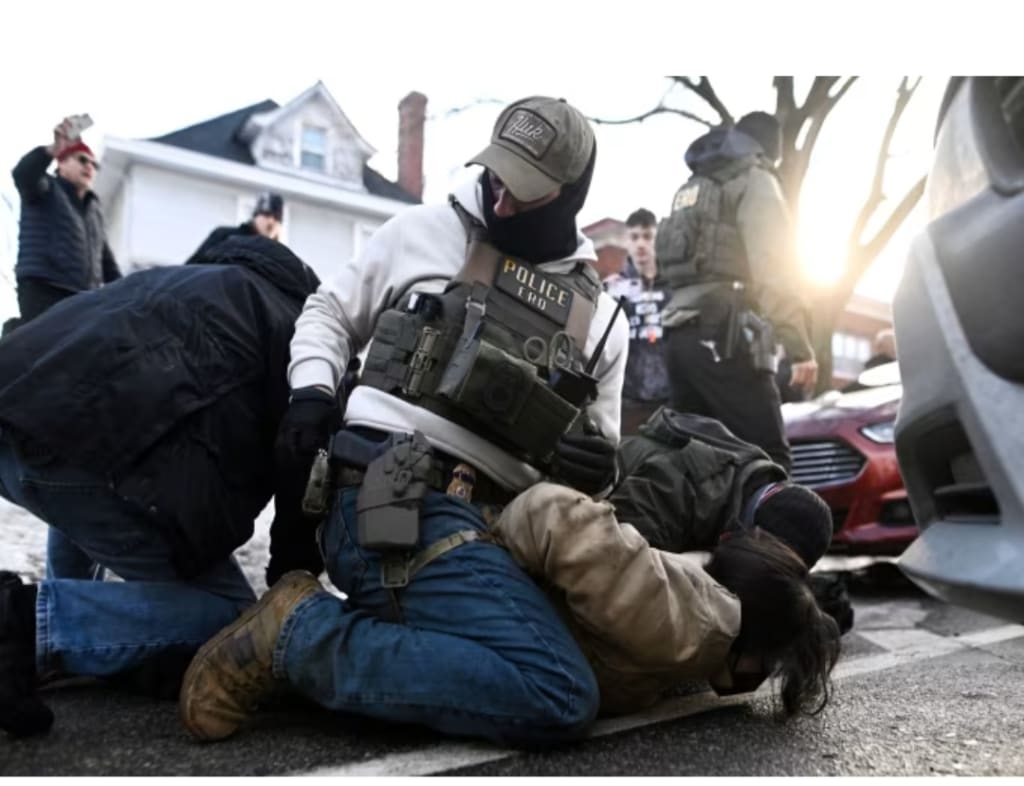
States Push Back Against Federal Enforcement
Minnesota and Illinois have launched high-profile lawsuits invoking the 10th Amendment of the US Constitution in an effort to block or limit the actions of federal agents—particularly immigration enforcement officers—operating within their cities. The legal challenges mark a significant escalation in the long-running conflict between state governments and Washington over who has the authority to enforce immigration laws and how far federal power can reach.
At the heart of the dispute is a fundamental constitutional question: Can the federal government compel states to assist—or stand aside—while federal agents carry out enforcement actions that local leaders oppose?
What the 10th Amendment Says — and Why It’s Powerful
The 10th Amendment is one of the shortest but most consequential provisions in the Constitution. It states that powers not delegated to the federal government are reserved to the states or the people.
In practice, this amendment has become a cornerstone of arguments against what states view as federal overreach. Minnesota and Illinois argue that while the federal government has authority over immigration, it cannot force states or local governments to participate, cooperate, or allocate resources to federal enforcement efforts.
This principle—often referred to as the anti-commandeering doctrine—has been upheld by the US Supreme Court in several landmark cases.
What Triggered the Lawsuits
The lawsuits were filed after a noticeable increase in the presence and activity of federal agents in major cities, including Minneapolis, Chicago, and surrounding urban areas. State officials say the surge occurred without meaningful coordination and directly conflicted with state and local policies designed to protect community trust.
Governors and attorneys general from both states argue that aggressive federal operations undermine public safety by making immigrants afraid to report crimes, cooperate with police, or seek emergency services.
“This is not about obstructing the law,” said one state official. “It’s about defending our constitutional right to govern our own communities.”
How the States Are Framing Their Legal Argument
Minnesota and Illinois are not claiming the power to stop federal agents outright. Instead, their lawsuits focus on three key points:
States cannot be compelled to assist federal enforcement
The lawsuits argue that federal agencies cannot require state or local law enforcement to help identify, detain, or transfer individuals.
Local policies must be respected
Sanctuary-style laws that limit cooperation with federal immigration authorities are presented as lawful exercises of state authority.
Federal actions cannot commandeer state resources
The states claim federal operations have placed financial, administrative, and public safety burdens on local governments without consent.
Legal scholars say this strategy aligns closely with existing Supreme Court precedent.
The Federal Government’s Response
Federal officials maintain that immigration enforcement is a core federal responsibility and that agents have the legal authority to operate anywhere in the United States.
A spokesperson for the Department of Homeland Security said federal agents “do not require permission from states to enforce federal law” and accused sanctuary policies of interfering with national security and border control.
However, the federal government has historically struggled in court when attempting to force state cooperation, especially when states rely on the 10th Amendment.
Why This Matters Beyond Immigration
While immigration is the immediate issue, experts say these lawsuits could have far-reaching implications for the balance of power in the US.
If Minnesota and Illinois succeed, it would reinforce limits on federal authority across multiple areas, including:
Gun regulation enforcement
Drug policy and marijuana legalization
Environmental regulation
Public health mandates
Conversely, a federal victory could weaken states’ ability to resist future federal directives, regardless of political alignment.
Supreme Court Precedent Favors the States
The Supreme Court has repeatedly ruled that the federal government cannot commandeer state governments to carry out federal policies. Key cases include:
Printz v. United States (1997) – States cannot be required to enforce federal gun laws
Murphy v. NCAA (2018) – Federal government cannot prohibit states from enacting their own policies
These rulings form the legal backbone of Minnesota and Illinois’ arguments, making the lawsuits difficult for the federal government to dismiss outright.
Political Reactions and Public Debate
Supporters of the lawsuits argue they protect civil liberties and democratic accountability. Immigrant advocacy groups have praised the states for standing up to what they describe as fear-based enforcement tactics.
Critics, however, accuse state leaders of playing politics and obstructing federal law enforcement. Conservative lawmakers argue that inconsistent enforcement across states undermines national immigration policy and creates “safe havens” for criminals.
Public opinion remains divided, reflecting broader national polarization on immigration and federal power.
Impact on Cities and Communities
City officials say the lawsuits are about more than legal theory—they’re about day-to-day governance. Police departments in both states report that cooperation with federal agents has strained relationships with immigrant communities.
“When people are afraid of any badge, everyone is less safe,” said one city police chief.
Local leaders argue that community-based policing depends on trust, and aggressive federal operations erode that foundation.
What Happens Next
The lawsuits are expected to move through federal courts over the coming months, with possible appeals that could eventually reach the Supreme Court.
In the meantime, federal agents are likely to continue operating, though states may restrict access to local facilities, data systems, and personnel.
Legal analysts say the outcome could redefine how federal enforcement works in states that openly resist Washington’s approach.
Conclusion: A Defining Test of Federalism
Minnesota and Illinois invoking the 10th Amendment is not just a legal maneuver—it is a direct challenge to the scope of federal power in modern America.
At stake is a core principle of US governance: whether states can chart their own course in protecting residents and shaping public safety, even when federal priorities differ.
As courts weigh these arguments, the decisions will shape not only immigration enforcement, but the future of American federalism itself—determining where Washington’s authority ends and where state sovereignty begins.
About the Creator
Keep reading
More stories from Aarif Lashari and writers in Humans and other communities.
Niagara Falls Has Frozen Over and It’s a Breathtaking Icy Wonderland
Niagara Falls has always been synonymous with raw power—thundering water, mist rising into the air, and a constant reminder of nature’s unstoppable force. But every so often, winter rewrites that familiar story. When temperatures plunge far below freezing, Niagara Falls undergoes a transformation so dramatic that it feels almost unreal. The waterfalls don’t stop flowing entirely, but the surrounding landscape freezes into an icy wonderland that looks like something pulled straight from a fantasy novel.
By Aarif Lashari18 days ago in Humans
5 Things to Know About Intensive Outpatient Care and How It Works
Intensive outpatient care has become an important treatment option for individuals seeking support for substance use or mental health challenges without entering residential treatment. This level of care offers structured therapy while allowing people to maintain daily responsibilities such as work, school, and family life.
By Jordan Blake5 days ago in Humans




Comments
There are no comments for this story
Be the first to respond and start the conversation.