
Bananas in Peril: The Climate Crisis and Its Impact on a Global Staple
Rising Temperatures and Changing Rainfall Patterns Put Global Banana Production in Jeopardy

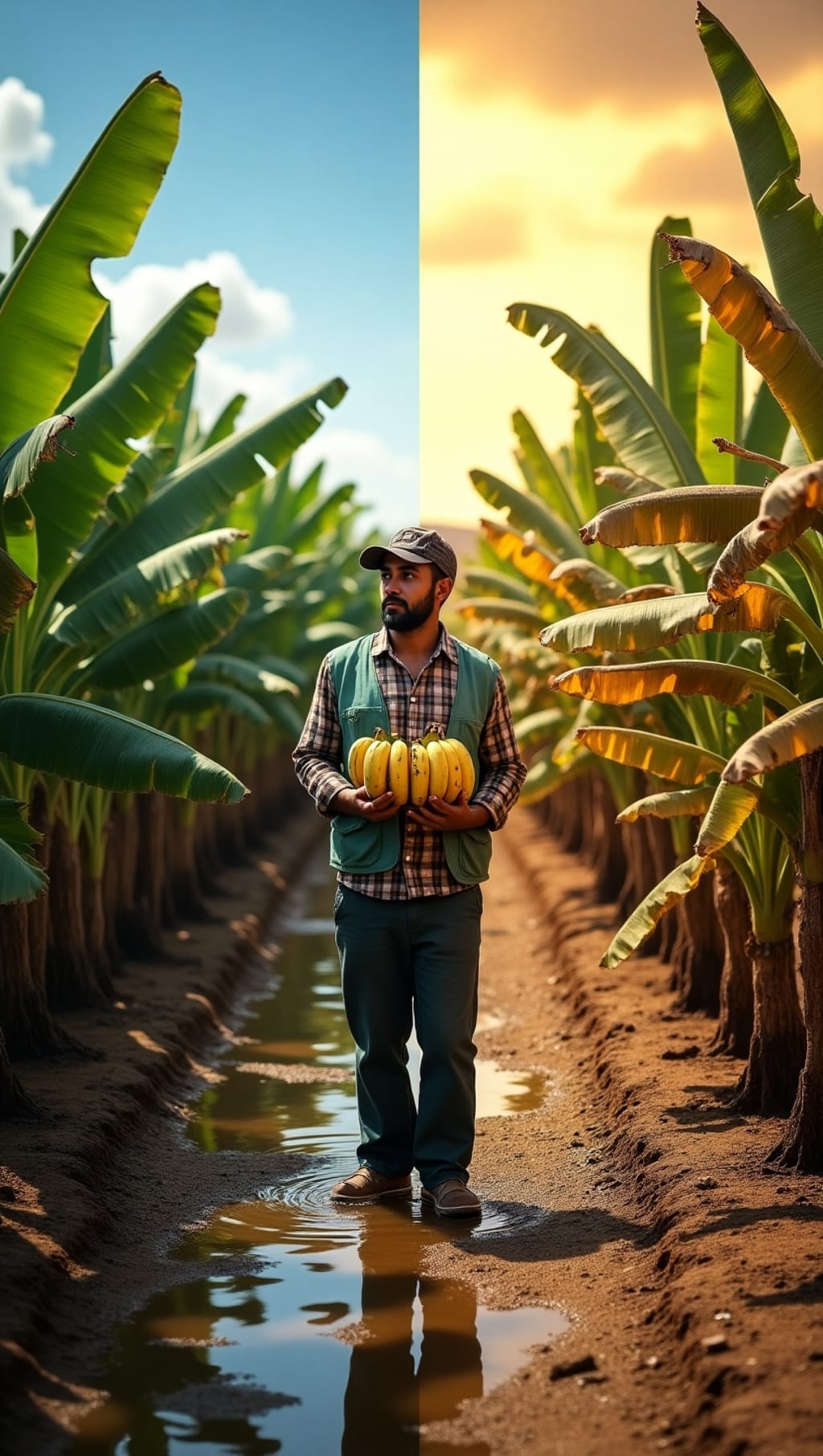
Bananas are more than just a fruit—they are a vital part of the global food supply, a cultural staple, and a key source of income for millions of farmers. But this beloved yellow fruit is under serious threat. As the climate crisis escalates, banana cultivation is becoming increasingly difficult, and the world may soon face rising prices, supply shortages, and profound changes in agricultural systems that have long been taken for granted.
From the sun-drenched plantations of Latin America to the tropical farms of Africa and Southeast Asia, banana crops are showing signs of stress. The changing climate—marked by erratic rainfall, rising temperatures, prolonged droughts, and more frequent extreme weather events—is undermining the delicate environmental balance bananas depend on to thrive.
This article explores how the climate crisis is endangering global banana cultivation, what that means for farmers and consumers, and what can be done to protect one of the world’s most widely consumed fruits.
The Importance of Bananas in the Global Food Chain
Bananas are the world’s fourth most important staple crop after rice, wheat, and corn. They are consumed by billions of people across every continent and are particularly vital in developing countries, where they provide essential calories and nutrients for low-income households.
Globally, over 100 billion bananas are consumed each year. In countries like Uganda, Rwanda, and Burundi, per capita banana consumption exceeds 200 kg annually, making it a primary source of food and livelihood. The banana industry also supports millions of jobs, particularly in countries like Ecuador, Colombia, the Philippines, and Costa Rica, which are leading exporters.
But bananas are not just an economic commodity—they are deeply rooted in culture and tradition. In many parts of the world, bananas are used in ceremonies, religious rituals, and as symbolic gifts. Their threatened future, therefore, has implications far beyond nutrition and economics.
Climate Change: A Growing Threat to Banana Cultivation
Banana plants require consistent tropical conditions: warm temperatures (typically between 26–30°C), high humidity, and well-distributed rainfall throughout the year. Even small deviations from these conditions can lead to reduced yields or complete crop failure.
However, these ideal conditions are becoming increasingly rare. Here’s how climate change is affecting banana production:
1. Rising Temperatures
Extreme heat can cause banana plants to stop growing, reduce fruit size, or accelerate ripening before full maturity. As temperatures in many banana-growing regions surpass optimal thresholds, yields are already being affected.
According to the Intergovernmental Panel on Climate Change (IPCC), tropical areas are expected to experience an average temperature increase of 1.5–2°C in the coming decades. For banana plantations, this could significantly shrink the areas suitable for cultivation.
2. Altered Rainfall Patterns
Banana plants are highly sensitive to water availability. Too little rainfall leads to drought stress, affecting plant development and fruit quality. Too much rainfall can cause root diseases and soil erosion, wash away nutrients, and make harvesting difficult.
In places like Central America and the Caribbean, changing rainfall patterns have already caused significant disruption. Farmers report more frequent and intense dry spells, followed by sudden storms that flood fields and destroy crops.
3. Increased Frequency of Extreme Weather Events
Hurricanes, cyclones, and tropical storms are increasing in intensity due to climate change. These events can flatten entire banana plantations overnight. In 2020, Hurricane Eta and Hurricane Iota ravaged banana farms in Honduras and Nicaragua, causing hundreds of millions of dollars in losses.
4. The Spread of Plant Diseases and Pests
Changing climate conditions also foster the spread of pests and diseases that thrive in warmer and wetter environments. One of the most concerning threats is Fusarium wilt Tropical Race 4 (TR4), also known as Panama Disease—a soil-borne fungal disease that is decimating banana plantations worldwide.
TR4 is particularly devastating to the Cavendish banana—the most widely exported and consumed variety globally. As temperatures rise and rainfall increases, TR4 and other pathogens are spreading to new regions faster than ever before, with few effective countermeasures available.
The Human Cost: Impact on Farmers and Economies
Smallholder farmers, who produce around 85% of the world’s bananas, are among the hardest hit. Many lack the resources, infrastructure, and access to climate-resilient farming techniques needed to adapt to these new challenges. Reduced yields and crop failures translate directly into income loss, food insecurity, and in some cases, the abandonment of banana farming altogether.
Exporting countries also face significant economic risks. In Ecuador, bananas are the top agricultural export, accounting for over $3 billion in revenue annually. A climate-related collapse in banana production could destabilize national economies, disrupt labor markets, and increase social vulnerability.
What Can Be Done? Building a More Resilient Banana Future
Despite these daunting challenges, there is hope. Scientists, farmers, and policy-makers around the world are working on strategies to protect banana cultivation from climate change. Key areas of focus include:
1. Developing Climate-Resilient Banana Varieties
Researchers are developing new banana cultivars that are more resistant to heat, drought, and disease. Some alternatives to the Cavendish banana—such as the Gros Michel and hybrid varieties—are being reintroduced and studied for commercial viability.
Biotechnology is also playing a role. Genetically modified bananas that are resistant to TR4 and more tolerant of climate stress are in development, though they face regulatory and consumer acceptance challenges.
2. Adopting Sustainable Farming Practices
Agroecological approaches—such as intercropping, mulching, organic fertilization, and water-conserving irrigation—can improve soil health and resilience against climate variability. Training and support for smallholder farmers are essential to promote these methods.
3. Strengthening Early Warning Systems and Disaster Response
Improving weather forecasting and establishing early warning systems can help farmers prepare for extreme weather events and reduce losses. Access to crop insurance and emergency funds can also provide financial security in times of crisis.
4. Diversifying Income Sources
Encouraging farmers to grow multiple crops can reduce dependency on bananas and spread risk. Integrated farming systems that include vegetables, legumes, or livestock are more resilient to climate shocks.
A Fruit Worth Fighting For
Bananas are more than just a convenient snack—they are a critical lifeline for millions of people and a symbol of tropical abundance. As the climate crisis deepens, protecting banana cultivation must become a priority within broader efforts to build sustainable, climate-resilient agricultural systems.
Consumers, too, have a role to play—by supporting sustainable brands, reducing food waste, and advocating for policies that address climate change and protect vulnerable farming communities.
The future of the banana may depend on whether we act swiftly and boldly to confront the growing climate emergency. If we don’t, we may soon find our fruit bowls emptier—and millions of lives uprooted.
About the Creator
Keep reading
More stories from Habibullah khan and writers in Humans and other communities.
May Day Mobilization: The Fight for Workers' Rights in the U.S
Each year on May 1st, workers across the globe raise their voices in solidarity to commemorate International Workers’ Day, also known as May Day. In the United States, the day holds deep historical and symbolic significance—born from the labor struggles of the late 19th century and reignited in recent decades as a platform for demanding fair wages, better working conditions, and workers' rights.
By Habibullah khan 8 months ago in Humans




Comments
There are no comments for this story
Be the first to respond and start the conversation.