
May Day Mobilization: The Fight for Workers' Rights in the U.S
Workers Unite for Fair Wages and Rights

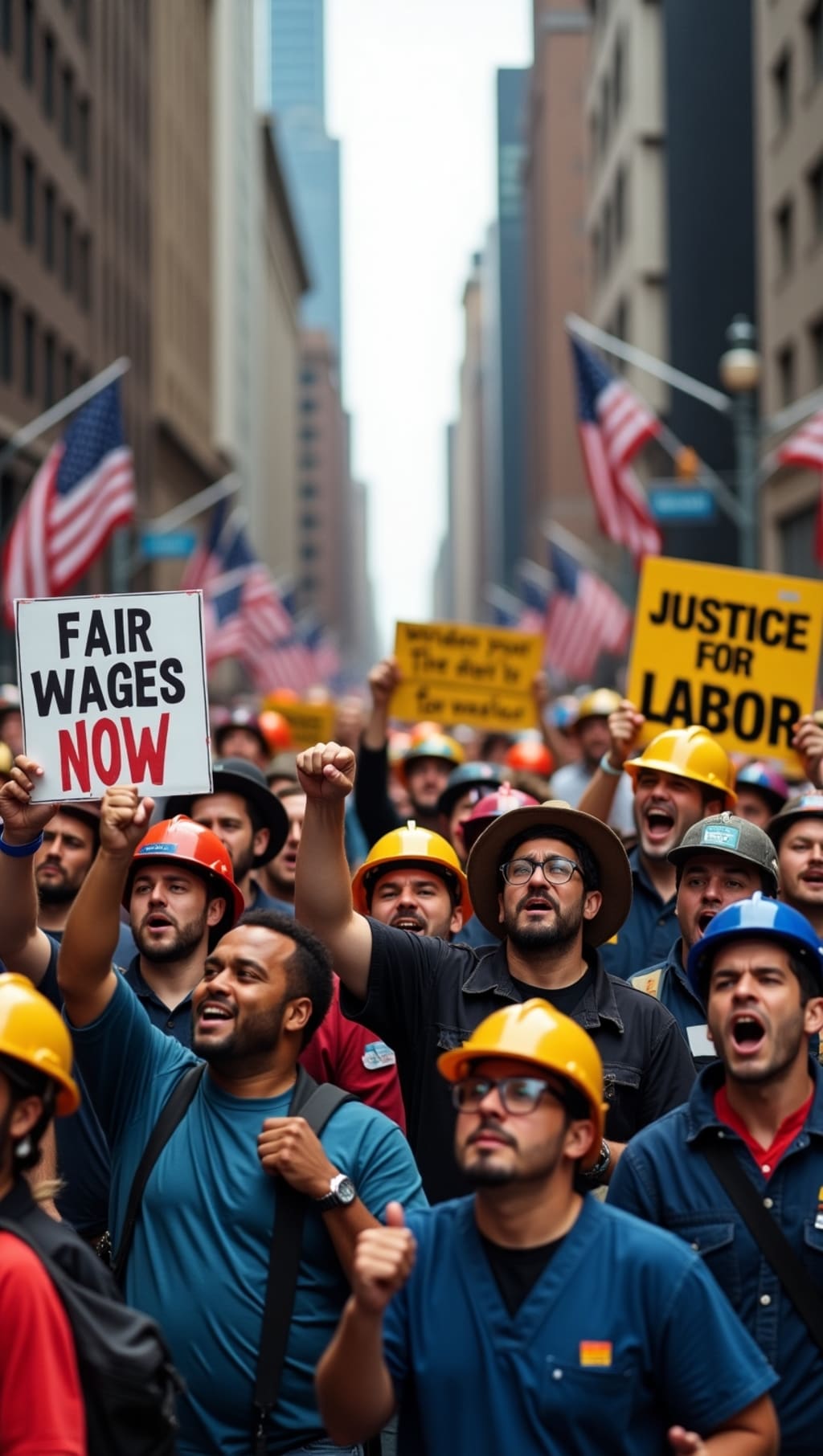
Each year on May 1st, workers across the globe raise their voices in solidarity to commemorate International Workers’ Day, also known as May Day. In the United States, the day holds deep historical and symbolic significance—born from the labor struggles of the late 19th century and reignited in recent decades as a platform for demanding fair wages, better working conditions, and workers' rights.
May Day in the U.S. is not just a protest—it is a movement, a moment of mobilization where people from all walks of life rally under a shared banner: dignity, equity, and justice for laborers.
The Historical Roots of May Day
May Day’s roots can be traced back to the labor movement in the U.S. during the Industrial Revolution, particularly the 1886 Haymarket Affair in Chicago—a turning point in the fight for the eight-hour workday. What began as a peaceful protest for fair labor standards ended in tragedy, but it galvanized a global movement for workers’ rights.
Despite its origins in the U.S., May Day was long downplayed or overlooked domestically due to its association with socialist and communist movements, especially during the Cold War. However, in the 21st century, May Day has been embraced anew, especially by immigrant communities, unions, and grassroots organizations.
Modern May Day: A Resurgence of Labor Solidarity
In the 2000s, May Day began to re-emerge as a powerful day of protest in the United States, particularly with the historic 2006 “A Day Without Immigrants” demonstrations. Since then, it has become an annual day of action encompassing a wide range of issues including:
Living wages and the federal minimum wage
Health and safety protections for essential workers
Support for labor unions and collective bargaining rights
Racial and economic justice
Immigrant rights and protections for undocumented workers
May Day protests now bring together diverse coalitions—retail workers, delivery drivers, teachers, healthcare professionals, farm laborers, gig workers, and more. They unite not only to highlight their struggles but also to push for systemic reform and economic justice.
Workers Demand Fairness in a Changing Economy
The 21st-century American economy is characterized by increased automation, gig work, and corporate consolidation—developments that have benefited some but left many behind. Millions of workers continue to experience:
Stagnant wages despite rising productivity and living costs
Precarious employment with no benefits or job security
Unsafe working conditions, particularly during crises like the COVID-19 pandemic
Union-busting tactics and anti-labor legislation
In this context, May Day serves as a clarion call. Protesters demand a federal minimum wage of at least $15/hour, the right to organize without retaliation, and access to healthcare and paid leave—basic dignities still not guaranteed to all American workers.
Voices from the Frontlines
One of the defining features of May Day is the amplification of voices that are often marginalized. Immigrant workers, in particular, play a central role in the U.S. labor force but often face exploitation and lack legal protections. Many May Day events include marches, speeches, and storytelling that spotlight the contributions and challenges of undocumented laborers in agriculture, hospitality, and domestic work.
“May Day is a reminder that we are the backbone of this country,” said Ana Reyes, a domestic worker and organizer in Los Angeles. “We clean your homes, care for your elders, harvest your food—and yet, we are treated as disposable. We march to demand our humanity be recognized.”
Organizing and Solidarity in the Digital Age
While May Day remains rooted in physical demonstrations, digital platforms now play a crucial role in mobilization. Livestreams, social media campaigns, and digital petitions allow organizers to reach broader audiences and create coalitions across state lines and even borders.
Unions like the Service Employees International Union (SEIU) and grassroots organizations like Fight for $15 have used May Day to launch national campaigns, pressure lawmakers, and organize strikes and walkouts at major corporations like Amazon, McDonald’s, and Walmart.
The Role of Youth and Intersectionality
Younger generations are increasingly engaging with labor movements, often through the lens of intersectionality—recognizing that labor rights are inseparable from other social issues such as racial justice, climate change, and gender equity. Student groups, climate activists, and racial justice organizations frequently join May Day actions, emphasizing solidarity across causes.
“Workers’ rights are human rights,” said Jamal Carter, a student activist from Chicago. “May Day is about more than just jobs—it’s about building a just and livable society for everyone.”
A Path Forward
As we look to the future, the May Day movement in the U.S. is poised to grow. The pandemic laid bare the deep inequalities in the labor system, and public sentiment is shifting. A recent surge in unionization efforts—at Starbucks, Amazon warehouses, and even tech companies—signals a renewed interest in collective power.
However, real change requires more than one day of protest. It demands sustained pressure, legislation, and cultural change. Policies like the PRO Act, which would expand workers’ rights to unionize, and broader conversations around universal basic income, healthcare, and labor protections for gig workers, are now part of the national discourse—thanks in part to the visibility created by May Day activism.
Conclusion
May Day Mobilization: The Fight for Workers’ Rights in the U.S. is more than an annual tradition—it’s a testament to the enduring struggle for dignity in the workplace. It’s about recognizing the hands that build our cities, stock our shelves, care for our families, and power our economy.
On May 1st, the streets echo with chants of solidarity, but the message must resonate beyond that day: Fair wages, safe conditions, and the right to organize are not privileges—they are fundamental rights.
And as long as injustice exists in the workplace, the mobilization will continue.
About the Creator
Keep reading
More stories from Habibullah khan and writers in Humans and other communities.
World Health Assembly Convenes Amid Global Health Challenges
In a world reshaped by pandemics, climate emergencies, and widening health inequities, global cooperation is no longer optional—it is essential. This urgency frames the backdrop for the 78th World Health Assembly (WHA), convening from May 19 to May 27, 2025, in Geneva, Switzerland. Organized by the World Health Organization (WHO), the Assembly brings together health ministers, global experts, and delegates from all 194 WHO member states.
By Habibullah khan 10 months ago in Humans
Reed Blankenship: The Quiet Journey From Underdog to NFL Starter
Some football careers begin with national attention and five-star rankings. Others begin quietly, far away from the spotlight. The story of Reed Blankenship belongs to the second path. He was not the most famous recruit. He did not enter college with headlines or huge expectations. Instead, his journey was built on patience, discipline, and years of steady work that few people noticed. Today, fans who watch Reed Blankenship on an NFL field see confidence, intelligence, and determination in every play. But those moments are the result of a long road filled with doubts, small opportunities, and relentless effort. His rise shows that success in football is not always about early hype. Sometimes it comes from persistence, preparation, and the courage to keep chasing a dream.
By Muqadas khan5 days ago in Humans




Comments
There are no comments for this story
Be the first to respond and start the conversation.