
Arteries
The Life-Giving Highways of the Human Body

Arteries are the unsung heroes of the circulatory system, working tirelessly to ensure that every cell in the body receives the oxygen and nutrients it needs to thrive. These blood vessels form a vast and intricate network that connects the heart to the rest of the body, playing a critical role in sustaining life. In this article, we’ll explore the fascinating functions of arteries, their direct connection to the heart, and their expansive network within the human body.
What Are Arteries and Their Key Functions?
Arteries are blood vessels that carry oxygen-rich blood away from the heart to various tissues and organs. Their primary functions include:
Oxygen Delivery: Arteries transport oxygenated blood from the lungs, via the heart, to all body parts. This oxygen is essential for cellular energy production and overall function.
Nutrient Transport: Along with oxygen, arteries deliver nutrients such as glucose, amino acids, and hormones that cells need for growth, repair, and communication.
Waste Removal Support: Arteries work in tandem with veins to ensure carbon dioxide and other metabolic wastes are removed efficiently, maintaining a clean internal environment.
Pressure Regulation: Arterial walls are elastic and muscular, enabling them to regulate blood pressure and ensure a steady flow of blood.
Arteries and Their Connection to the Heart
The heart is the powerhouse that propels blood through the arterial network. Here’s how arteries connect to the heart:
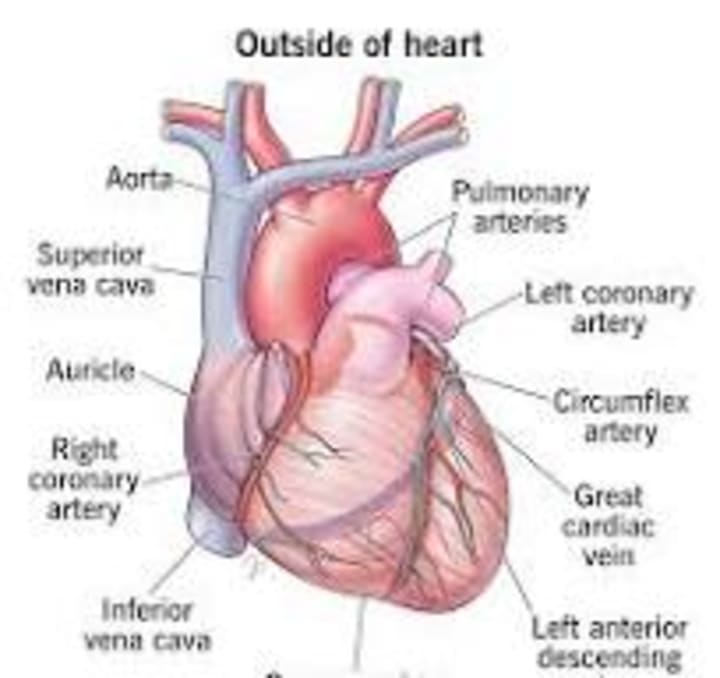
The Aorta: The largest artery in the body, the aorta, begins at the heart’s left ventricle. It branches out to deliver oxygen-rich blood to smaller arteries, which then supply the rest of the body.
Coronary Arteries: These arteries emerge from the base of the aorta and encircle the heart like a crown, providing the heart muscle with the oxygen and nutrients it needs to function.
Pulmonary Arteries: Unlike other arteries, the pulmonary arteries carry oxygen-poor blood from the right ventricle of the heart to the lungs, where it is oxygenated.
Elasticity and Muscle Layers: Arteries are built with strong, elastic walls that withstand the pressure exerted by the heart’s contractions, ensuring efficient blood flow.
This seamless connection between the heart and arteries is vital for distributing life-sustaining blood throughout the body.
The Arterial Network: A Marvel of Engineering
The human body contains an extensive network of arteries that branch into smaller arterioles and capillaries. This system ensures that every cell, no matter how far from the heart, receives adequate blood supply.
1. Major Arteries in the Body
Aorta: The central highway from which all major arteries branch.
Carotid Arteries: Supply blood to the brain, neck, and face.
Subclavian Arteries: Provide blood to the arms and upper body.
Renal Arteries: Deliver blood to the kidneys for filtration.
Iliac and Femoral Arteries: Carry blood to the lower limbs.
2. Arterioles and Capillaries
Arterioles: These smaller branches of arteries regulate blood flow into capillaries through constriction and dilation.
Capillaries: Microscopic vessels where oxygen, nutrients, and waste exchange occur between blood and tissues.
3. Specialized Arteries
Pulmonary Arteries: Unique for carrying deoxygenated blood to the lungs.
Coronary Arteries: Essential for nourishing the heart itself.
Why Arteries Are Vital to Life
Arteries play a role in nearly every physiological process. Without them, oxygen and nutrients couldn’t reach tissues, organs would fail, and the body couldn’t function. Their ability to adapt to varying pressures and demands—like during exercise—demonstrates their incredible design.
Keeping Your Arteries Healthy
Healthy arteries are crucial for a long and active life. Over time, conditions like atherosclerosis can harden and narrow arteries, leading to severe problems like heart attacks or strokes. Here’s how to protect your arterial health:
Heart-Healthy Diet: Consume plenty of fruits, vegetables, whole grains, and lean proteins while avoiding trans fats and excess sodium.
Lean proteins are excellent sources of protein that are lower in total fat and calories compared to other protein sources. Here are some examples of lean proteins:
Chicken Breast: Skinless, boneless chicken breast is a top source of lean protein.
Turkey: Skinless turkey breast or ground turkey with a lower fat percentage is also a great lean option.
Fish: Fatty fish like salmon and mackerel are rich in omega-3s, but white fish like cod, tilapia, and haddock are very lean.
Lean Cuts of Beef: Look for cuts like sirloin, tenderloin, and round steak, which have less fat.
Lean Pork: Pork loin or tenderloin are lean cuts of pork.
Eggs: While egg yolks contain fat, egg whites are a fat-free source of protein.
Tofu and Tempeh: Plant-based sources of protein that are low in fat, perfect for vegetarians and vegans.
Low-Fat Dairy: Skim milk, low-fat yogurt, and reduced-fat cheese are good sources of lean protein.
Legumes: Beans, lentils, and peas offer plant-based protein with minimal fat.
Lean Ground Meat: Ground turkey, chicken, or beef with a lower fat percentage (such as 90% lean ground beef) are good options.
Including these lean protein sources in your diet can help support muscle maintenance and overall health while keeping your fat intake lower.
Exercise Regularly: Activities like walking, cycling, and swimming strengthen your cardiovascular system.
Manage Stress: Chronic stress can damage arterial walls; mindfulness and relaxation techniques can help.
Avoid Smoking: Smoking damages arteries and accelerates plaque buildup.
Routine Checkups: Regular health screenings for cholesterol, blood pressure, and glucose levels can catch issues early.
Conclusion: The Lifeblood of Our Existence
Arteries are more than just conduits for blood; they are dynamic and vital players in maintaining life. By connecting the heart to the rest of the body and forming a vast, efficient network, they ensure that every cell receives what it needs to function.
Understanding the role of arteries and taking steps to keep them healthy isn’t just good for your cardiovascular system—it’s essential for overall well-being. With a proactive approach, you can ensure that your arterial highways remain clear, strong, and capable of sustaining life’s journey for years to come.
Keywords: arterial health, cardiovascular system, blood circulation, healthy arteries, heart connection, arterial network, prevent atherosclerosis, life-sustaining blood flow, circulatory system, arterial wellness.
About the Creator
Keep reading
More stories from Jacktone Otieno and writers in Humans and other communities.
The Heart
The human heart, a symbol of love and vitality, is one of the most fascinating and essential organs in the body. This powerful muscle tirelessly pumps blood, delivering oxygen and nutrients to every cell, keeping us alive and thriving. Despite its remarkable capabilities, the heart is vulnerable to various dangers, and understanding how to care for it is critical for a long, healthy life.
By Jacktone Otienoabout a year ago in Humans
Understanding Unconditional Love And Why It Strengthens Deep Emotional Bonds
Unconditional love is a kind of love which is independent of behavior, situations, or self-benefit. It goes beyond passing feelings and being able to embrace an individual as they are, their weaknesses and weaknesses. This kind of love enables the provision of a secure emotional atmosphere within which the involved parties feel appreciated based on who they are as opposed to what they can provide or accomplish. Comprehending the meaning of unconditional love helps individuals to appreciate its strength in developing meaningful close relationships.
By Mark Hipster6 days ago in Humans


Comments
There are no comments for this story
Be the first to respond and start the conversation.