
AI-Powered Music Composition: A Harmonious Future
AI-Powered Music Composition

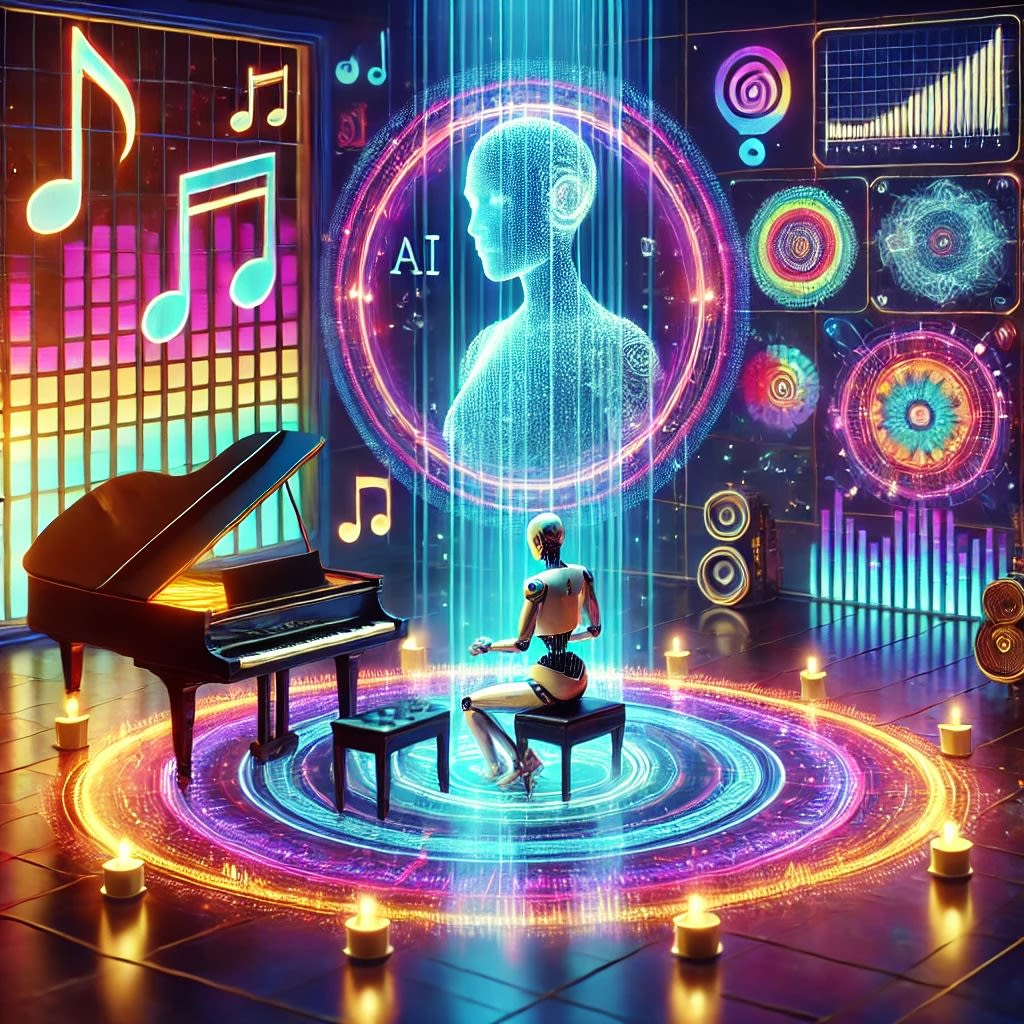
Music is one of humanity’s oldest and most cherished forms of expression, transcending cultures, languages, and generations. Today, artificial intelligence (AI) is revolutionizing how music is composed, performed, and experienced, blending technology with creativity in unprecedented ways. AI-powered music composition is not just a futuristic concept; it’s here, shaping the industry and expanding the boundaries of musical creativity.
In this article, we’ll explore how AI is transforming music composition, the benefits and challenges it brings, and what the future holds for this fascinating intersection of art and technology.
How Does AI Compose Music?
AI-powered music composition leverages advanced machine learning algorithms to create original musical pieces.
1. Training with Datasets
AI models are trained on vast libraries of music across genres and eras. By analyzing patterns, melodies, rhythms, and harmonies, these systems learn the fundamentals of music theory and style.
2. Creative Algorithms
Generative Models: Tools like OpenAI’s MuseNet and AIVA (Artificial Intelligence Virtual Artist) use neural networks to generate music that feels both structured and innovative.
Customization: Users can input parameters such as tempo, mood, or instrumentation, and the AI tailors the composition accordingly.
Benefits of AI-Powered Music Composition
1. Enhanced Creativity
AI serves as a collaborator, offering new ideas and inspirations that might not occur to human composers.
- Breaking Conventions: AI explores unconventional combinations of instruments, melodies, or styles, creating unique sounds.
- Endless Variations: With AI, musicians can generate multiple variations of a theme, sparking creative breakthroughs.
2. Accessibility for Beginners
AI tools democratize music creation, allowing anyone to compose, even without formal training.
- User-Friendly Platforms: Apps like Amper Music and Soundraw let users create professional-grade compositions with minimal input.
- Bridging Gaps: AI removes technical barriers, making music creation accessible to hobbyists and aspiring musicians.
- 3. Efficiency and Speed
Composing music traditionally requires time and meticulous effort. AI accelerates the process.
- Instant Output: AI can generate a complete song in minutes, ideal for content creators needing quick background scores.
- Automating Repetition: Tasks like harmonizing melodies or arranging instrumentals become effortless with AI.
Applications of AI in Music Composition
1. Film and Video Game Scores
AI is becoming a go-to tool for creating adaptive, emotion-driven soundtracks.
Dynamic Scoring: AI-generated music can adapt in real-time to on-screen action, enhancing the viewer’s experience.
Cost-Effective Solutions: Indie filmmakers and game developers can access high-quality music without hiring composers.
2. Personalized Music Experiences
AI enables the creation of music tailored to individual preferences.
Custom Playlists: AI algorithms generate songs based on your mood, activity, or taste, as seen in platforms like Spotify.
Therapeutic Music: AI compositions are being used for relaxation, meditation, and therapy, catering to specific emotional needs.
3. Assisting Composers
Professional musicians use AI as a tool to enhance their creative process.
Idea Generation: AI provides suggestions for chord progressions, melodies, or lyrics, acting as a brainstorming partner.
Collaborative Projects: Musicians blend AI-generated elements with their own compositions for hybrid works.
Challenges and Ethical Considerations
1. Originality and Authorship
AI compositions are based on patterns from existing music, raising questions about creativity and ownership.
- Plagiarism Concerns: Critics argue that AI-generated music may unintentionally mimic existing works.
- Copyright Issues: Who owns the rights to AI-composed music—the programmer, the user, or the AI itself?
2. Impact on Human Musicians
The rise of AI raises concerns about its impact on the livelihoods of composers and performers.
- Job Displacement: AI could reduce demand for traditional composers, especially in commercial industries.
- Shifting Roles: However, it also creates opportunities for musicians to collaborate with AI and explore new roles in production.
3. Cultural and Emotional Depth
Can AI truly capture the depth of human emotion and cultural nuance?
- Lack of Intuition: While AI excels in technical aspects, it may struggle to convey the raw, emotional essence of music.
- Cultural Appropriation: Without understanding context, AI may inadvertently misrepresent or oversimplify cultural music styles.
The Future of AI-Powered Music
The integration of AI in music composition is still evolving, with promising advancements on the horizon.
- Real-Time Composition: AI could compose live music during concerts, responding to audience reactions or improvising with performers.
- Interactive Experiences: Virtual reality (VR) and AI could merge to create immersive musical journeys tailored to individual users.
- Cross-Cultural Creations: By learning from diverse musical traditions, AI could create unique, genre-blending compositions that celebrate global influences.
Conclusion
AI-powered music composition is not here to replace human creativity but to expand its possibilities. By automating tedious tasks, generating fresh ideas, and making music accessible to all, AI acts as both a tool and a collaborator.
As the technology matures, it will continue to challenge our understanding of creativity and redefine what it means to be a composer. Whether you’re a seasoned musician or a curious beginner, the harmonious future of AI and music invites everyone to join the symphony of innovation.
About the Creator
Ayesha Rasheed Rajpoot
Video Editor & Content Creator || Expert in Web Content & Blog Posts || SEO Specialist || Social Media & YouTube Management || Handling Social Media Profile & Pages
Keep reading
More stories from Ayesha Rasheed Rajpoot and writers in Humans and other communities.
Text-to-Image Models: The Future of Digital Art
Imagine typing a few words and seeing your vision transformed into a stunning piece of artwork in seconds. This is the magic of text-to-image models, a groundbreaking advancement in artificial intelligence that has redefined digital art. By generating images directly from text descriptions, these models bridge the gap between language and visual creativity, opening up endless possibilities for artists, designers, and enthusiasts.
By Ayesha Rasheed Rajpootabout a year ago in Humans
Autonomy Is The Real Privilege
Good morning, freedom-seekers! Today we’re gonna be looking at autonomy. A strange word, I know; one many would probably look at blankly and run away from on sight. We’re gonna figure out what it actually means, consider how it’s achieved, and decipher just how deeply most of us are tangled up in dependence without realising it.
By That ‘Freedom’ Guyabout 22 hours ago in Humans
Seven Socially Acceptable Behaviors That Secretly Kill Your Potential.
You follow rules taught as polite and mature. Society rewards these behaviors with approval. Praise feels safe. Progress slows. The danger hides in habits nobody questions. These habits look responsible. They drain growth over time.
By Wilson Igbasi7 days ago in Humans



Comments (1)
Hello, just wanna let you know that we have to choose the "AI-Generated" tag before publishing when we publish AI-Generated content 😊