
Text-to-Image Models: The Future of Digital Art
Text-to-Image Models

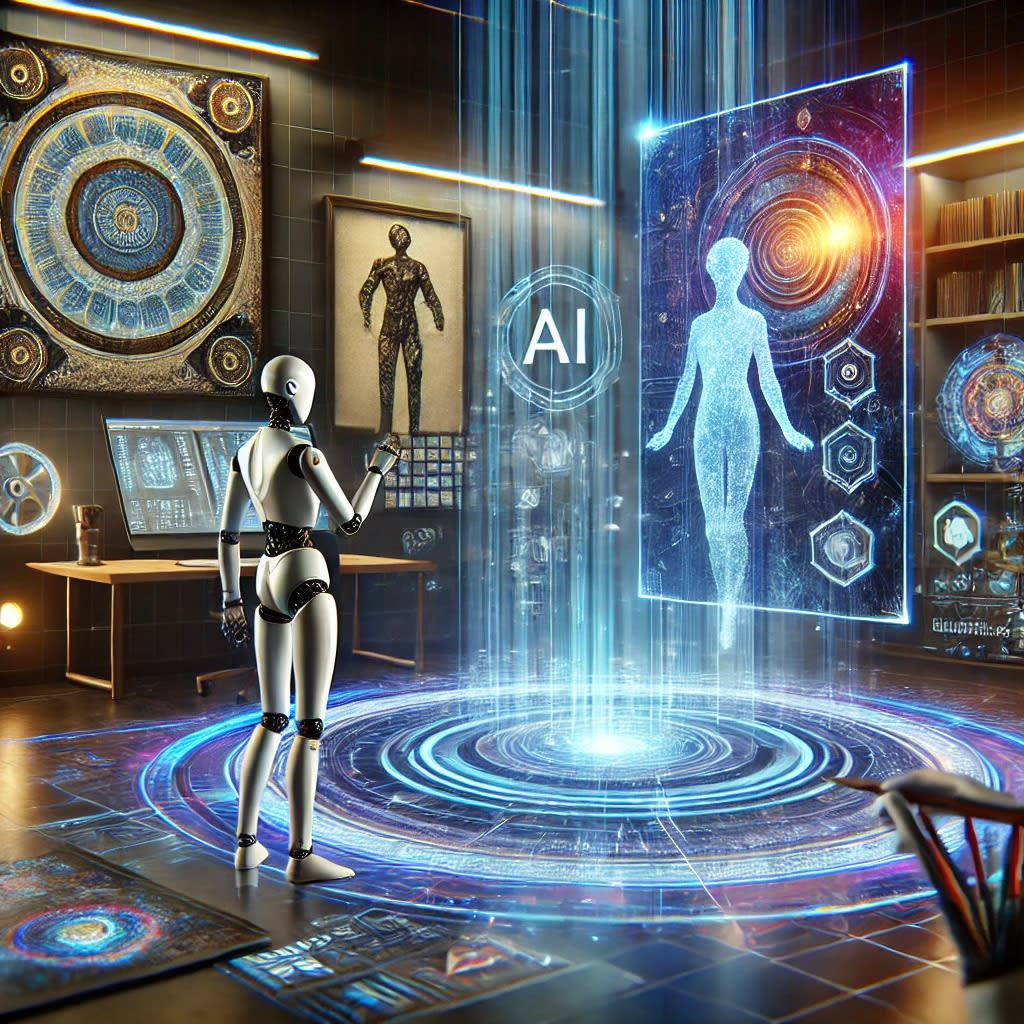
Imagine typing a few words and seeing your vision transformed into a stunning piece of artwork in seconds. This is the magic of text-to-image models, a groundbreaking advancement in artificial intelligence that has redefined digital art. By generating images directly from text descriptions, these models bridge the gap between language and visual creativity, opening up endless possibilities for artists, designers, and enthusiasts.
In this article, we’ll explore how text-to-image models work, their impact on digital art, and the exciting opportunities and challenges they bring.
What Are Text-to-Image Models?
Text-to-image models are AI systems that use natural language processing (NLP) and computer vision to generate images based on textual input.
How They Work:
These models, like DALL·E, Stable Diffusion, and MidJourney, are trained on massive datasets containing images and their corresponding descriptions. By understanding the relationship between text and visuals, they can produce original artwork that matches user prompts.
Core Technology:
Text-to-image models often use neural networks like Generative Adversarial Networks (GANs) or Diffusion Models to synthesize high-quality images.
The Impact of Text-to-Image Models on Digital Art
1. Democratizing Creativity
Text-to-image models make art creation accessible to everyone, regardless of skill level.
- No Artistic Skills Required: Anyone can describe their idea in words and watch it come to life, making art creation inclusive.
- Cost-Effective Solutions: Businesses and creators can use these models for logo designs, illustrations, and concept art without hiring professionals.
2. Speed and Efficiency
Traditional art and design processes can take days or weeks. Text-to-image models dramatically reduce this time.
- Rapid Prototyping: Artists and designers can quickly test ideas and iterate on them using AI-generated visuals.
- Real-Time Output: These models generate high-quality images within seconds, speeding up creative workflows.
3. Expanding Artistic Boundaries
AI can produce artwork that blends styles, genres, and concepts in ways that humans might not envision.
- Unconventional Creativity: Text-to-image models explore unique combinations of themes and aesthetics, pushing the boundaries of traditional art.
- Global Influence: Users can experiment with cultural and artistic styles from around the world, promoting cross-cultural creativity.
Popular Applications of Text-to-Image Models
1. Content Creation
Creators use these models to produce visuals for blogs, social media, and marketing campaigns.
Example: A blogger can generate custom illustrations to match their writing without hiring an artist.
2. Concept Art and Design
Designers rely on AI to visualize ideas for video games, movies, and product prototypes.
Example: Game developers use text-to-image tools to create landscapes or character designs quickly.
3. Personalized Artwork
Consumers can create bespoke art for gifts, home decor, or personal projects.
Example: A user inputs “a cozy cabin in the snow, surrounded by pine trees,” and gets a picture-perfect image for a holiday card.
Challenges of Text-to-Image Models
1. Originality and Copyright Issues
AI-generated art often relies on training data that includes existing artworks, raising concerns about plagiarism.
- Ethical Concerns: If an AI model generates art resembling a specific artist’s style, does it infringe on their intellectual property?
- Ownership Questions: Who owns the rights to AI-generated images—the user, the developer, or no one?
2. Bias in Training Data
AI models may reflect biases present in their datasets, leading to stereotypical or inaccurate representations.
- Lack of Diversity: Training data may disproportionately represent certain demographics or artistic styles, limiting inclusivity.
- Unintended Outputs: AI could generate content that’s culturally insensitive or misaligned with user intentions.
3. Impact on Professional Artists
The rise of AI-generated art has sparked debates about its impact on the art and design industries.
- Competition vs. Collaboration: While some fear that AI may replace human artists, others see it as a tool to enhance creativity and productivity.
- Devaluing Art: The accessibility of AI tools could lead to an oversaturation of digital art, potentially devaluing traditional methods.
The Future of Text-to-Image Models
Text-to-image models are evolving rapidly, and their future promises even greater possibilities.
- Hyper-Realism: Future models will generate images that are indistinguishable from real photographs, enhancing applications in advertising and virtual reality.
- Interactive Tools: Combining text-to-image models with virtual or augmented reality could create immersive creative experiences.
- Ethical Frameworks: As these models grow, developing ethical guidelines and fair usage policies will be critical to address concerns.
Conclusion: A Tool for Endless Imagination
Text-to-image models represent a revolutionary step in digital art. By combining the precision of AI with the imagination of humans, they empower creators to push boundaries and reimagine what’s possible in the art world.
While challenges like copyright and bias remain, these tools are more than just technological novelties they’re a testament to how technology and creativity can work hand in hand. As we embrace this new era of art, the possibilities are as limitless as our imagination.
About the Creator
Ayesha Rasheed Rajpoot
Video Editor & Content Creator || Expert in Web Content & Blog Posts || SEO Specialist || Social Media & YouTube Management || Handling Social Media Profile & Pages
Keep reading
More stories from Ayesha Rasheed Rajpoot and writers in Humans and other communities.
AI-Generated Art: A New Era of Creativity
Art has always been a reflection of human creativity, emotion, and culture. From cave paintings to digital art, each era has introduced new tools and techniques. Today, we stand on the brink of another revolutionary shift: AI-generated art. Powered by machine learning algorithms, artificial intelligence is transforming how art is created, consumed, and understood, raising questions about creativity, authorship, and the role of technology in the arts.
By Ayesha Rasheed Rajpootabout a year ago in Humans
Autonomy Is The Real Privilege
Good morning, freedom-seekers! Today we’re gonna be looking at autonomy. A strange word, I know; one many would probably look at blankly and run away from on sight. We’re gonna figure out what it actually means, consider how it’s achieved, and decipher just how deeply most of us are tangled up in dependence without realising it.
By That ‘Freedom’ Guyabout 20 hours ago in Humans


Comments
There are no comments for this story
Be the first to respond and start the conversation.