
12 Signs You’re Emotionally Intelligent (And Why It Matters More Than Ever)
Emotional Intelligence is Your Superpower: 12 Signs You Have It (and Why It Matters)

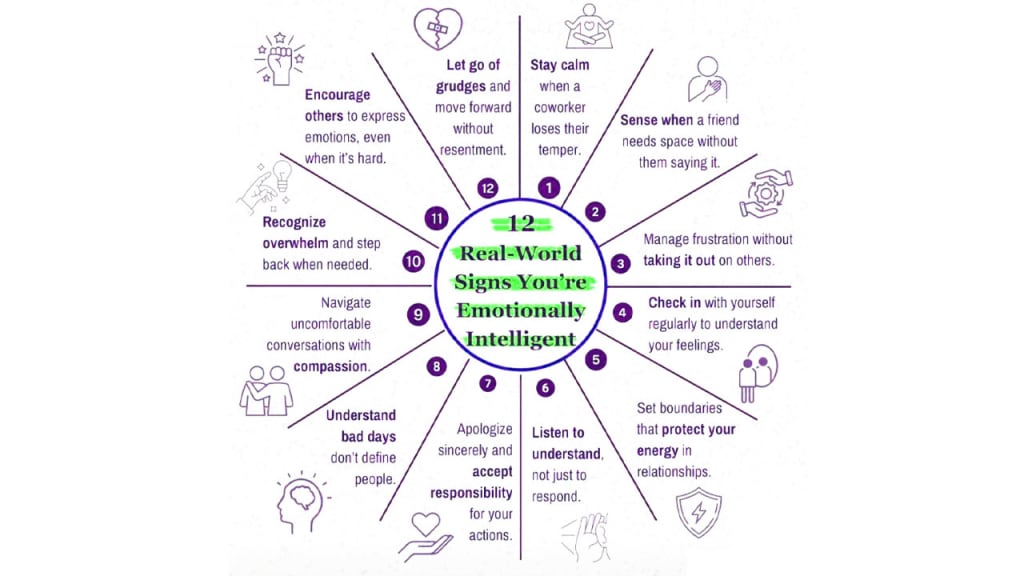
In today’s fast-paced world, emotional intelligence (EQ) is often the unsung hero of success—both personally and professionally. While IQ might land you a job, EQ determines how well you navigate life’s challenges, build meaningful relationships, and handle stress.
So, how can you tell if you have high emotional intelligence? These 12 real-world signs will help you identify your EQ level and, more importantly, show you why developing these skills is essential in 2025 and beyond.
1. You Stay Calm in Heated Situations
When a coworker loses their temper or a friend lashes out, you don’t take it personally. Instead, you stay composed, knowing that emotional reactions often say more about the other person than about you.
Why it matters: Remaining calm under pressure makes you a leader people trust, whether in your workplace or personal life.
2. You Sense When Someone Needs Space
Ever felt like a friend or partner needed time alone, even though they didn’t say a word? That’s emotional intelligence at work—being attuned to unspoken cues.
Why it matters: It helps you maintain healthy relationships by giving people the space they need without them having to ask.
3. You Manage Frustration Without Taking It Out on Others
Life gets overwhelming, but you don’t let your stress explode onto innocent bystanders. Instead of snapping at people, you find productive ways to process your frustration—whether it’s journaling, working out, or simply taking deep breaths.
Why it matters: No one likes being around someone who constantly lashes out. Managing emotions maturely strengthens both personal and professional relationships.
4. You Regularly Check In With Yourself
Self-awareness is key to emotional intelligence. Instead of bottling up emotions or letting them control you, you take time to ask yourself: How am I feeling? Why am I feeling this way? What can I do about it?
Why it matters: Self-awareness helps you handle stress, make better decisions, and communicate more effectively.
5. You Set Boundaries to Protect Your Energy
You understand that not every battle is worth fighting and that protecting your mental well-being is more important than pleasing everyone.
Why it matters: Boundaries prevent burnout and ensure that your energy goes toward what truly matters.
6. You Listen to Understand, Not Just to Respond
Most people listen just to prepare their reply. Emotionally intelligent people, however, listen to understand—they absorb what’s being said, ask thoughtful questions, and make others feel heard.
Why it matters: This skill makes you a better friend, partner, and leader—someone others trust and respect.
7. You Apologize Sincerely and Accept Responsibility
Instead of making excuses or shifting blame, you own up to your mistakes and apologize without adding a “but” at the end.
Why it matters: Taking responsibility builds trust and credibility in all areas of life.
8. You Understand That Bad Days Don’t Define People
We all have off days. If a friend is being short with you or a coworker is acting distant, you don’t immediately assume the worst. Instead, you extend grace and patience, knowing that everyone is fighting their own battles.
Why it matters: This mindset fosters stronger, more resilient relationships.
9. You Navigate Uncomfortable Conversations With Compassion
Instead of avoiding difficult topics, you approach them with empathy and honesty. Whether it’s giving feedback or addressing a conflict, you ensure that both sides feel heard and respected.
Why it matters: Being able to handle difficult conversations well is a superpower in leadership, relationships, and personal growth.
10. You Recognize When You’re Overwhelmed and Step Back
You don’t wait until burnout hits—you recognize early warning signs and give yourself permission to rest.
Why it matters: This helps you sustain long-term success without crashing from exhaustion.
11. You Encourage Others to Express Their Emotions
Instead of shutting people down with phrases like “Just get over it,” you create a safe space for emotions. You encourage open conversations about feelings and validate people’s experiences.
Why it matters: This makes you a great friend, partner, and leader—someone people feel comfortable opening up to.
12. You Let Go of Grudges and Move On
Holding onto resentment only drains your energy. Instead of dwelling on past wrongs, you process your emotions, learn from experiences, and move forward.
Why it matters: Letting go of grudges brings inner peace and emotional freedom.
Final Thoughts
Emotional intelligence isn’t just about managing your own emotions—it’s about understanding others, handling stress, and navigating relationships with care.
The good news? EQ can be developed. By practicing these 12 traits, you’ll not only improve your relationships but also create a more balanced, fulfilling life.
About the Creator
Mohammad Shajalal
Passionate about storytelling, I craft compelling narratives on Vocal Media. With a distinctive voice, I engage readers through essays, fiction, and guides. Follow me for fresh insights and creative storytelling.
Keep reading
More stories from Mohammad Shajalal and writers in Humans and other communities.
Optimizing Your Home Workspace: Tips, Tricks, and Healthy Food Habits
As remote work becomes a permanent fixture in our professional lives, creating an effective home workspace is essential for both productivity and well-being. A well-designed workstation, combined with mindful nutrition, can significantly enhance focus, efficiency, and overall health. This guide provides practical tips to help you optimize your workspace and integrate healthy eating habits into your daily routine.
By Mohammad Shajalal11 months ago in Lifehack
Trying to seem cool
Yes the Taylor Swift called Eldest Daughter inspired me to write this piece. I may not be an Eldest Daughter but damn that song hits hard especially the line i have been afflicted by a terminal uniqueness i've been dying just from trying to seem cool. In case you haven't read my previous pieces I am a bit of a unique soul! I am not complaining at all!
By Amanda Nicole5 days ago in Humans



Comments
There are no comments for this story
Be the first to respond and start the conversation.