art
Art that’s as dark as it is evocative; discover horror-inspired artwork, from twisted mutations of classic paintings, chilling sculptures, spooky photography and more.
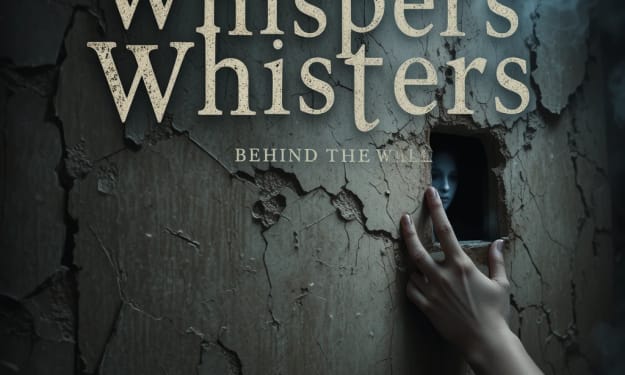
Whispers Behind the Wall
When Miriam Fletcher inherited her grandmother’s crumbling Victorian house in the quiet village of Ashford Hollow, she almost refused it. She had never felt close to her grandmother—an austere, reclusive woman with cold eyes and colder words. But after her recent divorce and the slow collapse of her job as an art teacher, the house was all she had left.
By Esther Sun8 months ago in Horror
The Silence by Tim Lebbon: A Harrowing Tale of Sound-Based Apocalypse
Introduction: When Silence is the Only Survival Tim Lebbon's The Silence (2015) presents a terrifyingly original plot in a world saturated with zombie outbreaks and viral pandemics: a swarm of deadly creatures that hunt by sound. In this gripping horror-thriller, humanity is forced to choose between remaining silent and being eaten alive. One of the most unsettling apocalyptic novels of the last ten years is The Silence because of its relentless tension, emotional depth, and brutal survival stakes. A story like this forces readers to consider the question, "How long could you survive without making a sound?" In this in-depth analysis, we’ll examine: The terrifying sound-based apocalypse of the book How Lebbon creates uncontrollable tension Themes of family, sacrifice, and human fragility Comparisons to other survival horror films and A Quiet Place Why The Silence remains a must-read for horror fans The Premise: A World Where Noise Means Death The novel follows Ally, a deaf teenager, and her family as they navigate a sudden global catastrophe. The "vesps," a species that has never been seen before, emerge from underground caves blind, ravenous, and extremely sensitive to sound. The Crucial Aspects of the End Times: Within a matter of hours, cities are reduced to slaughterhouses as the vesps attack anything that makes noise. Governments collapse as emergency broadcasts only worsen the carnage. Survivors must learn absolute silence or die. Ally’s deafness gives her family a unique advantage—she’s already adapted to a silent world. But as society crumbles, they soon realize that other humans may be just as dangerous as the creatures. The Horror of Sound: How Lebbon Builds Dread Unlike traditional monster stories, The Silence derives terror from what you can’t do—speak, scream, or even move carelessly. The key to Lebbon's mastery of suspense is: 1. The Constant Threat posed by Noise Every action—a footstep, a whisper, a dropped object—could mean death. The tension is constant, forcing readers to imagine their own survival in such a world. 2. The Vesps: An Unlikely Threat They don’t stalk or play with prey—they swarm and consume. Their origin is never fully explained, making them even more frightening. They evolve, adapting to human tactics in horrifying ways. 3. The Psychological Toll of Silence Lebbon doesn’t just focus on physical survival—he explores how silence warps the mind. The following must be kept out: Grief (no crying for the dead) Fear (there are no terrified screams) Conflict (no arguing over decisions) The result is a suffocating atmosphere where even breathing feels dangerous. Themes: More Than Just a Characteristic of a Animal While the vesps are terrifying, The Silence is ultimately a story about humanity under pressure. 1. Family Bonds vs. Survival Instinct Ally’s father, Huw, makes increasingly brutal choices to protect his family. The novel asks: How far would you go for those you love? 2. The Fragility of Civilization Within days, society descends into mob rule, religious fanaticism, and cannibalism. Lebbon suggests that monsters don’t just exist outside—they’re inside us all. 3. Disability as Strength Ally’s deafness, once a challenge, becomes her greatest asset. The novel flips the script on traditional survival narratives, showing that adaptation is the key to endurance. Comparison to A Quiet Place: Similar Premise, Different Execution Many compare The Silence to A Quiet Place (2018), but the two diverge in key ways: Aspect The Silence A Quiet Place Creatures Vesps (evolving, swarm-based) "Death Angels" (stalkers) Tone Darker, more brutal More hopeful, family-centric Deaf Character’s Role Ally adapts but isn’t idealized Regan’s hearing aid becomes a weapon Human Threat Major focus (cannibals, cults) Minimal While both are excellent, The Silence leans harder into cosmic horror and societal collapse, making it the darker, more unsettling experience. Why The Silence Still Resonates Today 1. The Fear of Losing Communication The concept of forced silence is particularly terrifying in this day and age of constant digital noise. The novel explores what happens when language, music, and human connection are stripped away. 2. The Real-World Parallels Pandemic lockdowns (isolated families fearing invisible threats) Climate change (ancient calamities brought about by reckless human action) Echo chambers on social media (the vesps, a metaphor for viral hysteria) 3. The Unforgettable Ending Without spoilers, Lebbon delivers a finale that’s both heartbreaking and hauntingly ambiguous, leaving readers to ponder the true cost of survival.
By Silas Blackwood8 months ago in Horror
“Whispers in the Walls”
When Sarah and Daniel moved into the old house on Hollow Creek Road, it had been raining for days. It was isolated, covered in creeping ivy, surrounded by thick woods. The locals whispered about the place—how no one stayed there long, how strange things happened inside those decaying walls. But to the young couple, it was perfect: quiet, cheap, and full of character.
By Md Naim Khan8 months ago in Horror
Bird Box by Josh Malerman: A Terrifying Exploration of Fear, Survival, and the Unknown
The Book That Changed the Face of Apocalyptic Horror Bird Box, Josh Malerman's debut novel, captivated horror readers in 2014 with its chilling depiction of a world where seeing is fatal. The book’s premise—an unseen force drives people to violent madness upon sight—captivated readers and later inspired the hit Netflix film starring Sandra Bullock. However, Bird Box is not simply a viral sensation. It’s a masterclass in psychological horror, blending relentless tension, deep character study, and existential dread. It is still one of the most influential horror novels of the 21st century, nearly ten years after it was published. In this deep dive, we’ll explore: The terrifying premise of Bird Box How Malerman crafts fear without showing the monster The novel’s themes of motherhood, trust, and survival Why Bird Box still haunts readers today The Hypothesis: In a world where looking is fatal, Malorie, a woman who lives in a post-apocalyptic world where anyone who sees an unknown entity is driven to homicidal rage, is the protagonist of the book. Survivors must blindfold themselves to stay alive, turning every outdoor journey into a nerve-wracking game of sound and memory. Malorie, along with two young children she calls only "Boy" and "Girl," embarks on a perilous river journey to a rumored safe haven. The problem? They must do it blindfolded. Why This Concept Works So Well The monster is never seen – By never describing the entity, Malerman forces readers to imagine something far worse than any visual could provide. Survival depends on vulnerability – Characters must willingly blind themselves, heightening tension in every scene. The fear is universal – Unlike zombies or plagues, this horror exploits a fundamental human instinct: the need to see. How Malerman Creates Fear: The Horror of the Unseen Bird Box's moderation is one of its greatest assets. Unlike many horror stories that rely on gore or jump scares, Malerman’s terror is psychological, built through: 1. Lack of Perception With characters blindfolded, every sound, touch, or whisper becomes a potential threat. Readers experience the world as Malorie does—uncertain, disoriented, and hyper-alert. 2. The Madness of Others Flashbacks reveal how society collapsed, with infected individuals describing beautiful visions before turning violent. The unseen force is made even more disconcerting by the contrast between wonder and horror. 3. The Paranoia of Trust In a world where opening your eyes could mean death, who can you rely on? The novel explores how fear erodes human connection, leading to betrayal and isolation. Themes: More Than Just a Monster Story While Bird Box is undeniably terrifying, its deeper themes elevate it beyond standard horror fare. 1. Motherhood and Survival Instinct Malorie’s journey is as much about protecting her children as it is about survival. Her decision to train Boy and Girl in extreme discipline—forcing them to rely on hearing alone—raises ethical questions about love and necessity in a broken world. 2. The Fragility of Sanity The infected don’t just die—they lose themselves in ecstatic visions before turning violent. This suggests that the entity doesn’t just kill; it reveals something horrifying about human nature. 3. The Fear of the Unknown By never explaining the creatures, Malerman taps into Lovecraftian horror—the idea that some truths are too terrible to comprehend. The novel’s power lies in what it doesn’t show. Comparing the Book to the Movie on Netflix The 2018 Netflix film brought Bird Box to a wider audience, but there are key differences: Aspect Novel Film Malorie’s Character More introspective, haunted More action-driven The entity was never described and was only briefly depicted (controversial). Ending Ambiguous, open to interpretation More concrete, hopeful While the film is effective, the book’s unseen horror and deeper psychological exploration make it a richer experience. Why Bird Box Still Haunts Readers Today 1. It appears strangely plausible. In a post-pandemic world, the idea of an invisible, unstoppable threat resonates more than ever. The themes of survival, isolation, and false information come across as unsettlingly familiar. 2. The Horror Lingers Because the monster is never seen, readers keep imagining it long after finishing the book. This lingering dread is a hallmark of great horror. 3. It Reinvents Apocalyptic Fiction Unlike zombie or virus stories, Bird Box presents a threat that can’t be fought, only avoided. This makes survival feel even more desperate. Final Verdict: A Modern Horror Classic Bird Box isn’t just a scary story—it’s a brilliant exploration of fear itself. By forcing characters (and readers) to confront the unknown, Malerman crafts a horror novel that’s as thought-provoking as it is terrifying. Have you read Bird Box? Could you survive blindfolded?
By Silas Blackwood8 months ago in Horror
"The Silence in Cellar Hollow"
When Clara Bell inherited the decrepit farmhouse in Cellar Hollow, When Clara Bell inherited the decrepit farmhouse in Cellar Hollow, she almost laughed at the irony. Long thought to be insane, her estranged great-uncle Elijah had died there alone, whispering to the walls and writing in unintelligible symbols. Everyone said the place was cursed. But Clara, a rational woman, didn’t believe in curses.
By Md Naim Khan8 months ago in Horror
The Terrifying Pandemic Horror Twist in Your Shadow Half Remains
How Sunny Moraine’s Novel Reinvents Apocalyptic Fear In an era still reeling from real-world pandemics, horror fiction has evolved to reflect our deepest anxieties—not just about disease, but about the collapse of human connection. Sunny Moraine’s Your Shadow Half Remains (February 2024) takes pandemic horror to a chilling new level with a simple, devastating premise: what if eye contact made people violently insane? This is not another Bird Box imitation. Moraine’s novel strips survival horror down to its most primal fear—the inability to trust anyone, even yourself—and crafts a claustrophobic, psychological nightmare that lingers long after the last page. In this deep dive, we’ll explore: The terrifying premise of Your Shadow Half Remains How it differs from other horror stories about pandemics The real-world fears it exploits Why this could be 2024’s most unsettling horror novel
By Silas Blackwood8 months ago in Horror
The Black River Orphan: A Cursed River in New England in the 19th Century
Introduction In the shadowy corners of 19th-century New England folklore, few tales are as chilling as that of The Black River Orphan—a cursed river said to whisper the names of the drowned and lure the unwary to their doom. This spectral waterway, shrouded in Puritan guilt and whispered legends, embodies the region’s deep-rooted fears of the supernatural and the unresolved sins of the past. This article explores the origins of The Black River Orphan, its ties to historical anxieties, and its lasting influence on horror literature. We’ll examine: The real-life New England history that shaped the legend Tragic drownings, eerie apparitions, and forbidden rituals are all part of The River's Curse. Puritanical Dread: Why 19th-century New England was a good place for these kinds of stories Literary Legacy – How the curse echoes in modern horror.
By Silas Blackwood8 months ago in Horror
The Best Brand-New Horror Reads for 2024
Rolling Stone’s Must-Read Picks for the Year’s Scariest Stories In 2024, horror literature is doing well because authors are pushing the boundaries, combining genres, and creating new nightmares that will keep readers up until midnight. This year's lineup includes everything from folk horror to cosmic dread and supernatural hauntings to psychological thrillers. Here are Rolling Stone’s picks for the best new horror books of 2024—each one guaranteed to send chills down your spine.
By Silas Blackwood8 months ago in Horror
Even More Facts That Will Melt Your Brain (Part 2)
10 More MIND-BLOWING Facts You Weren’t Taught in School (Part 2)If Part 1 left you scratching your head in amazement, get ready to take that brain-scratching to a whole new level. Our world—and the universe it floats in—is packed with bizarre truths, hidden gems of knowledge, and scientific oddities so strange they feel like fiction. Yet they’re all real. Let’s dive into another set of weird and wonderful facts they definitely didn’t cover in class.
By Haroon Bahramzai8 months ago in Horror
The Unseen Scales
The sun beat down relentlessly on the dusty track, shimmering waves rising from the scorched earth. I was on my way back from a remote village, where I’d been working on a community development project. The path was long and winding, flanked by sparse, thorny bushes and jagged rocks. Fatigue was setting in, and I longed for the cool shade of my home.
By Noman Afridi8 months ago in Horror
The Scariest Horror Stories You’ve Never Read
Unearthing Forgotten and Overlooked Tales of Terror By [Mehedi Hasan] | The New Yorker Horror fiction has long been a staple of literary terror, with names like Edgar Allan Poe, H.P. Lovecraft, and Shirley Jackson dominating the conversation. But lurking in the shadows of obscurity are chilling tales that have slipped through the cracks—stories so unsettling that they’ve been forgotten, suppressed, or simply overlooked. In this deep dive into the macabre, we uncover some of the scariest horror stories you’ve likely never read. These are not the usual suspects from The Tell-Tale Heart or The Lottery, but rather obscure, bizarre, and deeply disturbing works that deserve a second look—if you dare.
By Silas Blackwood8 months ago in Horror