
Babi Ngepet: The Wealth-Stealing Pig Demon of Indonesian Folklore
A Tale of Greed, Transformation, and the Moral Perils of Forbidden Magic

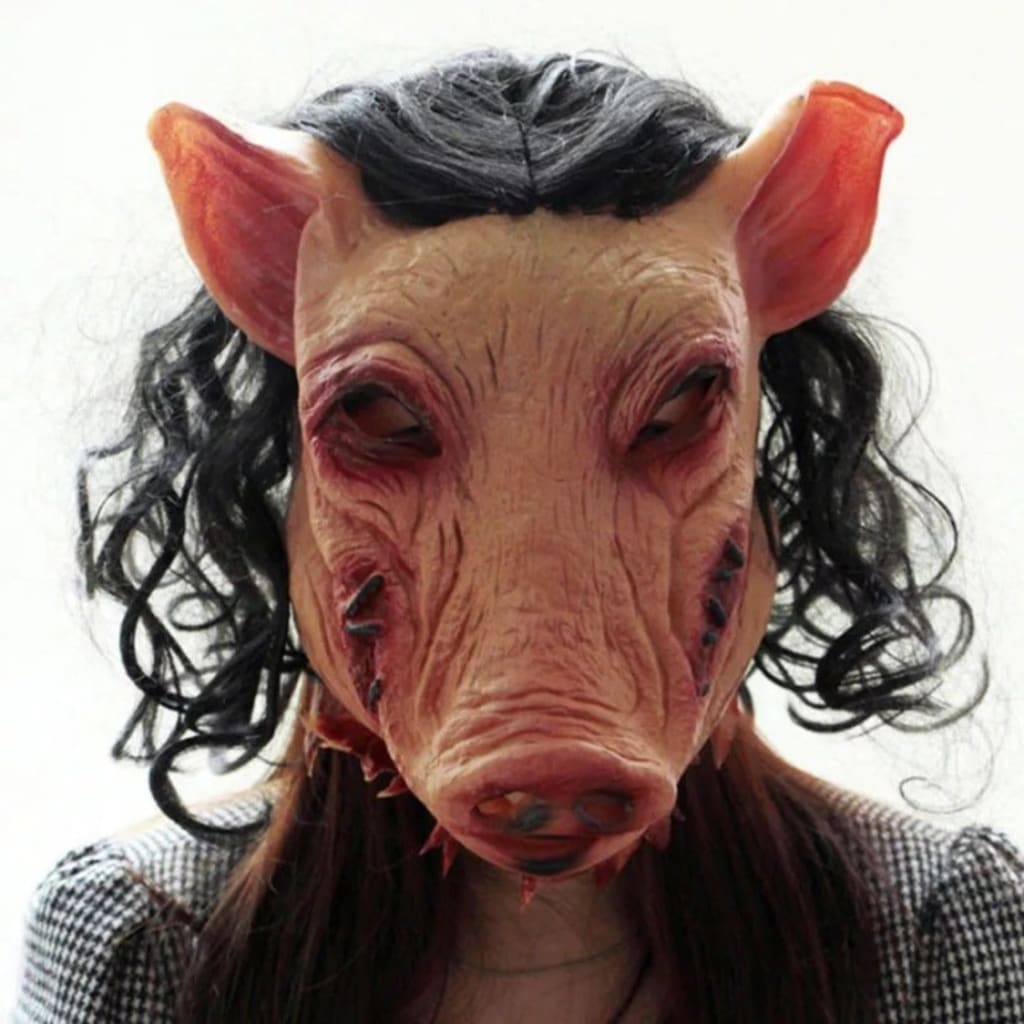
Babi Ngepet: The Stealing Pig Demon of Indonesian Mythology
Among the rich variety of Indonesian legend, few creatures capture the imagination—and challenge the conscience—quite so vividly as Babi Ngepet, a Javanese monster. Rendered as "Pig Demon" or "Wealth-Stealing Pig," the beast is the personification of greed's danger and the dark fascination of illicit magic. Its word-of-mouth legend over centuries is entertainment and moral parable in one, and it addresses what is wished for and dreaded in society.
Origins and Historical Context
The origins of Babi Ngepet are inextricably tied with Indonesia's syncretic religious past. Pre-Islamic animist cults, who were afraid of and revered natural forces, likely spawned the myth. With Islam's arrival, the pig, already taboo among Hindu and Buddhist cultures, became increasingly stigmatized and became a symbol of impurity. The wicked pig became a representation of moral evil, particularly in Java, where Islamic mores blended with native traditions. The folklore remains alive in rural society, where black magic (ilmu hitam) and night haunting gossip persists.
The Folklore of Transformation
At the core of the Babi Ngepet myth is a Faustian bargain: greed on the part of human beings for riches via black rituals. Traditionally, practitioners, most often men, withdraw into the forest or graveyard to perform rituals involving incantations, sacrifices of blood, and a blessed kain kafan (burial shroud). Wrapped in this fabric, they become repulsive pigs with hairy bodies and eyes that twinkle with malevolence.
By night, the Babi Ngepet travels villages, burning crops and burgling homes to steal valuables. But this shape is eerily temporary. The demon must assume human form by dawn; otherwise, they will be forever an animal. Villagers use soft objects like needles or slivers of glass—material the pig's delicate trotters are unable to tolerate. Wounds gained in the pig shape materialize on the human body, exposing the criminal.
Cultural Resonance and Moral Lessons
Babi Ngepet is more than a chilling tale—it's a mirror of culture. The myth condemns greed and injustice in society and is a warning against moral decay of the attainment of wealth at the cost of one's humanity. Where economic desperation reigns in society, the story warns that there are means to success through the denial of one's humanness. The duplicity of the Babi Ngepet's dual life—usually from their own kin—is a mirror on deceit and clandestine vice.
The. story also demonstrates collective vigilance. The villagers collectively defeat the demon, safeguarding the public good, not individual gain. This is in keeping with Indonesia's cultural emphasis on gotong royong (collective cooperation), a basis for social cohesion.
Modern Echoes
Despite being diluted by modernization and technology, Babi Ngepet continues to hold on. It returns as horror movies, campfire tales, even political satire, where nefarious politicians are told of as the devil amassing ill-begotten riches. During economic depressions, it catches fire, an old warning of what greed costs.
Conclusion
Babi Ngepet's duality is its background: a conscience and a bloodthirsty killer. It warns that honorless money is a hollow victory, and desperation is perilous. As Indonesia moves towards modernity, this sort of folklore remains a connector between yesterday and today, with certain things, like the demon's terrifying glance, being timeless.
In a world that still struggles with greed and disparity, the story of Babi Ngepet is as relevant today as it was yesterday—a demonstration of the power of folklore in creating, and describing, the human condition.
About the Creator
Kyrol Mojikal
"Believe in the magic within you, for you are extraordinary."
Keep reading
More stories from Kyrol Mojikal and writers in Horror and other communities.
Gwisin: The Haunting History and Folklore of Korea’s Restless Ghosts
The Gwisin Ghosts: Haunting Legends of Korea's Tragic Spirits Spooky legends have been spreading through Korea's mountains and villages for centuries, but few ghosts loom so darkly in the common imagination as Korea's Gwisin—supernatural entities bound to the living by open sores of unhealed loss. Seizing on a tradition that stretches back centuries, these ghosts represent Korea's ambivalent relationship with death, memory, and social tension.
By Kyrol Mojikal10 months ago in Horror
Silver Screen Magic with Mae West
American actress and singer Mae West became a popular film actress during the Great Depression. She started entertaining in vaudeville, then performed on Broadway, and finally went to Hollywood. She signed up with Paramount Pictures and made her debut in the 1932 film “Night After Night.” She also starred in musicals, comedies, and crime dramas. The American Film Institute named her one of the best classic Hollywood actresses.
By Rasma Raisters5 days ago in Geeks



Comments (1)
That’s a scary pig demon! He looks like some people I know! Great work!