
Gwisin: The Haunting History and Folklore of Korea’s Restless Ghosts
Ancient Roots: How Korean Shamanism and Confucianism Shaped the Legend of Gwisin


The Gwisin Ghosts: Haunting Legends of Korea's Tragic Spirits
Spooky legends have been spreading through Korea's mountains and villages for centuries, but few ghosts loom so darkly in the common imagination as Korea's Gwisin—supernatural entities bound to the living by open sores of unhealed loss. Seizing on a tradition that stretches back centuries, these ghosts represent Korea's ambivalent relationship with death, memory, and social tension.
Historical Origins: Ancestors, Rituals, and Restless Dead
Gwisin originated from traditional Korean shamanism (Muism), the religion of spirit worship and dead ancestor worship. It is founded on the belief that the dead must undergo dignified passage to paradise; indignity, trauma, and thus send them as avenging ghosts. Confucianism, as widespread under Joseon Dynasty governance (1392–1897), amplified such fear. Mourning ritual and ancestor worship (jesa) became morally necessary. A death brutally treated—by suicide, treachery, or brutality—dared to create a Gwisin. Past wars, like the Japanese invasions (1592–1598) or the Korean War (1950–1953), agitated numerous souls, giving birth to tales of ghostly vengeance.
Mythology and Characteristics: Deadly Sads and Terrible Encounters
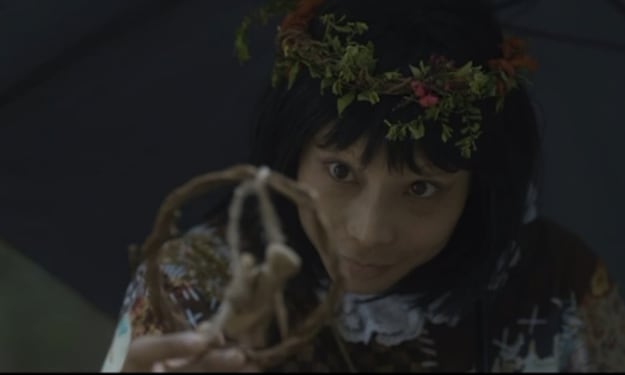
Gwisin also manifest as women wearing tattered hanbok (traditional clothing), with long black hair covering sorrowful or angry faces. This imagery is attempting to illustrate patriarchal tensions; there are many tales of brides betrayed, widows excluded, and daughters deceived. There is one such tale that is an ancient tale of a bride who suicides on her wedding night, haunting rivers to drag innocent souls down the river. There is also the one about students encountering a Gwisin in empty school hallways, whose whispers remind them of lessons never learned.
They are not evil at all. They crave closure—a good burial, a promise fulfilled. They can come as cold breezes, a dying candle, or a disappearing object. With them, however, there is the sting of cold wind, evidence of how transitory life has been.
Protection and Peace: Rituals to Appease the Dead
In order to keep Gwisin at bay, Koreans employed shamanistic rituals (gut), in which mudang (shamans) acted as go-betweens between worlds, offering food, music, and prayers to appease spirits. Homes might sprinkle salt on doorways or hang talismans featuring Buddhist sutras inscribed on them. Ancestor-offering Jesa rituals preclude dead from becoming Gwisin. All this is a cultural mindset: revere the past, lest be subject to its ghostly retribution.
Modern Echoes: Gwisin in Media and Society
Gwisin now terrorize Korean TV and film, resonating with contemporary fears. A Tale of Two Sisters (2003) and Hotel del Luna (2019) reinterpret the spirits as metaphors of repressed trauma—a mother's grief, a daughter's treachery. The Wailing (2016) links Gwisin to social discontent, combining folklore with existential horror.
These stories also charge historical injustice. Female Gwisin appearing are a manifestation of Korea's patriarchal history, in which women's suffering was covered up. By speaking for the ghosts, modern stories break open social "han"—Korean for deep, social sorrow.
Conclusion: Shadows of Memory
Gwisin are ghost tales, but they are more than ghost tales, they are reflections of culture. They remind the Koreans to honor the dead, confront unseen realities, and endure the suffering that remains when lives are lost. In an increasingly modernizing world, these ghosts serve as reminder after reminder—whispering that the past, as haunted as it is, can never be abandoned. Through them, the history and heartache of Korea remain present, lurking just beyond light's edge.
About the Creator
Kyrol Mojikal
"Believe in the magic within you, for you are extraordinary."
Keep reading
More stories from Kyrol Mojikal and writers in Horror and other communities.
Wewe Gombel: The Tragic Ghost of Java - Folklore, History, and Cultural Significance
The Wewe Gombel Ghost Story: Guardian, Specter, and Cultural Caution In the fog-shrouded hills and bamboo forest of heavy cover in Central Java, the legends of Wewe Gombel—a vengeful ghost both feared and liked—haunt the popular memory of Javanese villages. A gaunt, disheveled woman with bony fingers like talons and dimming eyes, she is no specter. Her mythology hovers between horror and pathos, embodying a cultural vision that reflects fear, moral instruction, and folklore's power to survive.
By Kyrol Mojikalabout a year ago in Horror


Comments (1)
The story was great but i can't get over how the picture looks like the girl is doing something x rated.........