
Zero Corruption: The Hidden Secrets of Japan's Government System and Policies
In this video, we will uncover the hidden secrets behind Japan's governance, explore its anti-corruption policies,

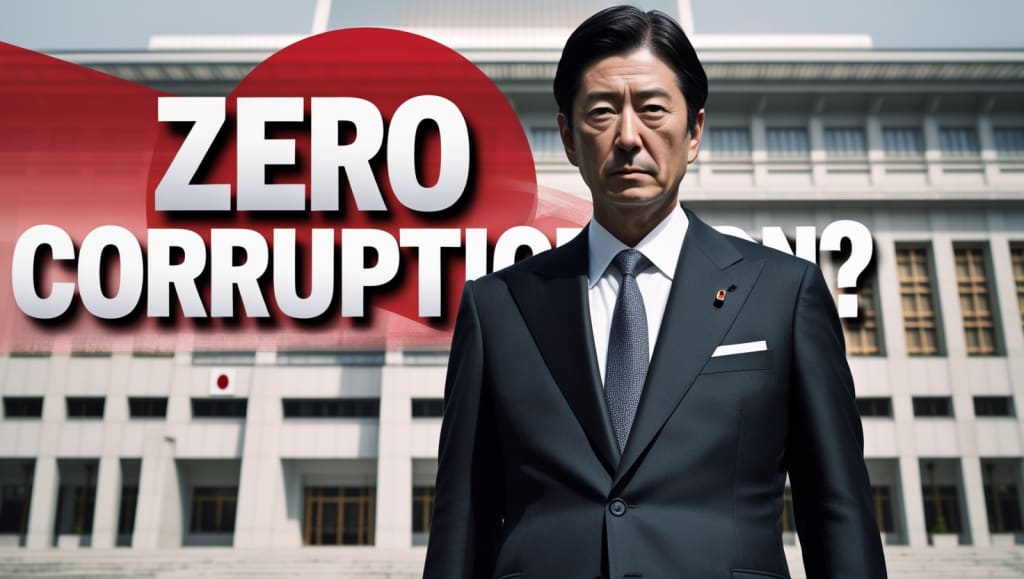
Zero Corruption: The Hidden Secrets of Japan's Government System and Policies
Japan is globally recognized for its advanced technology, disciplined society, and rich cultural heritage. But beyond these, Japan stands out for something truly remarkable—its exceptionally low levels of corruption.
Unlike many countries where corruption scandals are commonplace, Japan has maintained a relatively transparent and accountable government system. But how has Japan achieved this?
In this video, we will uncover the hidden secrets behind Japan's governance, explore its anti-corruption policies, and understand the cultural and legal frameworks that contribute to its success.
Stay with us until the end, and don’t forget to like, share, and subscribe for more eye-opening content!
The Reality of Corruption in Japan
When people hear "zero corruption," they might assume that Japan is completely free of corruption. However, no country is entirely corruption-free. What sets Japan apart is its consistently high ranking in global transparency indexes.
According to Transparency International’s Corruption Perceptions Index, Japan is one of the least corrupt countries in Asia. But why is corruption so minimal compared to other developed nations?
The answer lies in a combination of strict laws, deeply ingrained cultural values, and a political system that discourages unethical behavior.
Cultural Influence: How Japanese Values Prevent Corruption
One of the key reasons behind Japan’s low corruption levels is its strong cultural foundation. Let’s explore some of these cultural values:
1. "Meiwaku" (Avoiding Trouble for Others)
In Japanese society, causing trouble for others is highly discouraged. This principle, known as meiwaku, plays a crucial role in government and business ethics. A public official or businessperson involved in corruption is seen as bringing disgrace not only to themselves, but also to their organization and society as a whole.
2. "Gigi" and "Ninja" (Duty and Compassion)
Japanese officials are expected to uphold girl (duty) and ninja (compassion). These values emphasize prioritizing public welfare over personal gain, acting as a moral guide against corruption.
3. Public Shaming and Reputation Loss
Unlike in some countries where corrupt officials retain influence, in Japan, exposure to corruption often leads to social and professional isolation. The fear of public disgrace serves as a strong deterrent.
Government Policies That Keep Corruption in Check
Japan has implemented a series of strict laws and policies to ensure transparency and accountability. Some of the most effective measures include:
1. Strict Anti-Bribery Laws
Japan enforces some of the world’s strictest anti-bribery laws. The Unfair Competition Prevention Act prohibits Japanese companies from engaging in bribery, both domestically and internationally. Officials caught accepting bribes face severe legal consequences, including hefty fines and imprisonment.
2. Transparent Bureaucracy and Merit-Based Hiring
Japan’s government follows a strict merit-based hiring system. Unlike in some countries where political favoritism influences appointments, Japan ensures that civil servants are selected based on qualifications and performance, reducing opportunities for corruption.
3. Political Finance Regulations:
The Political Funds Control Law mandates transparency in political donations. Politicians and political parties must publicly disclose their funding sources, preventing illegal campaign financing and under-the-table deals.
4. Independent Oversight and Whistleblower Protection
Japan has independent oversight bodies that investigate corruption allegations. Additionally, the Whistleblower Protection Act safeguards employees who report corrupt activities, promoting transparency within organizations.
Why Corporate Corruption is Rare in Japan
Japan’s corporate sector is known for its ethical business practices. Let’s examine the factors that contribute to this integrity:
1. The "Keiretsu" System
Japanese corporations operate under the keiretsu system—a network of interrelated businesses built on long-term trust. This discourages deceitful activities, as companies prioritize stability over short-term personal gain.
2. Compliance Officers in Major Corporations
Large Japanese companies employ compliance officers to ensure business operations adhere to legal and ethical standards, actively preventing bribery and corruption.
3. Severe Punishments for Corporate Scandals
Japan imposes strict penalties on companies and executives involved in corruption. For instance, the 2011 Olympus Scandal, where executives were held accountable for financial fraud, demonstrated Japan’s commitment to corporate transparency.
Challenges and Recent Cases of Corruption
Despite its strong governance, Japan is not entirely free from corruption. Some challenges include:
Political Scandals: While rare, some politicians have been caught accepting bribes or engaging in unethical deals. However, Japan’s strict legal system ensures swift action, often leading to resignations and prosecutions.
Bureaucratic Red Tape: Although Japan’s bureaucracy is efficient, excessive regulations sometimes create opportunities for minor forms of corruption, such as favoritism in awarding contracts.
Tokyo 2020 Olympic Bribery Case: Allegations of bribery in the Olympic bidding process surfaced, but authorities took swift action, reinforcing Japan’s strong anti-corruption stance.
Japan’s Ongoing Efforts to Enhance Transparency
To further improve transparency and accountability, Japan is:
• Strengthening whistleblower protection laws.
• Increasing digital transparency in public contracts and government spending.
• Enhancing international cooperation to combat corruption globally.
What Other Countries Can Learn from Japan
Japan’s success in minimizing corruption offers valuable lessons for other nations:
1. Strong Legal Framework
Strict laws with real consequences prevent corruption from becoming widespread.
About the Creator
MystiTech Hub
MystiTech Hub brings history, science, and mystery to life with engaging, well-researched content. Uncover hidden truths, explore scientific wonders, and dive into historical mysteries that shape our world.
Keep reading
More stories from MystiTech Hub and writers in History and other communities.
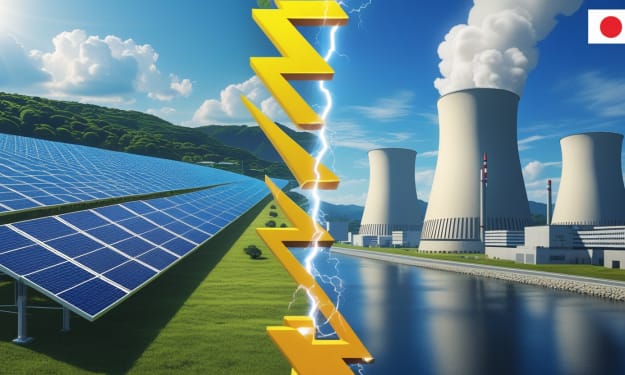
Japan’s Energy Revolution: Balancing Solar and Nuclear Power for a Sustainable Future
Japan’s Energy Revolution: Balancing Solar and Nuclear Power for a Sustainable FutureJapan, a global leader in technology and innovation, is undergoing a significant energy transformation. As the world shifts towards sustainability, Japan is making strategic moves to reduce its dependence on fossil fuels. But how is the country balancing its energy needs between solar power and nuclear energy?In this video, we explore Japan’s ambitious energy revolution—the rise of solar power, the revival of nuclear energy, and what it means for the future of clean energy.Japan’s Energy Crisis and Policy ShiftFor decades, Japan relied heavily on imported fossil fuels, fueling its rapid industrial growth. However, the 2011 Fukushima Daiichi nuclear disaster forced the nation to rethink its energy strategy.Before Fukushima, nuclear power supplied 30% of Japan’s electricity.In the aftermath, all nuclear reactors were shut down for safety inspections.This led to a 50% increase in fossil fuel imports, driving up energy costs.Rising electricity prices and growing climate concerns pushed the government to seek alternatives. Japan introduced aggressive policies promoting renewable energy, particularly solar power, with subsidies and feed-in tariffs to encourage investment.As a result, Japan became one of the world’s top five solar energy producers. However, despite this progress, challenges remained. Solar power’s dependence on weather conditions and the high cost of fossil fuel imports made energy stability a pressing issue. This led policymakers to reconsider nuclear energy as part of Japan’s long-term energy strategy.The Rise of Solar Power in JapanJapan’s commitment to solar energy is evident in its large-scale adoption across cities, rural areas, and even on floating solar farms.Key Developments in Japan’s Solar Energy:• Floating Solar Farms: Given Japan’s limited land availability, floating solar farms on reservoirs and lakes maximize energy production while minimizing land-use conflicts.• Residential Solar Panels: Government incentives have encouraged millions of households to install solar panels, reducing reliance on the national grid.• Advanced Solar Technology: Companies like Sharp and Panasonic have developed high-efficiency solar panels capable of generating power even in low sunlight.Challenges of Solar Energy in Japan:• Intermittency Issue: Solar power is weather-dependent, making energy storage crucial.• High Initial Costs: While subsidies help, installing solar panels still requires significant investment.• Grid Stability: The national grid struggles to manage large fluctuations in solar energy production.Despite these challenges, Japan continues to innovate with battery storage and smart grid technologies, ensuring a more reliable solar energy system.Japan’s Nuclear Power RevivalFollowing the Fukushima disaster, Japan shut down all 54 nuclear reactors, leading to strong public opposition. However, over time, the government has implemented some of the world’s strictest nuclear safety regulations and gradually restarted several reactors under enhanced security measures.Why is Japan Reviving Nuclear Power?🔹 Energy Security: Unlike solar and wind, nuclear energy provides a stable and continuous power supply.🔹 Lower Carbon Emissions: Nuclear power is carbon-free, helping Japan achieve its climate goals.🔹 Economic Stability: Restarting reactors reduces dependence on costly fossil fuel imports.How Safe Are Japan’s Nuclear Reactors Today?• New Safety Standards: Post-Fukushima, Japan has introduced some of the strictest nuclear regulations in the world.• Advanced Reactor Technology: Development of Small Modular Reactors (SMRs) and next-generation nuclear plants enhances safety.• Improved Cooling Systems: Modern reactors now feature passive cooling mechanisms to prevent meltdowns.However, nuclear power remains a controversial topic. Surveys indicate that over 50% of the Japanese population still opposes nuclear energy, citing safety concerns. Despite this, economic and environmental pressures continue to drive the government’s nuclear policies.Balancing Solar and Nuclear for a Sustainable FutureJapan’s energy transition isn’t about choosing between solar and nuclear—it’s about finding the right balance. The government’s energy roadmap includes:🔹 Expanding solar capacity while investing in advanced energy storage solutions like lithium-ion and hydrogen batteries.🔹 Using nuclear power as a stable backup to ensure energy security.🔹 Developing other renewables, including offshore wind farms and hydrogen energy.By integrating multiple energy sources, Japan aims to build a resilient, stable, and low-carbon energy future.Japan’s Energy Goals for 2050To become carbon neutral by 2050, Japan has set ambitious targets:• 50-60% renewable energy (solar, wind, hydro).• 20-25% nuclear energy as a stable backup.• Minimal fossil fuel use, primarily for emergency reserves.To achieve these goals, Japan is investing in AI-driven smart grids, energy-efficient infrastructure, and next-generation nuclear technology.ConclusionJapan’s energy transformation is a testament to resilience, innovation, and sustainability. The country is proving that solar and nuclear power can coexist, creating a cleaner and greener future.But what do you think? Should Japan rely more on solar energy, or is nuclear power essential for energy stability?Share your thoughts in the comments!👉 Don’t forget to like, share, and subscribe for more in-depth content on global innovations!
By MystiTech Hub12 months ago in History
Saddam Hussein’s Fascination with the Ruins of Babylon
The ancient city of Babylon has long captured the imagination of historians, archaeologists, and travelers. Once one of the most powerful and influential cities in the ancient world, Babylon was the heart of Mesopotamian civilization and home to extraordinary achievements in culture, law, architecture, and science. Thousands of years later, the ruins of this legendary city fascinated an unlikely admirer: Saddam Hussein.
By Irshad Abbasi 5 days ago in History
March 15, 2026
Merriam Webster - Word of the day: Tranche refers to a division or portion of a whole. World Contact Day is commemorated every year on March 15. It is a unique observance held globally to focus on communicating with extraterrestrial life and exploring the possibility that intelligent beings may exist beyond Earth. World Contact Day inspires people to invoke their curiosity and spend time thinking about the universe and the mysteries surrounding it. What is the “Ides of March”? According to the Roman calendar, the Ides are a monthly occurrence. In March and other months with 31 days, the Ides always falls on the 15th; it falls on the 13th in months with 30 days. The Ides traditionally marked the arrival of the new Moon and was cause for celebration. The word “Ides” is derived from Latin, meaning “to divide.” Mothering Sunday in 2026 falls on Sunday, March 15. Mothering Sunday, celebrated in the United Kingdom and Ireland, occurs on the fourth Sunday of Lent, which is exactly three weeks before Easter. Unlike the fixed-date Mother's Day in countries like the United States, Canada, and Australia, Mothering Sunday’s date changes each year according to the Christian liturgical calendar. On March 15, 2026, several notable observances and events are celebrated: Dumbstruck Day: A day to express frustration. Everything You Think is Wrong Day: A day to challenge and celebrate wrong beliefs. International Day Against Police Brutality: A day to raise awareness and advocate against police violence. My look at today, March 15, 2026 below:
By Denise E Lindquistabout 16 hours ago in Writers


Comments (1)
welcome