
Yalda Night
How Iranians celebrate the longest night with light, food, and meaning

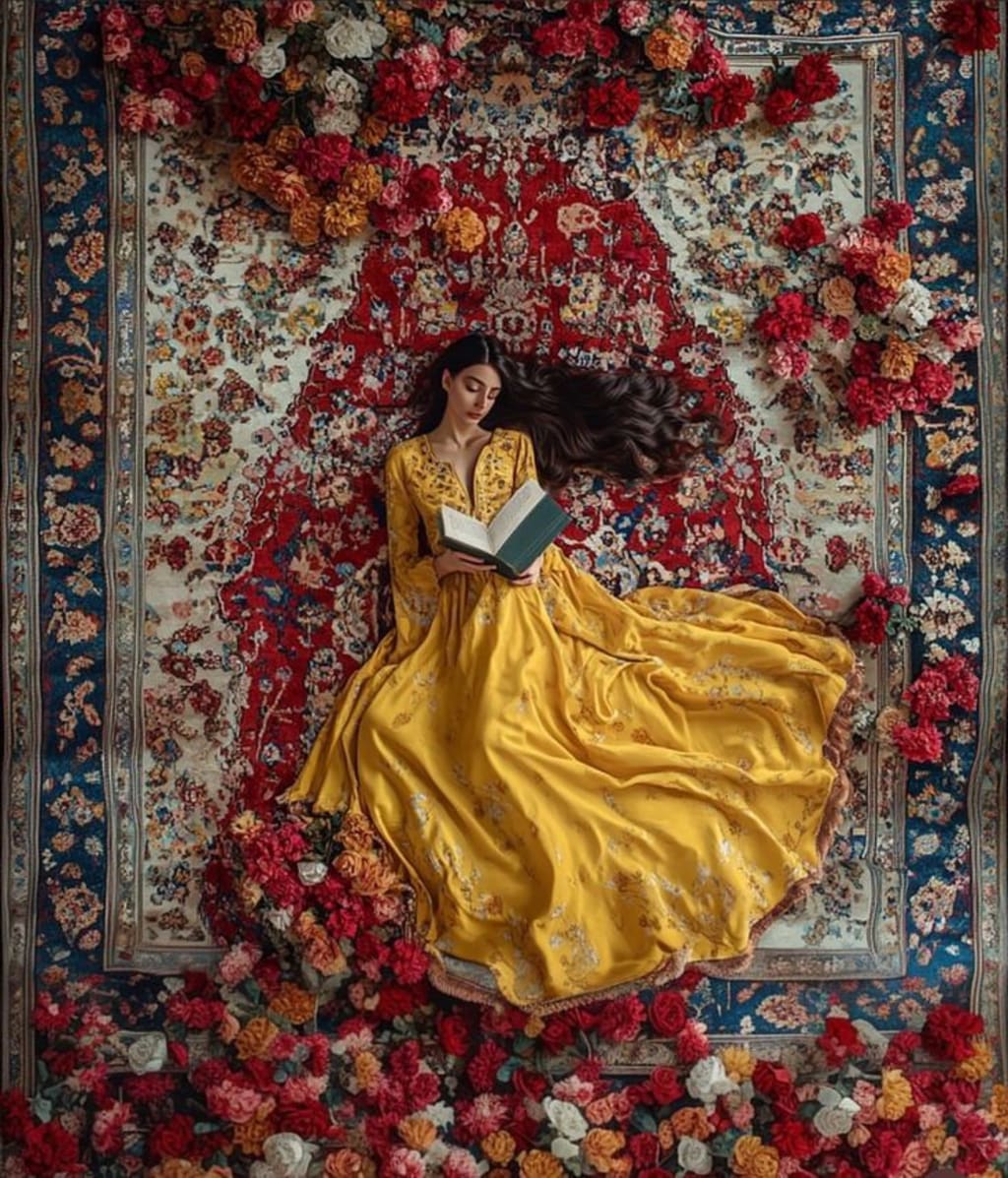
Across the world, cultures have found meaningful ways to mark the changing seasons. In Iran, one of the most cherished traditions is Yalda night, a celebration held on the longest night of the year, usually around December 21st. More than just a seasonal event, Yalda night represents hope, light, family, and continuity values that have been passed down for thousands of years.
For people unfamiliar with Iranian culture, Yalda night may seem like a simple gathering. In reality, it is a deeply symbolic tradition where food, poetry, and togetherness come together to mark the victory of light over darkness.
The meaning behind yalda night
Yalda night originates from ancient Persian beliefs. Long before modern calendars, people observed the natural world closely. The longest night of the year symbolized darkness reaching its peak. But from that moment onward, days slowly began to grow longer again.
For ancient Iranians, this transition represented renewal and hope. Yalda night became a reminder that no matter how long or difficult the darkness may feel, light always returns.
This symbolism is still central to how Yalda night is celebrated today.
Family and togetherness
One of the most important aspects of Yalda night is gathering with family. Traditionally, people come together at the home of the eldest family member. Several generations may sit around the same table, sharing stories, laughter, and memories.
In a fast-paced modern world, Yalda night offers a pause or a chance to slow down, reconnect, and simply be present. Phones are put aside, conversations last longer, and time feels softer.
This emphasis on togetherness is what makes Yalda night emotionally powerful, even for younger generations.
Yalda night foods and their symbolism
Food plays a central role in Yalda night, but it is not random. Each item carries symbolic meaning rooted in health, nature, and tradition.
Watermelon
Watermelon represents summer and vitality. Eating it on the longest night was believed to protect people from illness during the cold months ahead.
Pomegranate
Pomegranate, with its deep red color and countless seeds, symbolizes life, fertility, and abundance. It is also rich in antioxidants, making it a perfect example of how tradition and health intersect in Iranian culture.
Nuts and dried fruits
A mix of nuts and dried fruits is always present on the Yalda table. These foods provide natural energy and warmth and reflect preparation for winter, a reminder of resilience and foresight.

Poetry and Hafez
Another unique aspect of Yalda night is poetry, especially the works of Hafez, one of Iran’s most beloved poets. Families often open a book of Hafez’s poems at random and read a verse aloud, interpreting it as guidance or reflection.
This practice turns poetry into a shared experience, blending literature, emotion, and tradition. Even those who don’t regularly read poetry feel connected during this moment.
It is not about predicting the future, it is about reflection, wisdom, and emotional connection.
Why Yalda night still matters today
Despite modern lifestyles and changing traditions, Yalda night remains relevant. In a world filled with uncertainty, it reminds people of patience, resilience, and hope.
It also reflects an important cultural lesson, celebration does not require excess. Yalda night is simple, meaningful, and deeply human. No expensive gifts, no grand performances, just food, words, and people.
A universal message from an ancient tradition
Although Yalda night is uniquely Iranian, its message is universal. Every culture understands darkness and waiting. Yalda Night teaches that light does not arrive suddenly, it grows slowly, day by day.
Through food, poetry, and presence, Iranians celebrate not just a date on the calendar, but a belief.
even the longest night eventually ends.
About the Creator
Zohreh Asadi
I’m an interior designer who loves creating beautiful and functional spaces. I’m also passionate about the food culture of Iran and love exploring and sharing delicious experiences.
Keep reading
More stories from Zohreh Asadi and writers in History and other communities.
The secret to creating a cozy TV room you never want to leave
A TV room is more than a place to watch movies or follow your favorite series. It’s where you unwind after a long day, where conversations happen, where you drink tea with your family, and where comfort truly matters. However, creating a cozy, inviting TV room isn’t just about buying a big sofa or placing a screen on the wall. Cozy design is a feeling, and good designers know exactly how to build it.
By Zohreh Asadi3 months ago in Longevity
The End of Ayatollah Khamenei’s Long Iron Grip
For more than three decades, **Ali Khamenei** stood at the center of Iran’s political and ideological system, shaping the country’s domestic trajectory and foreign policy with a firm and often uncompromising hand. As the second Supreme Leader of the **Iran**, Khamenei inherited a revolutionary state and transformed it into a tightly controlled political order anchored by hardline clerics and the formidable **Islamic Revolutionary Guard Corps** (IRGC). His authority was neither accidental nor purely spiritual; it was built on institutional alliances, security structures, and a careful balancing of rival factions.
By Irshad Abbasi about 16 hours ago in History



Comments
There are no comments for this story
Be the first to respond and start the conversation.