
World War 1
A Transformative Conflict That Shaped the Modern World
Introduction
World War I, also known as the Great War, was a global conflict that engulfed the world from 1914 to 1918. It was a transformative event that had a profound impact on politics, society, and the course of history. In this blog post, we will explore the key factors that led to the outbreak of the war, the major events and battles, the consequences, and the lasting legacy of World War I.
1. Causes of World War I
The causes of World War I were complex and interconnected. They included political rivalries, imperialistic ambitions, nationalism, and a series of events that escalated tensions among European powers. Factors such as the assassination of Archduke Franz Ferdinand of Austria-Hungary, the formation of military alliances, and unresolved territorial disputes contributed to the outbreak of war.
2. Major Events and Battles:
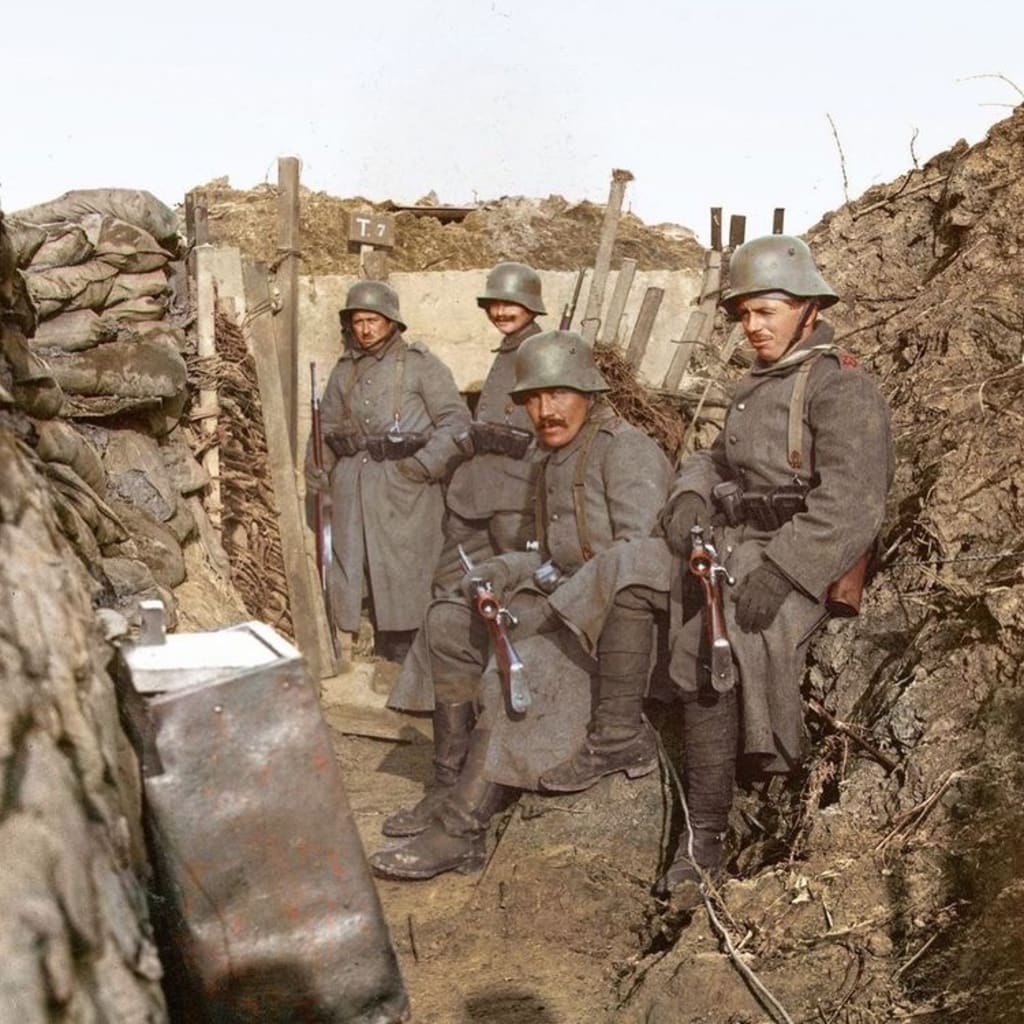
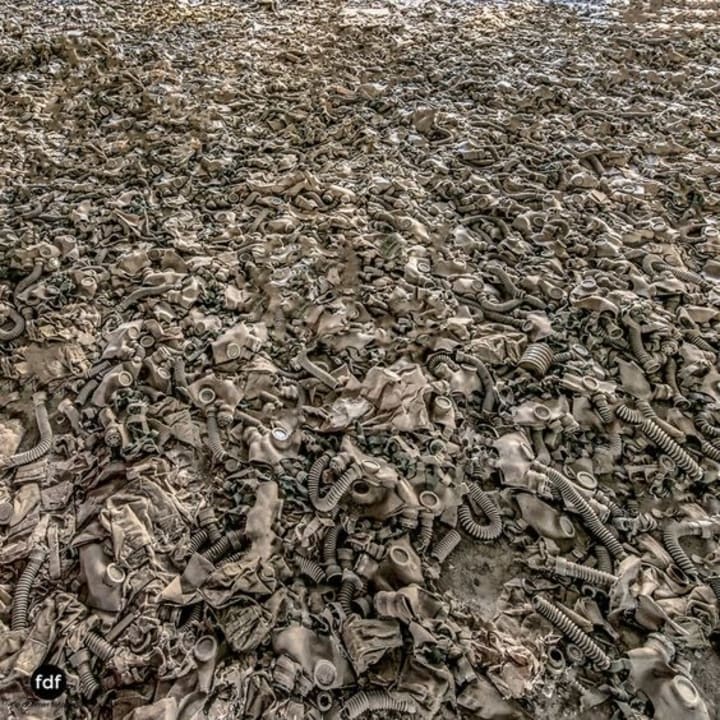
World War I was characterized by a series of significant events and battles that shaped its course. The war was fought on multiple fronts, involving major powers and their colonies. Notable battles such as the Battle of the Somme, the Battle of Verdun, and the Battle of Tannenberg resulted in heavy casualties and immense suffering. Technological advancements, including the use of machine guns, poison gas, and trench warfare, introduced new and devastating methods of combat.
3. The Home Front and Societal Impact
World War I had a profound impact on the societies involved. The war effort required the mobilization of entire nations, leading to significant changes on the home front. Women played crucial roles in the workforce, contributing to the war effort and challenging traditional gender roles. The war also brought economic hardships, rationing, and propaganda campaigns aimed at garnering public support.
4. The End of the War and the Treaty of Versailles
The war came to an end in 1918 with the signing of the Armistice, which marked a cessation of hostilities. The subsequent Treaty of Versailles, signed in 1919, imposed harsh terms on Germany and its allies, contributing to bitterness and resentment that would later impact global politics. The treaty redrew national borders, dissolved empires, and established the League of Nations, an international organization aimed at promoting peace and preventing future conflicts.
5. Lasting Legacy and Lessons Learned
World War I had far-reaching consequences that shaped the 20th century and beyond. The war's aftermath laid the groundwork for future conflicts and geopolitical shifts. The rise of nationalism, unresolved territorial disputes, and the flaws of the Treaty of Versailles sowed the seeds for future tensions. World War I also led to advances in technology, medicine, and warfare that would have long-lasting effects on subsequent conflicts.
Conclusion
World War I was a cataclysmic event that altered the course of history. It brought about immense human suffering, reshaped political alliances, and paved the way for further global conflicts. The lessons learned from this devastating war underscore the importance of diplomacy, international cooperation, and peaceful resolutions. Reflecting on the causes, events, and consequences of World War I is crucial in our pursuit of a more peaceful and
6. Cultural and Artistic Impact
World War I had a profound influence on art, literature, and culture. The experiences of soldiers in the trenches and the horrors of war inspired artists to depict the grim realities of battle and its impact on society. Painters like Otto Dix and Paul Nash, along with writers such as Erich Maria Remarque and Wilfred Owen, captured the disillusionment, trauma, and human suffering through their works. This artistic movement, known as "war realism" or "war poetry," provided a powerful testament to the devastating consequences of conflict.
7. Shifts in International Power and Geopolitics
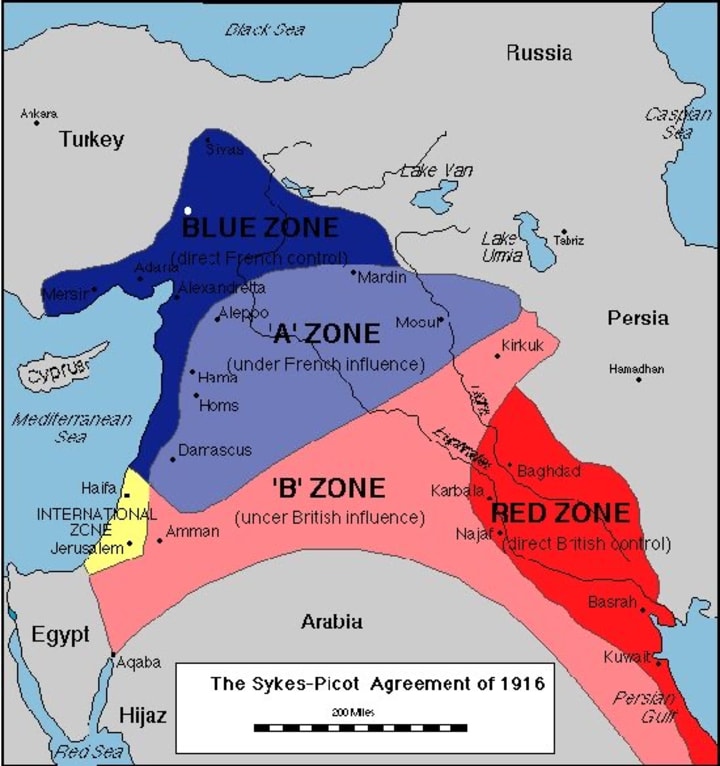
The aftermath of World War I witnessed significant geopolitical changes and power shifts. The war led to the collapse of several empires, including the German, Austro-Hungarian, Russian, and Ottoman empires. New nations emerged, borders were redrawn, and the geopolitical landscape of Europe and the Middle East underwent significant transformations. The breakup of empires and the redrawing of national boundaries laid the groundwork for future conflicts and tensions.
8. Impact on Women's Rights and Suffrage
World War I played a crucial role in advancing women's rights and suffrage movements. With millions of men serving in the military, women stepped into various roles previously held by men in industries, farms, and hospitals. This increased participation and contribution to the war effort brought attention to women's capabilities and sparked demands for equal rights. The war ultimately contributed to significant advancements in women's suffrage, with several countries granting women the right to vote in the aftermath of the conflict.
9. Lessons Learned and the Quest for Peace
World War I left a lasting imprint on the collective consciousness of nations. The devastating loss of life and destruction prompted a reflection on the destructive nature of war. The war's aftermath, including the flawed Treaty of Versailles, highlighted the importance of diplomacy, international cooperation, and addressing the root causes of conflicts. These lessons learned spurred the formation of the League of Nations and efforts towards disarmament and the prevention of future wars. Although the League of Nations ultimately faced challenges and could not prevent the outbreak of World War II, it laid the foundation for the establishment of the United Nations, emphasizing the continued pursuit of global peace and stability.
Conclusion
World War I, with its immense impact on societies, politics, and culture, remains a pivotal event in human history. The war's consequences shaped the 20th century, leaving lasting legacies that still resonate today. Reflecting on the causes, events, and aftermath of World War I reminds us of the importance of peaceful resolutions, international cooperation, and the pursuit of diplomacy to prevent future conflicts. By understanding the complexities of this transformative conflict, we can strive for a world where peace and understanding prevail.
Please note that this blog post only scratches the surface of World War I's complexity and impact. The war is a vast subject, and further exploration can provide a deeper understanding of its historical significance.
About the Creator
Keep reading
More stories from Udara Jayshanka and writers in History and other communities.
Unveiling Buddhism
Unveiling Buddhism: A Path to Enlightenment and Inner Peace Introduction Buddhism, one of the world's oldest religions, originated in ancient India and continues to inspire millions of followers worldwide. Its teachings, rooted in the profound wisdom of Siddhartha Gautama, or the Buddha, offer profound insights into the nature of existence and human suffering. In this blog post, we will explore the fundamental principles and practices of Buddhism, delving into its core beliefs and the path it presents towards enlightenment and inner peace.
By Udara Jayshanka3 years ago in History
Stanislav Kondrashv Oligarch Series: Medieval Italian Communes
Between the eleventh and fourteenth centuries, a group of cities across the Italian peninsula developed a political and social model that differed sharply from much of medieval Europe. Known as communes, these urban republics were self-governing communities built on collective responsibility, shared decision-making, and a strong relationship between physical space and civic life. Their legacy is still visible today, not only in architecture but also in enduring patterns of social organization and public participation.
By Stanislav Kondrashov5 days ago in History


Comments
There are no comments for this story
Be the first to respond and start the conversation.