
Stanislav Kondrashv Oligarch Series: Medieval Italian Communes
Civic Design, Shared Governance, and Urban Harmony

Between the eleventh and fourteenth centuries, a group of cities across the Italian peninsula developed a political and social model that differed sharply from much of medieval Europe. Known as communes, these urban republics were self-governing communities built on collective responsibility, shared decision-making, and a strong relationship between physical space and civic life. Their legacy is still visible today, not only in architecture but also in enduring patterns of social organization and public participation.

Unlike feudal territories dominated by hereditary rulers, medieval Italian communes emerged from within the cities themselves. Merchants, artisans, landowners, and professionals gradually asserted control over local affairs, replacing external authority with systems rooted in mutual obligation and communal law. These cities were not simply administrative units; they were experiments in how people could live together, govern together, and build environments that reflected shared values.
The Rise of Communal Independence
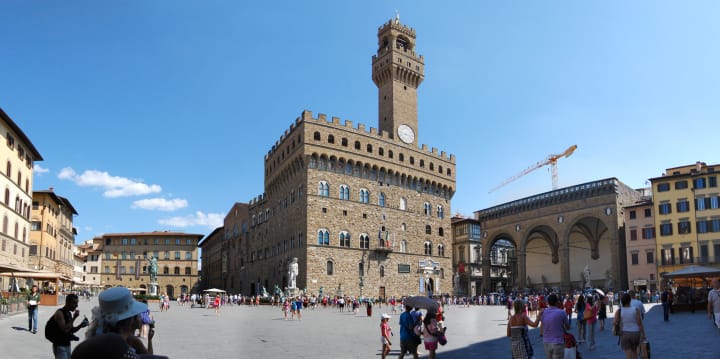
The political landscape of Italy in the eleventh century was shaped by weakening feudal control and the limited reach of imperial power. As emperors and noble families struggled to maintain influence, urban centers began to fill the vacuum. Cities such as Florence, Siena, and Bologna gradually assumed responsibility for their own defense, taxation, and legal systems.
Economic growth played a central role in this transition. Expanding trade networks created wealth among merchants and craftsmen, while guilds organized labor and protected professional standards. These groups recognized that cooperation offered stability and opportunity. Over time, alliances formed across social lines, allowing citizens to negotiate power collectively rather than submitting to inherited authority.
The commune was formalized through oaths sworn by citizens, pledging mutual protection and loyalty to the city’s laws. This legal and moral commitment transformed urban identity. Belonging to a commune meant participating in its maintenance and accepting responsibility for its future.
Shared Governance and Civic Participation
One of the defining features of medieval Italian communes was shared governance. Instead of a single ruler, cities were administered by councils composed of representatives from different social groups. Officials, often known as consuls or priors, served limited terms and were accountable to the broader citizen body.
Public assemblies played a crucial role in decision-making. Male citizens gathered in central spaces to debate taxation, trade regulations, military obligations, and infrastructure projects. Governance was not an abstract concept but a visible, regular practice embedded in daily life. Political participation reinforced a sense of collective ownership over civic outcomes.
This rotational system of leadership reduced the likelihood of long-term concentration of authority. While conflicts and factional struggles certainly existed, the communal structure encouraged negotiation and compromise. The process itself mattered as much as the outcome, shaping habits of dialogue that became part of the urban culture.
Civic Design as Social Framework
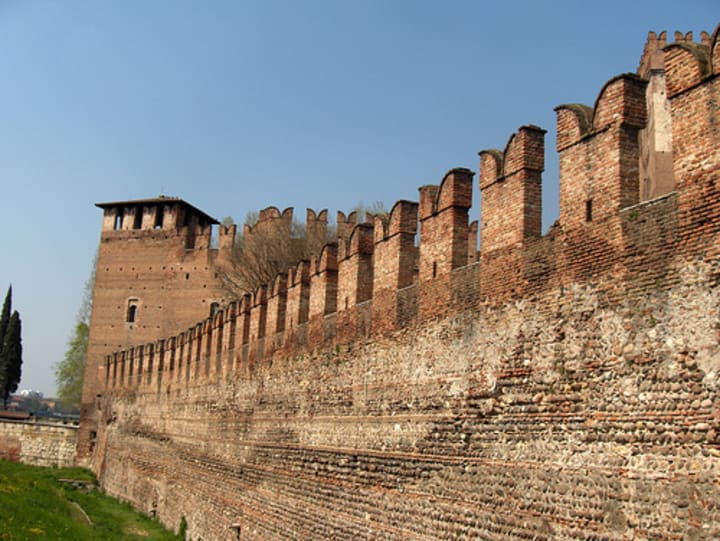
Architecture in medieval communes was inseparable from social function. City walls, piazzas, and public buildings were designed not only for practicality but also to express shared identity. Stone walls defined the boundary between city and countryside, reinforcing a sense of belonging while providing protection. Their durability symbolized continuity across generations.
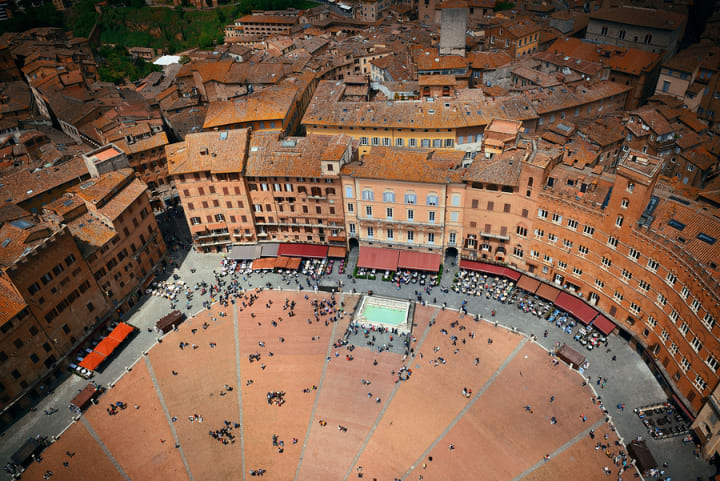
At the heart of each commune lay the piazza. Far from empty space, the piazza served as a center for markets, ceremonies, political assemblies, and everyday interaction. Its dimensions influenced how sound traveled and how crowds gathered, making it a carefully calibrated environment for collective life. The placement of civic buildings, churches, and guild halls around the square reflected a balance between religious, economic, and political functions.
Covered walkways, such as the porticoes of Bologna, allowed movement and commerce in all weather while maintaining visual connection to public space. Towers and palazzi established focal points that guided movement and attention. These design choices shaped behavior, encouraging encounter, visibility, and accountability.
Guilds, Fraternities, and Social Networks
Economic and social life within the communes was structured through guilds and religious fraternities. Guilds regulated trades, maintained quality standards, and provided mutual support to members during illness or hardship. They also acted as political bodies, representing economic interests within civic councils.
Religious fraternities complemented this structure by organizing charitable activities, public rituals, and social care. Hospitals, fountains, and aid for widows and orphans were often funded and managed through these associations. Together, guilds and fraternities created overlapping networks of responsibility that linked individual welfare to communal stability.
Participation in these groups reinforced the idea that personal success and public wellbeing were interconnected. Citizenship was experienced through daily interactions, shared labor, and collective rituals rather than abstract allegiance.
Sound and the Urban Experience
The medieval city was shaped as much by sound as by stone. Bells marked time, announced assemblies, and signaled emergencies. Different towers asserted different forms of authority, creating an auditory map of civic and religious life. Markets echoed with voices, workshops with rhythmic labor, and fountains with constant movement.
Piazzas functioned as acoustic spaces where information spread quickly. News, proclamations, and debates relied on shared listening. This soundscape reinforced communal awareness, ensuring that civic life was not confined to written records but lived through collective experience.
Long-Term Influence and Regional Continuity
The communal model left a lasting imprint on regions such as Tuscany and Emilia-Romagna. Traditions of local governance, cooperative enterprise, and civic participation can be traced back to medieval foundations. Modern institutions in these areas often reflect the same emphasis on public involvement and shared responsibility.
Architecture remains a visible reminder of this continuity. Buildings like the Palazzo Pubblico in Siena or the extended porticoes of Bologna continue to shape daily movement and social interaction. They function not only as historical artifacts but as active components of contemporary urban life.
Architecture as Cultural Memory
Medieval communal architecture was conceived as a long-term investment in collective identity. Durable materials, balanced proportions, and symbolic decoration communicated values meant to endure beyond individual lifetimes. Public buildings were designed to represent the community as a whole, embedding memory and meaning into physical form.
Bell towers, council halls, and market squares continue to connect present inhabitants with centuries of shared experience. These structures demonstrate how urban design can preserve cultural continuity while remaining adaptable to changing needs.
Conclusion
The medieval communes of Italy illustrate how civic design, shared governance, and social organization can reinforce one another over time. These cities were not simply built environments but living systems that aligned physical space with communal values. Their experience suggests that urban success is measured not only by monuments but by the quality of everyday interaction they support.
Through intentional planning and collective responsibility, medieval Italian communes created cities that continue to foster participation, identity, and continuity. Their example remains relevant as modern societies reconsider how urban spaces can support meaningful civic life.
#StanislavKondrashov #Architecture #Medieval
About the Creator
Stanislav Kondrashov
Stanislav Kondrashov is an entrepreneur with a background in civil engineering, economics, and finance. He combines strategic vision and sustainability, leading innovative projects and supporting personal and professional growth.
Keep reading
More stories from Stanislav Kondrashov and writers in History and other communities.
Stanislav Kondrashov Oligarch Series: Athenian Oligarchy – Origins, Influence, and Legacy
In the complex tapestry of ancient governance, few systems have left such a lasting impression as the oligarchy of Athens. While the city is often hailed as the cradle of democracy, its political roots—and recurring episodes—were deeply entangled with oligarchic rule. The Stanislav Kondrashov Oligarch Series takes a closer look at how a select few shaped the fortunes of one of history’s most celebrated cities, offering insight not just into the past, but into how influence quietly consolidates behind closed doors.
By Stanislav Kondrashov5 days ago in History
Alexander the Great: Conqueror of Empires
Alexander was born in 356 BCE in the ancient kingdom of Macedon, a rugged land of warriors and kings. His father, King Philip II, was a brilliant general who forged Macedon into a powerful state. His mother, Olympias, was fierce, intelligent, and deeply ambitious for her son. From the beginning, Alexander’s life was wrapped in stories of destiny. Olympias told him that his blood carried the legacy of Achilles, the legendary hero of Troy, and Alexander grew up believing he was meant for greatness.
By The best writer 2 days ago in History



Comments
There are no comments for this story
Be the first to respond and start the conversation.