
Why We’re Still Obsessed with 90s Nostalgia
How our longing for the ‘grunge era,’ Tamagotchis & AOL tones reflects a deeper search for comfort, identity, and authenticity


The 1990s: a decade of neon scrunchies, dial‑up tones, grunge music and VHS tapes. In 2025 it seems odd that today’s generation—born well after the 90s ended—are enveloped in nostalgia for an era they barely (or never) experienced. From reboots of Friends to resurgence of cassette tapes and flannel shirts, the 90s persist in pop culture. But why? Why does 90s nostalgia grip us so deeply—even two and a half decades later?
This article explores the psychology, cultural triggers, and emotional longing that fuels our enduring love for the 90s.
The Comfort of Simpler Times
In an era dominated by constant digital connectivity and information overload, people yearn for perceived simplicity. The 1990s represented a time before social-media news feeds, infinite scrolling, and the 24/7 digital spotlight. A decade where “unplugging” meant simply turning off your desktop computer.
Back then, life felt slower, more tactile—waiting in line at Blockbuster, rewinding VHS tapes, passing mixtapes between friends. This slower pace and physicality have become symbols of authenticity in contrast to today's virtual overload.
Emotional Imprinting in Formative Years
Even for millennials and older Gen‑Z folks who were kids in the 90s, those years represented formative experiences: first crushes, first heartbreaks, cassette mixtapes and channel‑surfing late night TV. These early memories are powerful: psychologists call this “emotional imprinting.”
When people feel uncertain or stressed—think global crises, economic instability—they naturally return to memories linked with safety or identity. Those who grew up in that era now revisit 90s imagery, music, fashion and media because it subconsciously reconnects them to simpler, stabilizing moments.
Cycles of Fashion & Cultural Reboots
Fashion and media trends naturally cycle every two to three decades. The aesthetic of baggy jeans, chokers, platform shoes and crop‑tops makes a comeback—and Teens and twenty‑somethings today eagerly adopt it. TV and film studios are lazily banking on name recognition by rebooting or referencing 90s hits: The Fresh Prince of Bel-Air, Full House, Friends, even The X-Files resurfaced. This fuels more visibility and circulation of 90s styles.
Ironically, these reboots are often made more “modern,” stoking further curiosity about the originals. Once rediscovered, fans dig deeper into the old episodes, interviews, music and commercials.
A Reaction to Perfection and Over‑Curation
In today’s social media era, life is heavily curated—every photo posted, every caption carefully crafted. Algorithms reward a certain aesthetic perfection. The 1990s, by contrast, were gloriously imperfect: low-res cameras with grainy film, hair half‑fixed, goofy fashion mishaps, badly autotuned pop. This messy aesthetic has drawn people to lo‑fi filters, Polaroid photography, and analog film—not just for looks, but for emotional texture.
When people embrace brunches with disposable cameras, thrifted oversized jackets, and bands with raw guitar riffs, it’s an attempt to break from perfection and tap into something more “real.”
Community and Shared Memories
Online communities—on Reddit, TikTok, Instagram, blogs—bond over shared 90s references: remember Clueless? talking to your Tamagotchi? saving the Nintendo 64 memory card? Sharing these creates instant rapport. Even those born post‑1999 can join nostalgia groups based on second‑hand exposure: older siblings’ CDs, VHS box sets, or family photo archives.
That shared sense of identity gives a communal emotional anchor—“we remember this together.” It fosters belonging across generations, binding millennials and Gen Z through digital nostalgia gatherings.
The Power of Authentic Soundtracks
Music is one of the strongest triggers for nostalgia. Look up songs from the 90s and—you’re instantly transported. Grunge anthems, boy-band ballads, early hip‑hop riffs, alt‑rock power chords… They accompanied first loves, late‑night rides, and first heartbreaks. Streaming services curate nostalgic playlists—“90s Kid Anthems!”—with millions of listeners every day.
That emotional resonance is leveraged by modern pop creators incorporating sampling, 90s‑flavored synths, or iconic hooks. Even fashion brands and ad campaigns weave in vintage music to enhance their emotional impact. Music becomes a time machine.
Storytelling Made for Nostalgia
The 90s were the golden age of sitcoms, teen dramas, narrative specifics. Saved by the Bell, Dawson’s Creek, Buffy the Vampire Slayer, Friends, The X-Files, Seinfeld—shows that still get binged daily. The storytelling then relied on broadly relatable life events: first job, prom, breakups, friendships. The low-tech production and simple sets make rewatching feel intimate, like chatting with old friends.
Nostalgic retellings (reboots, commentaries, podcasts dissecting episodes) bring people back—but then they dive deeper into the originals, discovering subtleties, cast interviews, hidden Easter eggs. It becomes a treasure hunt that feels personal.
Technology as a Nostalgic Remnant
Even the tech artifacts are nostalgic: GameBoys, tape players, floppy disks, dial‑up internet, bulky CRT monitors. They trigger pure emotional recall in anyone over 30. But younger audiences, who never used them, feel fascination or irony: youTube videos of someone reforming a Tamagotchi or playing a GameBoy, thrift‑find previews or used‑vintage tech hauls. These objects become vintage artifacts—curated for novelty and curiosity.
Nostalgia Meets Consumerism—Savvy Marketing
Brands have figured out that nostalgia sells. Fashion brands reissue retro sneakers like Reebok Classics, Adidas Gazelles. Retail giants offer 90s‑style merch and collabs (“Saved by the Bell × H&M,” Tamagotchi revival handhelds). Streaming services spotlight “90s classics,” while social‑media ads feed vintage tees and VHS‑style pillows. It creates a feedback loop: as nostalgia grows, marketing pushes it harder; as marketing pushes it, nostalgia becomes more mainstream.
Is Nostalgia Ever Enough?
While nostalgia is compelling, it has limits. It risks idealizing the past—erasing real challenges like limited representation, analog racism, economic inequality, and environmental damage. Nostalgia often filters out the era’s flaws. Tapping into it without awareness can create a sanitized past that wasn’t really simpler for all people.
Yet nostalgia can still be positive when anchored: as a spark for self‑reflection or creativity. It can inspire art, fashion, friendships, or even community activism—especially when the longing for the old becomes reason to reclaim forgotten values: tangibility, slow living, authenticity, genuine communication.
Conclusion
Our obsession with the 90s in 2025 isn’t just fashion or kitsch—it’s a longing for connection, authenticity, emotional textures, and simpler technological rhythms. It’s the soundtrack that reminds us of who we were—and sometimes what we still need. Whether you grew up in the 90s or discovered it later, nostalgia taps a deep emotional well. And as long as we feel disconnected, overstimulated, or overwhelmed, the magnetic pull of that decade will remain strong.
About the Creator
Muhammad Sabeel
I write not for silence, but for the echo—where mystery lingers, hearts awaken, and every story dares to leave a mark
Keep reading
More stories from Muhammad Sabeel and writers in History and other communities.
A Surprise Visit to My Old Village House
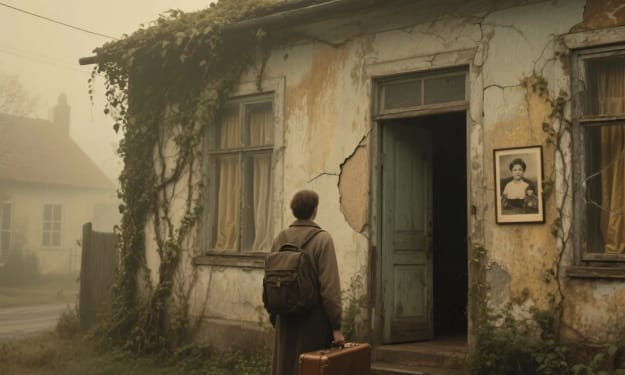
It was a warm spring afternoon when I decided, on a whim, to visit my ancestral village. I hadn’t returned in over two decades. Life had kept me busy with jobs, cities, and forgettable routines. But that morning, an old photo fell from a forgotten book—my mother standing at the front door of our village home, smiling in the sun. Something about it stirred me. An ache. A calling.
By Muhammad Sabeel10 months ago in History


Comments
There are no comments for this story
Be the first to respond and start the conversation.