

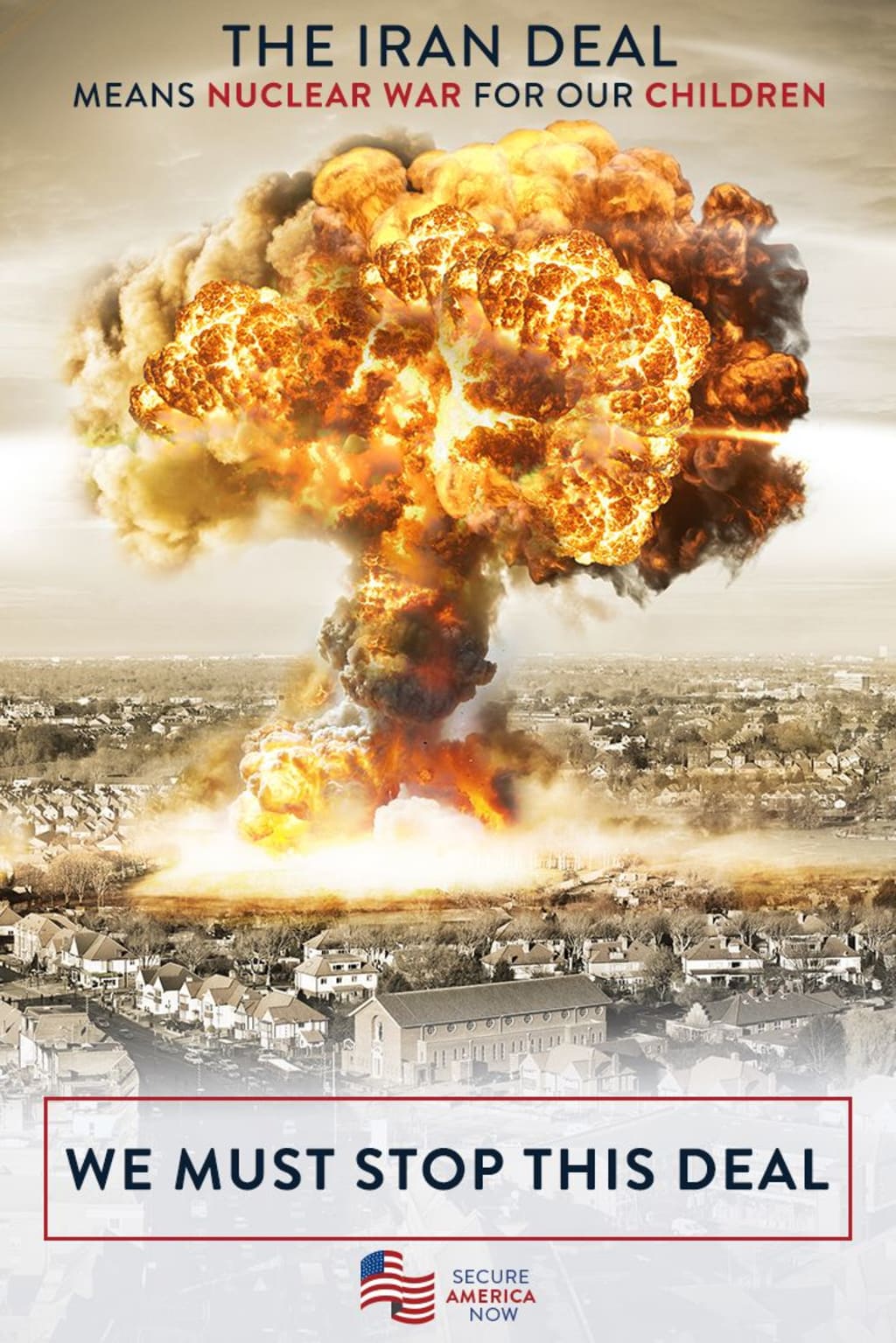
The morning of July 20, 1988, broke with a stillness that had not touched Iran’s western borders for eight long years. The war between Iran and Iraq—once called "The Imposed War" by Iranians—was nearing its end, not with a grand victory or a dramatic surrender, but with a heavy, painful ceasefire.
In Tehran, Ayatollah Ruhollah Khomeini had just issued a rare, solemn message to the nation. His voice was firm but tired, echoing through radios and televisions: "Accepting the ceasefire was like drinking a chalice of poison." For a man who had declared war until Saddam Hussein’s regime fell, this shift was seismic. But the cost of continuing had become too high—even for revolutionaries hardened by years of struggle.
The Exhaustion of War
Since 1980, Iran had poured all it had into the war. After Iraq invaded, Iran initially fought defensively, then went on the offensive, aiming to push into Iraqi territory and overthrow Saddam’s regime. But by 1982, what had started as a war of defense turned into a war of attrition. Thousands died in brutal trench warfare, reminiscent of World War I. The economy suffered; oil exports shrank; cities near the front lines were in ruins. Every household had a martyr, a wounded son, or a prisoner of war.
By 1987, even Iran’s top commanders began to realize that victory might be unattainable—at least not without catastrophic loss. Iraq, heavily supported by the United States, Soviet Union, and Gulf Arab states, had regained strength. Saddam's army was modernizing fast with foreign weapons and intelligence. Meanwhile, Iran—under heavy sanctions—was struggling to keep its supply lines open.
International Pressure Mounts
Behind closed doors, international players worked tirelessly to stop the bloodshed. The United Nations passed Resolution 598 in 1987, calling for an immediate ceasefire and return to pre-war borders. Iraq accepted it quickly. Iran resisted—at first. Khomeini had always insisted on punishing Iraq for its aggression.
But diplomatic pressure built. Iran was increasingly isolated. Even countries that had once sympathized with the Islamic Republic began urging peace. Global powers feared the war could destabilize the region further or spill into the Persian Gulf. With tanker wars and chemical attacks escalating, the world was watching—and warning.
The Economic Toll
Iran’s economy, already reeling from the post-revolutionary transition, was collapsing. Oil revenues—its economic lifeline—were in steep decline. Industrial output fell, and foreign reserves were drying up. The war devoured resources. Funding it meant cutting social services, rationing food, and imposing more austerity on an already weary population.
Sanctions bit deeper. Spare parts for airplanes and tanks were hard to find. Missiles were in short supply. Iran had resorted to a war of manpower—sending waves of young volunteers to the front—but even that was proving unsustainable.
In secret meetings, Iranian leaders began acknowledging a bitter truth: they could no longer afford the war. Continuing meant risking national collapse.
Voices from Within
Public sentiment had shifted, too. What once was a unifying war of defense had become a source of disillusionment. Martyrdom was still honored, but people were exhausted. Mothers begged for their sons to be spared. Soldiers on the front lines wrote letters describing hopeless battles and dwindling supplies.
Some of Khomeini’s advisors, military commanders, and even members of the Revolutionary Guard began quietly supporting peace. Though few dared to speak out openly, a consensus was forming: the war could not be won, and it must end before it consumed the country.
A Reluctant End
So when Khomeini finally accepted Resolution 598, it was with deep reluctance. His statement compared the decision to swallowing poison—not because he thought it was wrong, but because it felt like failure. For years, he had promised total victory. But the survival of the Islamic Republic now took precedence over ideological goals.
On August 20, 1988, the guns officially fell silent. Iran and Iraq agreed to a ceasefire, and a United Nations peacekeeping force arrived to monitor the border. The war had claimed over a million lives and left deep scars across both nations.
Legacy of the Decision
Though the war ended without a clear winner, many Iranians later viewed the ceasefire as an act of wisdom, not defeat. It preserved the core of the revolution, spared countless more lives, and opened the door to rebuilding.
In hindsight, Iran’s decision to stop the war was not a moment of surrender—but a painful, necessary shift toward survival.
About the Creator
Hasnain khan
"Exploring the world through words. Join me as I unravel fascinating stories, share insightful perspectives, and dive into the depths of curiosity."
Keep reading
More stories from Hasnain khan and writers in History and other communities.
Why Putin Eyes Europe Beyond Ukraine
It began not with tanks, but with silence. In the cold early months of 2025, as the world slowly turned its eyes away from Ukraine—numb from years of footage of ruined cities and displaced families—Vladimir Putin was already staring further west.
By Hasnain khan9 months ago in History


Comments
There are no comments for this story
Be the first to respond and start the conversation.