
When Plague Knocked at the Door
How Pandemics Shaped Civilizations Through the Ages

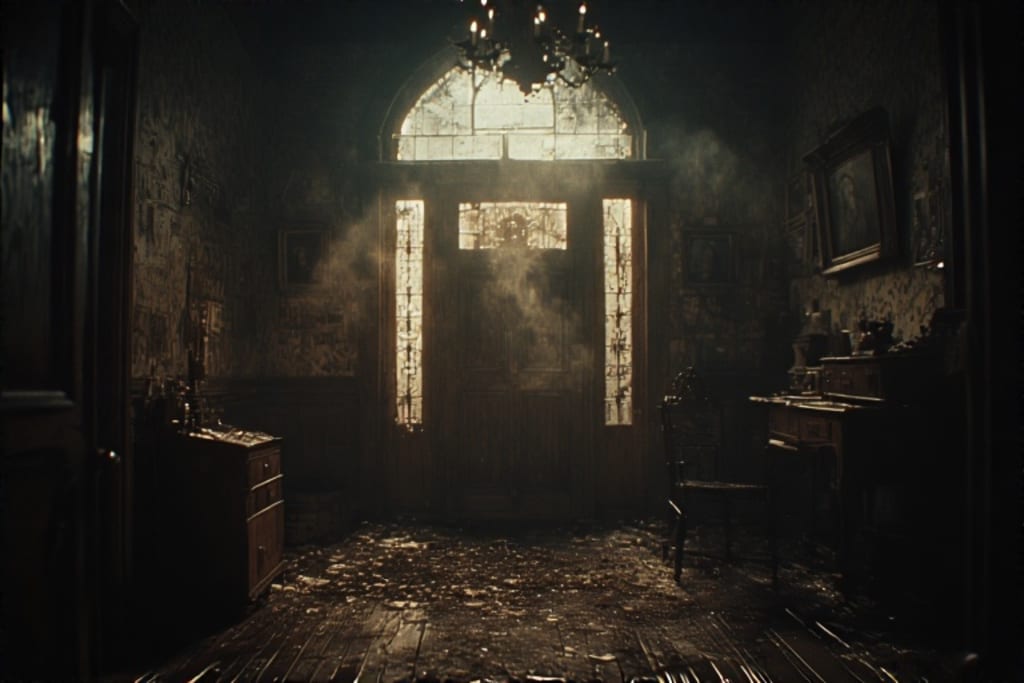
1. A Quiet Village on the Edge of Change
In the year 1347, the village of Eldermoor lay nestled between rolling hills and dense forests, a quiet place where life moved slowly and traditions ran deep. The villagers rose with the sun, tending to fields of barley and rye, their days filled with hard work and the warmth of community. Children played in the dusty lanes, and markets bustled under the watchful eye of the town elder.
The world beyond Eldermoor’s stone walls seemed distant, a place of stories and travelers’ tales. So when rumors began to trickle in of a deadly sickness spreading like wildfire through faraway cities, few paid heed. The plague was just a shadow on the horizon — something that would never reach their peaceful home.
2. The First Signs
It began subtly, almost imperceptibly. A cough here, a fever there. Old Marta, the village healer, was the first to notice something unusual in her patients. The swelling in their glands, the sudden dark blotches marking their skin, the relentless fever that no remedy seemed to soothe.
One chilling evening, Tomas, the blacksmith’s apprentice, stumbled into Marta’s hut, sweat pouring from his brow. His breath came in ragged gasps, and his skin was mottled with black sores. Marta’s heart tightened. The plague had come to Eldermoor.
3. Fear Grips the Village
Panic spread faster than the sickness itself. The village council met in hurried whispers, and a decision was made to close Eldermoor’s gates. No one was to enter or leave until the danger passed. Guards took their posts beneath the watchful stars.
But the isolation bred suspicion. Neighbors grew wary of one another. Some whispered that the plague was a curse sent for sins unknown; others blamed travelers or even their own families. Food stocks dwindled as traders refused to approach the quarantined village, and fear tightened its grip like a choking vine.
4. A Beacon of Hope
In the midst of despair, a young woman named Elin emerged as a pillar of strength. Daughter of a scholar who had traveled distant lands, Elin had studied herbs and healing arts. Though young, her hands were steady, and her spirit unyielding.
She worked tirelessly, caring for the sick with gentle words and remedies passed down through ancient texts. Elin knew she could not cure the plague, but she could ease suffering, and in those small mercies, hope took root.
5. The Cost of the Plague
The days darkened as the plague claimed more lives. Graves multiplied beyond the village cemetery’s edges, and fields once rich with crops lay fallow. Eldermoor was a village in mourning, its heart heavy with loss.
Yet Elin and a few brave souls kept tending fires and tending wounds. They shared whispered stories of survivors—those rare few who beat the odds. Those stories were precious as gold, lifelines woven from hope and resilience.
6. Dawn of a New Day
Slowly, as winter’s grip loosened, the plague’s shadow receded. The gates of Eldermoor creaked open, and cautious steps filled the streets once more. The village was smaller, quieter, but alive.
Elin led the charge to rebuild: planting fields, repairing homes, and healing the rifts between neighbors. Her tireless compassion rekindled the spirit of community, proving that even after the darkest night, life could bloom again.
7. Lessons Carved in Memory
Years passed, and Eldermoor grew strong once more. A simple stone monument was raised in the village square, bearing a message for future generations:
"When plague knocks at the door, it is not gold or power, but courage, compassion, and unity that save us all."
Moral of the Story
In the face of overwhelming hardship, it is kindness and courage — not strength or wealth — that carry us through. Together, we endure.
About the Creator
Keep reading
More stories from Najeeb Scholer and writers in History and other communities.
Gold, Guns, and Glory
1. The Promise of Gold The year was 1875, and the American West was a land bursting with dreams and danger. The small town of Redrock was a dusty outpost perched on the edge of civilization, where prospectors chased whispers of gold hidden deep within the forbidding mountain ranges.
By Najeeb Scholer7 months ago in History
From Hürrem Sultan to Kösem Sultan: The Royal Concubines Who Ruled the Ottoman Empire
In the history of the Ottoman Empire, the imperial harem is often imagined as a mysterious and secluded world filled with luxury and intrigue. Yet behind the walls of the palace lived women who were far more than companions to the sultans. Some of them rose from slavery to become the most powerful figures in the empire, shaping politics, diplomacy, and the future of the throne itself. Among the most famous of these women were Hürrem Sultan and Kösem Sultan, whose influence defined an era sometimes called the “Sultanate of Women.”
By Irshad Abbasi about 21 hours ago in History


Comments
There are no comments for this story
Be the first to respond and start the conversation.