
What Was Earth Like Before the Dinosaurs?
A Journey into Earth's Mesmerizing Past
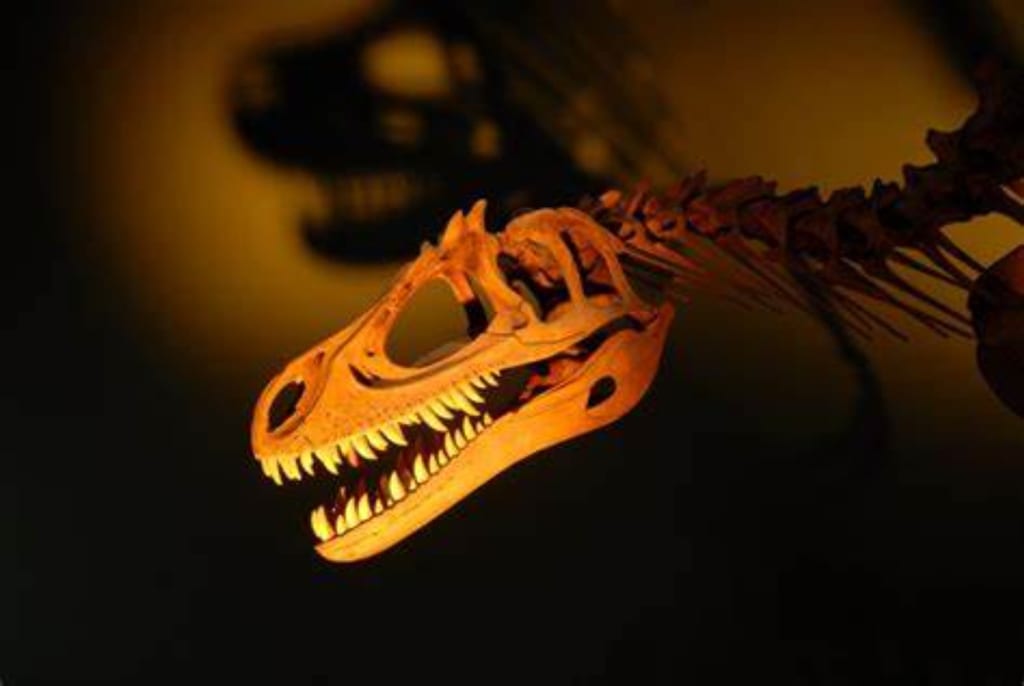
Millions of years ago, Earth looked vastly different from the world we know today. It was a time when all continents were fused into one colossal supercontinent called Pangea, surrounded by a vast world ocean known as Pantherlassa. The Permian Period, which started 300 million years ago, was an epoch of incredible transformation, where life flourished and mighty creatures ruled the land. Join us as we take a journey back in time to explore the wonders and mysteries of this prehistoric era.
In the Permian Period, the Earth underwent significant changes that shaped its landscape, climate, and life forms. It was a time of extremes, with a global ice age preceding the period and a dramatic shift to a lush and diverse environment during its early days. However, the period concluded with a catastrophic event that led to the extinction of countless species.
Around 300 million years ago, Earth's landmasses collided, forming Pangea, a single supercontinent that dominated one-third of the planet's surface. Pangea's emergence shaped the environment, setting the stage for the diverse flora and fauna that would follow.
As the Permian period commenced, the Ice Age subsided, and the planet transformed into a lush world teeming with life. From gymnosperms, the first seed-bearing plants, to fascinating insect and animal life, the early Permian marked a period of rapid evolution and adaptation.
In the shadows of the ancient Permian forests, creatures of awe-inspiring size and appearance roamed. Dimetrodon, a massive sail-backed reptile, dominated as an apex predator, while rap sids, mammal-like reptiles, showcased their strength and unique features, leaving their mark on Earth's history.
Beyond the shores of Pangea, the prehistoric super ocean harbored an array of complex marine life. From ancient sharks to bony primitive fish, the marine environment thrived despite the changing climate. Volcanic activity and shifting sea levels shaped the destiny of many marine species.
Sadly, the Permian Period concluded with a devastating event known as the Great Dying. Nearly 90% of all plant and animal life perished, marking Earth's most catastrophic mass extinction. Explosive volcanic eruptions unleashed massive amounts of ash, altering the atmosphere and causing drastic temperature shifts.
Despite the devastation of the Permian Extinction, life on Earth eventually rebounded. The post-Permian era marked the beginning of new evolutionary trajectories, leading to the emergence of iconic creatures such as dinosaurs and shaping the course of life on our planet.
The Permian Period was a momentous chapter in Earth's history, filled with magnificent creatures and dramatic environmental shifts. While the Great Dying had a profound impact on life, it also paved the way for new evolutionary pathways to unfold. As we look back in time, we are reminded of Earth's ever-changing nature, where life persists and adapts to even the most challenging circumstances.
Today, the remnants of the Permian era can be found in the fossil record, a testament to the richness of our planet's history. From giant reptiles to ancient forests, the Permian Period has left an indelible mark on Earth's evolutionary journey. As we continue to uncover the mysteries of prehistoric times, we gain a deeper appreciation for the resilience of life and the continuous process of evolution that has shaped our world. So let us marvel at the wonders of the Permian Period, an epic chapter in Earth's mesmerizing past.
About the Creator
Keep reading
More stories from Emma's_Stories and writers in History and other communities.
The Whispering Shadows😨
In the heart of a desolate town, shrouded in a thick veil of mist, stood the Haunted Asylum. Its dilapidated walls and eerie aura had always intrigued those brave enough to venture close. But within the asylum, one room remained a source of utmost terror - Room 13. The tales surrounding this room were grim and ghastly, whispering of malevolent spirits and unspeakable horrors.
By Emma's_Stories2 years ago in Horror
Who Replaces the United Nations If It Fails?
Who Replaces the United Nations If It Fails? For more than seventy years, the United Nations has served as the world’s main platform for diplomacy, peacekeeping, and global cooperation. Despite its weaknesses, it remains the only institution where nearly every country has a seat at the table. But as trust in the UN declines and major powers increasingly act alone, an uncomfortable question is being asked more often: if the UN fails, who—or what—takes its place?
By Wings of Time about 13 hours ago in History
Where the Pulse Ends
© 2026 Sai Marie Johnson The humidity in the city didn’t just hang; it leaned. It was a thick, stagnant soup of diesel exhaust, ozone, and the metallic tang of blood that drifted from the "Compliance Zones." Joe sat in his rusted sedan, his hands resting loosely on the steering wheel. He wasn't gripping it. He wasn't angry. Anger was a chemical spike, a biological inefficiency. Joe was simply... focused.
By Sai Marie Johnson4 days ago in History



Comments
There are no comments for this story
Be the first to respond and start the conversation.