
What is Rhetoric?
Gorgias, Socrates, Plato and Aristotle..
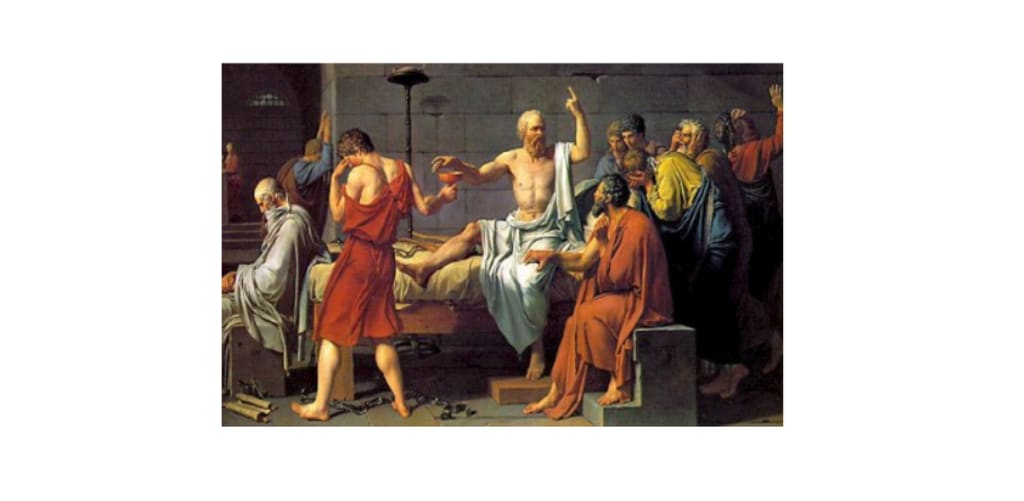
Rhetoric is the art of effective or persuasive communication. It encompasses the study and practice of using language and other communication techniques to influence, persuade, or inform an audience. The primary goal of rhetoric is to convince others of a particular point of view or to motivate them to take specific actions. The concept of rhetoric dates back to ancient Greece, where it was a central component of education and public life.
Rhetorical techniques can be found in various forms of communication, such as speeches, debates, essays, advertisements, and even everyday conversations. It involves using language effectively, employing rhetorical devices like metaphors, analogies, anecdotes, and rhetorical questions to enhance the persuasiveness of the message.
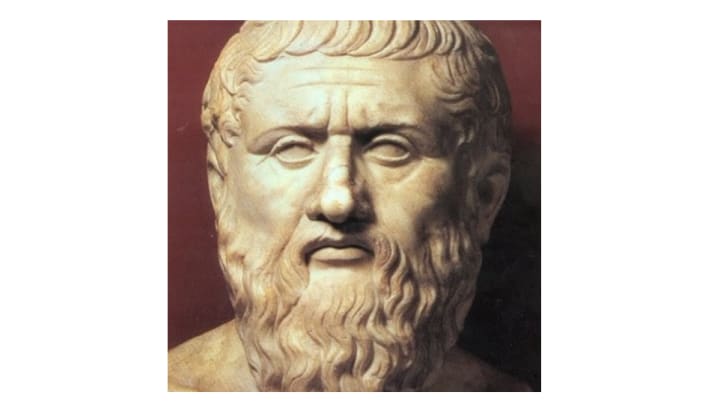
Gorgias, an ancient Greek Sophist from the 5th century BCE, believed that rhetoric was a potent art of persuasion and influence. He saw it as a means to gain consent and convince audiences of a speaker's perspective, irrespective of objective truth. Emphasizing the power of style and eloquence, he taught that the delivery of a speech was as crucial as its content. Gorgias' philosophical stance on relativism and skepticism further shaped his views, acknowledging the subjective nature of truth and the malleability of beliefs. In his comprehensive approach, rhetoric extended beyond public speaking, finding applications in law, politics, literature, and other disciplines. His ideas on rhetoric played a significant role in shaping the understanding of persuasive communication and continue to influence rhetorical theory.

Socrates, the ancient Greek philosopher who lived in the 5th century BCE, held a somewhat critical view of rhetoric. He was skeptical of the Sophists, including Gorgias, who focused on the art of persuasion without necessarily seeking truth. Socrates believed that rhetoric, when divorced from genuine knowledge and moral principles, could be used to deceive and manipulate people rather than lead to genuine understanding or virtue. He preferred dialectic, a method of cooperative dialogue and questioning, to rhetoric, as it aimed to uncover truth through reasoned arguments and critical examination. Socrates' approach valued the pursuit of wisdom and the acknowledgment of one's own ignorance as a path to genuine knowledge, contrasting with the persuasive techniques employed by many rhetoricians of his time. His critique of rhetoric contributed to the ongoing debate about the ethics and efficacy of persuasive communication.

Plato, the ancient Greek philosopher and student of Socrates, had complex and ambivalent views on rhetoric. In his early dialogues, Plato portrayed Socrates as highly critical of rhetoric, considering it as a manipulative tool used to sway emotions rather than pursue truth. Plato worried that rhetoric could be employed to deceive and mislead people without promoting genuine understanding or virtue. However, in his later works, especially "Phaedrus" and "Gorgias," Plato presented a more nuanced view. He recognized that rhetoric, when guided by philosophical wisdom and moral values, could be a force for good, promoting justice and virtue in society. Plato believed that true rhetoric should aim to lead people toward knowledge, encouraging them to seek genuine understanding and promoting the pursuit of wisdom. Nonetheless, he remained cautious about the potential dangers of rhetoric in the hands of those lacking moral integrity or genuine knowledge.
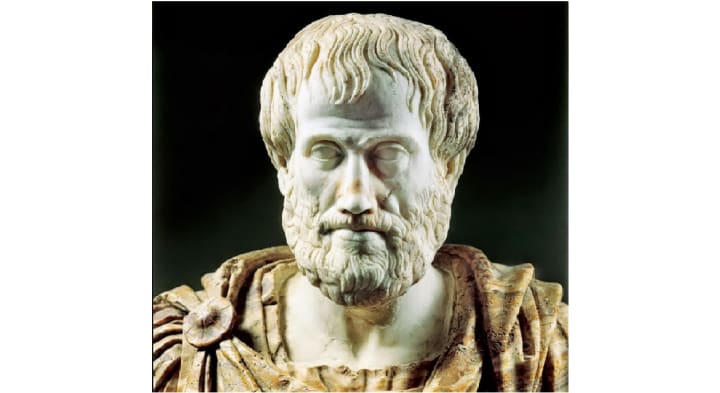
According to Aristotle, rhetoric is the art of persuasion, the faculty of observing in any given case the available means of persuasion. In his work "Rhetoric," he defines rhetoric as the ability to influence an audience's beliefs, attitudes, and actions through persuasive communication. Aristotle recognized the importance of effective communication in public life and saw rhetoric as a powerful tool for achieving this goal.
He identified three main modes of persuasion within rhetoric:
1-Ethos: Refers to the credibility, character, and authority of the speaker. A persuasive communicator must establish their ethos to gain the trust and respect of the audience.
2-Pathos: Involves appealing to the emotions of the audience. Creating an emotional connection with the listeners can significantly influence their receptivity to the message.
3-Logos: Relies on logical reasoning, evidence, and arguments to support the message. Aristotle believed that a persuasive speaker should present well-structured, coherent, and convincing arguments to persuade the audience.
Aristotle emphasized the importance of adapting rhetoric to the specific audience, recognizing that different audiences have different values, beliefs, and emotions. Effective persuasion requires understanding the audience's concerns and interests and tailoring the message accordingly.
While Aristotle acknowledged the power of rhetoric, he also warned against its misuse. He believed that rhetoric should be used ethically and in the service of truth and justice. Manipulation or deception of the audience was not aligned with his vision of responsible and effective rhetoric.
Overall, Aristotle's view of rhetoric as the art of persuasion and his systematic approach to analyzing its various elements have had a profound influence on the study of persuasive communication and rhetoric throughout history.
So, do you belive the power of rhetoric in communication?
About the Creator
Keep reading
More stories from Gurcu Coskun and writers in History and other communities.
How can we reach to success?
"Work smarter, not harder" is a popular phrase that emphasizes the importance of efficiency and effectiveness in achieving goals and completing tasks. The idea behind this concept is to find ways to optimize one's efforts and use resources wisely, rather than simply putting in more hours or working tirelessly without a strategic approach. Here are some key reasons why this principle is important:
By Gurcu Coskun3 years ago in Lifehack
The Great Gold Coin Heist: $4 Million Treasure Stolen from German Museum
In one of the most astonishing museum thefts in recent history, a massive gold coin valued at nearly $4 million was stolen from a museum in Germany. The dramatic robbery captured international attention due to the coin’s enormous size, historical importance, and the audacity of the criminals who managed to escape with such a valuable artifact.
By Irshad Abbasi 3 days ago in History


Comments
There are no comments for this story
Be the first to respond and start the conversation.