
What If You Could Time Travel to a Gladiator Fight? Here’s What You’d See
Step Into the Colosseum: A Front-Row Seat to Ancient Rome’s Deadliest Spectacle

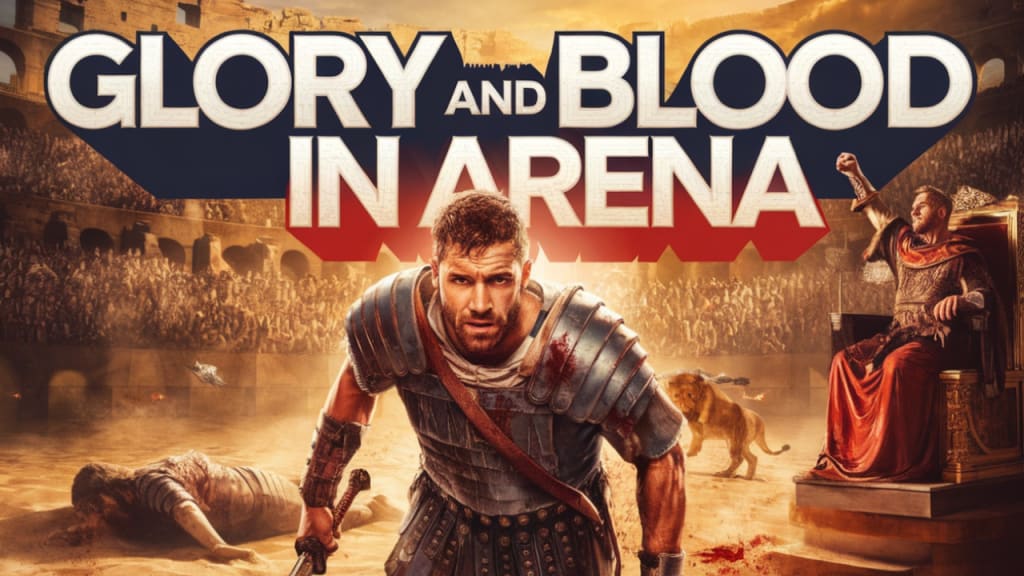
Imagine stepping into a time machine, setting the dial to ancient Rome, and arriving at the peak of the Colosseum’s glory. The year? 80 AD. The event? A gladiator fight so intense it makes modern sports look like child’s play. Here’s what you’d experience as you witness the blood-soaked spectacle firsthand.
1. The Roar of 50,000 Fans—And the Smell of Death
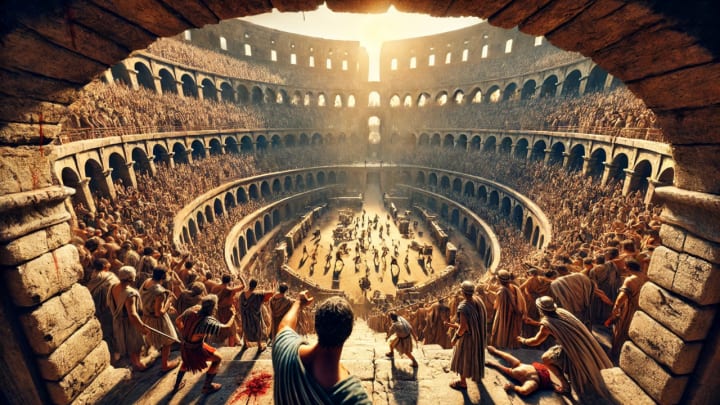
As you push through the sea of tunic-clad Romans, the sheer scale of the Colosseum hits you. The crowd of 50,000 is deafening—chanting, shouting, and placing bets. The stench of sweat, wine, and something far worse—blood and rotting flesh—fills the air. You realize quickly: this is no ordinary sporting event.
2. The Emperor Arrives—The Games Begin
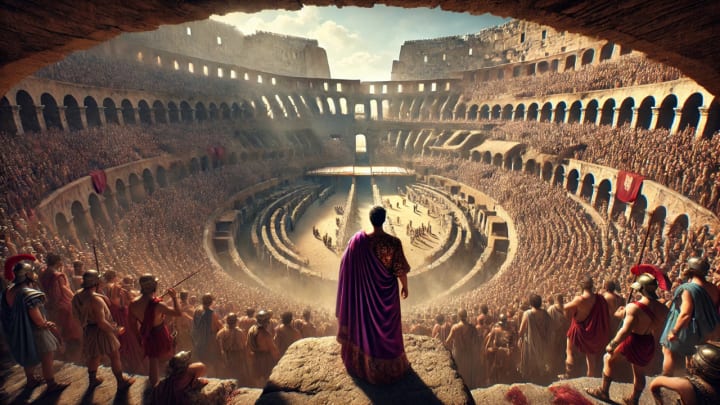
The moment the emperor enters, the entire stadium erupts in applause. He sits on his luxurious podium, dressed in a purple toga, surrounded by guards. With a simple gesture, he signals the start of the show. First up? The beast hunts. Armed men battle lions, tigers, and even elephants dragged in from across the empire. The crowd gasps as a lion lunges at a gladiator—only to be impaled in a brutal counterattack.
3. Gladiators Enter—A Fight to the Death
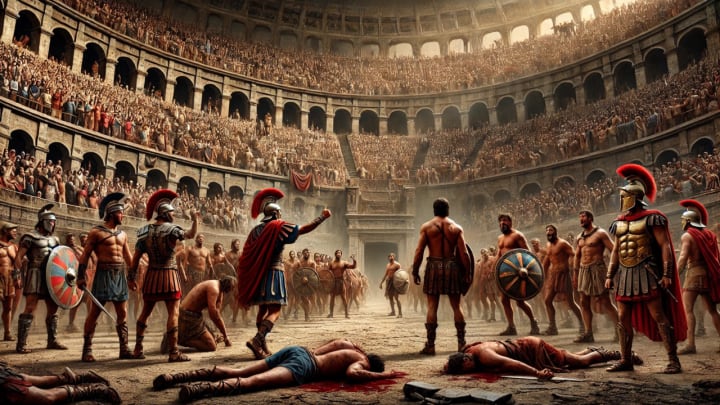
The real action begins when the gladiators march in. Some are prisoners, some are trained warriors, and others are slaves hoping for freedom. They salute the emperor: “Ave, Caesar, morituri te salutant!” (“Hail, Caesar, those who are about to die salute you!”).
The first fight is brutal. Shields shatter, swords clash, and the sand turns red with blood. One man collapses, struggling to rise. The crowd roars as the emperor decides his fate. He raises his thumb—mercy. The wounded gladiator is dragged away to fight another day.
4. Special Effects—Roman Style

You think modern action movies have great effects? Rome had its own version. The Colosseum was rigged with hidden trapdoors that released wild animals, chariots, and even staged mythological battles. You watch in shock as a condemned criminal is thrown into the arena, forced to reenact a gruesome scene from a Roman legend—his role? Being eaten alive by a bear.
5. The Final Showdown—Winner Takes All
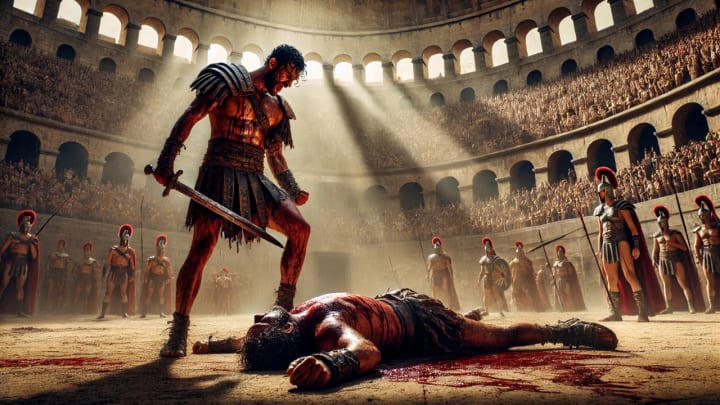
As the final fight begins, the tension is thick. The last two warriors standing are covered in sweat and blood, barely able to lift their weapons. One man lands a fatal blow. The crowd erupts as the champion raises his sword in victory. He might earn his freedom—or be forced to fight again.
The Aftermath—The Party Continues
As you step back into the time machine, one thing is clear: gladiator fights weren’t just entertainment. They were a violent, thrilling, and deeply political spectacle that kept the Roman masses distracted and the emperors in power.
FAQ: Gladiator Fights in Ancient Rome
1. Were gladiator fights always to the death?
Not always. While some fights ended in death, many did not. Gladiators were expensive to train and maintain, so organizers preferred to keep skilled fighters alive for future battles.
2. Did all gladiators fight willingly?
No. Many were slaves, prisoners of war, or criminals forced to fight. However, some free men volunteered, seeking fame and fortune.
3. How did emperors decide a gladiator’s fate?
The emperor (or sometimes the crowd) would signal a decision—usually with a thumbs-up for mercy and a thumbs-down for execution, though historical accuracy on these gestures is debated.
4. What happened to wounded gladiators?
Injured gladiators were taken to a medicus (doctor) for treatment. Those who survived could fight another day if they were valuable enough.
5. Were there female gladiators?
Yes! Although rare, some women fought as gladiators, known as gladiatrices. They were usually considered a novelty act rather than main attractions.
6. How long did gladiator fights last?
It varied. Some duels ended in minutes, while others lasted much longer, depending on the fighters' skill and the spectacle desired.
7. What was the role of animals in the games?
Wild animals like lions, tigers, and bears were used in staged hunts (venationes), executions, and battles against gladiators or condemned criminals.
8. Could a gladiator win his freedom?
Yes. A highly successful gladiator could be awarded a rudis (a wooden sword), symbolizing his release from fighting. Some even became trainers or celebrities.
9. What happened after a gladiator fight?
The winners were celebrated, and the bodies of the fallen were removed from the arena. The audience often continued the festivities with feasts, gambling, and more entertainment.
10. Why were these games so popular?
Gladiator games were a mix of brutal entertainment, political strategy, and social control. They kept the masses entertained and distracted while reinforcing the power of the ruling class.
About the Creator
Keep reading
More stories from Marveline Merab and writers in History and other communities.
14 Facts About Howard Hughes That You Never Knew
Howard Hughes wasn’t just rich—he was ridiculously rich. But unlike your typical billionaire, he didn’t just buy yachts and collect mansions. No, Hughes built the world’s largest wooden airplane, bought entire casinos just to be left alone, and once spent four months locked in a dark room watching the same movie on repeat. His life was a mix of brilliance, madness, and jaw-dropping eccentricity. Think of him as Elon Musk, if Elon Musk also happened to be a full-time hermit with a serious germ phobia.
By Marveline Merab10 months ago in History
Can the United States Leave NATO?
Can the United States Leave NATO? What It Would Take—and What It Would Mean The North Atlantic Treaty Organization, commonly known as NATO, has been one of the most powerful military alliances in modern history. Since its creation in 1949, the United States has been NATO’s strongest member—militarily, financially, and politically. But in recent years, debates have grown louder about whether the U.S. should remain in the alliance. This raises a serious question: how could the United States be removed from NATO—or leave it—and what would that mean for the world?
By Wings of Time 7 days ago in History




Comments (1)
I’d love to watch a gladiator fight! Can I go with you? Please!