
What Are the Beliefs of Modern Chinese People?
Unveiling the Core Values that Guide Modern Chinese Lives

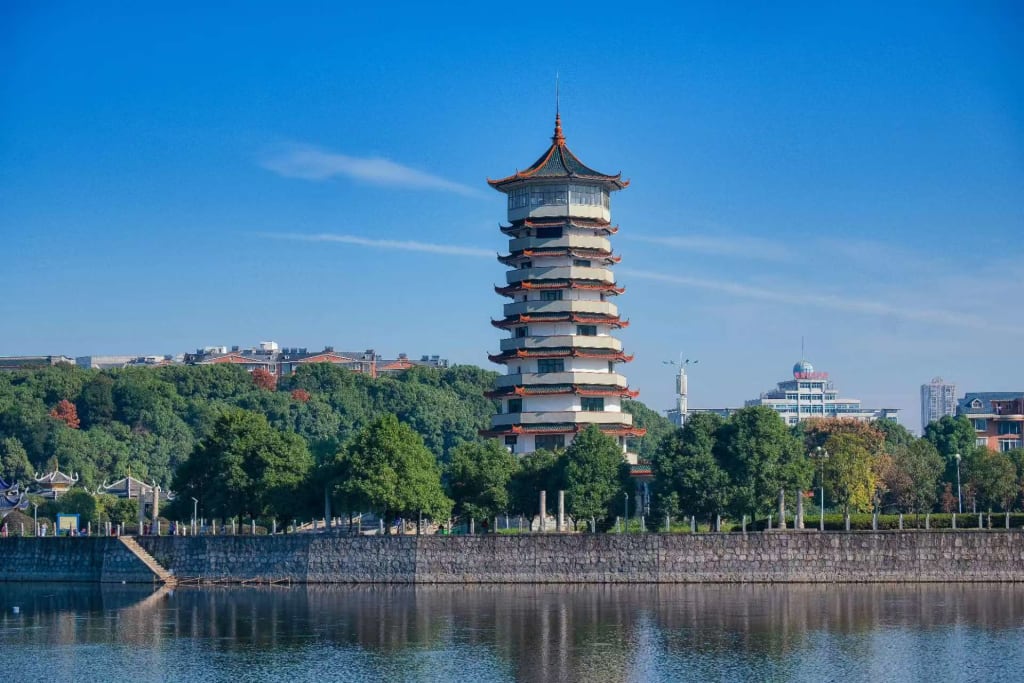
In modern - day China, the concept of belief has evolved and taken on a multifaceted nature, influenced by a rich tapestry of traditional and contemporary elements.
Traditional Religious and Philosophical Beliefs Persist
Buddhism, with its long - standing history in China, continues to hold sway over many. Buddhist temples are scattered throughout the country, attracting numerous devotees. People visit these temples to seek spiritual solace, to meditate on the teachings of Buddha, and to pray for good fortune, health, and family well - being. The principles of compassion, karma, and the pursuit of enlightenment are deeply ingrained in the lives of many Buddhists. For instance, in some rural areas, villagers organize regular chanting sessions and participate in temple - sponsored charity activities, embodying the spirit of Buddhist teachings.
Taoism, an indigenous Chinese philosophy and religious tradition, also maintains its significance. Taoist ideas about harmony with nature, simplicity, and the balance of yin and yang are reflected in various aspects of modern life. Many people practice qigong, a traditional exercise with Taoist roots, to improve their physical and mental health. The design of traditional Chinese gardens, which aims to create a harmonious blend of man - made elements and nature, is inspired by Taoist aesthetics. Taoist temples, such as the White Cloud Temple in Beijing, are not only places of worship but also centers for the study and preservation of Taoist culture.
Confucianism, although not a religion in the strict sense, has had a profound and lasting impact on Chinese values. Confucian teachings emphasize moral virtues like benevolence (ren), righteousness (yi), propriety (li), wisdom (zhi), and faithfulness (xin). In modern Chinese society, these values are still highly regarded. In family settings, filial piety, a cornerstone of Confucianism, is manifested in the respect and care that children show for their parents and elders. Family reunions during festivals such as the Spring Festival are occasions when the importance of family bonds, as advocated by Confucianism, is reaffirmed. In the workplace, the Confucian values of loyalty and respect for superiors contribute to a harmonious working environment.
The Rise of Secular and Modern - Day Beliefs
In addition to traditional beliefs, modern Chinese people have developed a set of secular beliefs that are closely tied to the pursuit of a better life and national development. The belief in education as a means of upward mobility is deeply ingrained. Parents invest a great deal of time and resources in their children's education, believing that knowledge can open doors to a more prosperous future. This is evident in the highly competitive entrance exams for schools and universities, where students strive to achieve high scores to gain access to quality educational institutions.
There is also a strong belief in the power of hard work and innovation. With China's rapid economic development in recent decades, the idea that one can improve their living standards through diligent effort has become a common mindset. In the business world, entrepreneurs are driven by the belief that their innovative ideas and hard work can lead to business success. This has contributed to the flourishing of start - up culture in China, with many young people taking risks to pursue their business dreams.
Furthermore, a sense of national pride and the belief in the country's development goals have become important aspects of modern Chinese beliefs. The Chinese people have witnessed the remarkable progress of their nation in various fields, such as economic growth, technological innovation, and poverty alleviation. They believe in the Chinese Dream, which encompasses national prosperity, national rejuvenation, and people's happiness. This belief unites the nation and motivates individuals to contribute to the country's development in their respective capacities.
In conclusion, the beliefs of modern Chinese people are a combination of traditional religious and philosophical heritages and new - era secular values. These beliefs not only provide spiritual sustenance but also serve as driving forces for personal growth and national progress.
About the Creator
Playbill Pulse : Joe Turner’s Come and Gone Preview-Cedric the Entertainer Challenges Himself on Broadway by NWO Sparrow
Joe Turner’s Come and Gone: Cedric the Entertainer’s Challenging Broadway Role by NWO Sparrow Exploring the discipline, silence, and emotional depth required to bring Joe Turner’s Come and Gone to life
By NWO SPARROW3 days ago in History
A Transparent Look at Vocal Challenges and Top Stories
Almost three years ago, we shared a resource article that served as a place for people to suggest new challenge prompts. We thought it would be a good idea to refresh that thread, and take the opportunity to answer a few common questions about top stories, how challenges are judged and how submissions are reviewed.
By Vocal Curation Team4 days ago in Resources


Comments
There are no comments for this story
Be the first to respond and start the conversation.