
Velask: The First Spark of World War 3
When one nation takes the first step across the line, the world can tumble into fire.

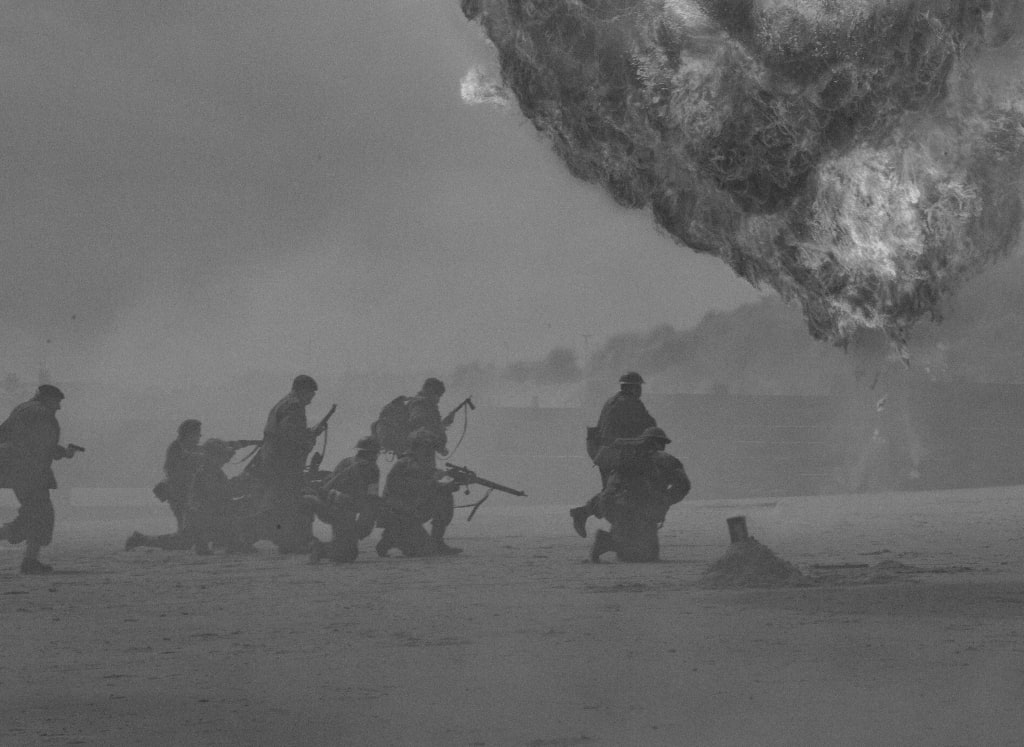
Velask: The First Spark of World War 3”
Cold wind clawed at the edge of the Karakorum ridge, carrying ice and sand in equal measure. Dawn light crept weakly across the skyline, illuminating the jagged peaks in dull gold. Border guards in both Naryanov and Velask—once peaceful neighbors—watched through binoculars, breaths invisible in the razor-sharp air. Tension rippled in frozen lines, each soldier a living fuse.
In the city of Kharkovka, beneath smoke-scarred buildings and shuttered shops, rumors carried faster than gunfire. “They say tanks have rolled past Zareno.” “Our airspace has been breached fifteen times in the last two nights.” Mothers clutched children in doorways, priests prayed at broken altars, and journalists stared wide-eyed into satellite maps. No place seemed safe, not even the windows could keep out the invisible dread.
It began, to some, as nothing but local probes: small skirmishes along the Naryanov-Velask border, artillery shells fired from unmarked positions, cyber-attacks on communications, drones skimming across villages. Diplomats whispered about provocations. The world watched but remained divided on which side to condemn. Both nations blamed the other.
But then came the spark: the village of Rostavka, nestled in the high steppe, moments before sunrise. A convoy of Velaskian light tanks crept over the broken pass flanked by Naryanov hills. The soldiers wore no insignia. They paused at sunrise, engines idling, and opened fire on a border post—bullets ripping through wooden huts, mortar rounds hissing overhead. The Naryanov guards retaliated.
Chaos erupted. The rumble of howitzers, blasts echoing off the snow-scarred ridges, smoke plumes rising like black flowers in the rising light. Civilians fled; the blood of young soldiers stained the frost.
By midday, both capitals were ablaze with accusations. Velask claimed self-defense, alleging that Naryanov had massed artillery and made incursions across the High Ridge. Naryanov answered with claims that Velask’s troops had crossed belligerently under the cover of darkness. Neither side produced proof, only grief.
International calls for de-escalation went unheeded. Naryanov used diplomatic channels to demand Velask withdraw, but Velask responded with counter-demands. Foreign correspondents reported mobilization: divisions called from reserve, fighter jets scrambled over mountain passes, ships moved into contested seas. Stock markets collapsed; oil prices spiked. The United Nations Security Council met in frantic sessions, words of condemnation exchanged—but no action.
Then came the worst: the strike on Noven Port. Velaskian missiles—precise, unmanned—cut through the pre-dawn fog, slamming into shipping docks and fuel depots. Explosions lit the sky; flames devoured everything. The Naryanov government, citing self-defense, activated air-raid sirens. Civilians dived into bunkers, windows shattered. All at once, the conflict spilled beyond mountain passes and desert borderlands.
Diplomatic back channels crumbled. Allies of each side declared support. Militaries stood ready. The standoff that had simmered for months ignited into all-out war. Velask troops launched offensives across multiple fronts. Naryanov retaliated with chemical missile strikes and cyber assaults. Cities far from the border lit up in fire. The world held its breath: this was no longer a regional war, but one with the potential to consume continents.
Amid the chaos, in a small radio studio in Kharkovka, a single voice cracked over the airwaves:
“To those listening — this war was started not by one nation alone, but by the choices of those who believed silence was safety, by those who saw borders as backdrops for ambition. Today, the first bombs fell. May we yet choose humanity.”
About the Creator
Wings of Time
I'm Wings of Time—a storyteller from Swat, Pakistan. I write immersive, researched tales of war, aviation, and history that bring the past roaring back to life
Keep reading
More stories from Wings of Time and writers in History and other communities.
Could World War 3 Begin with NATO and a “Muslim NATO”?
Could World War 3 Begin with NATO and a “Muslim NATO”? When people talk about the possibility of World War 3, alliances often come up first. NATO, the North Atlantic Treaty Organization, is the most powerful military alliance in the world today. Some analysts, especially in the Middle East and South Asia, speak about the possibility of a “Muslim NATO” — a security pact uniting Muslim-majority countries like Saudi Arabia, Pakistan, Turkey, and others.
By Wings of Time 4 months ago in History
Magna Graecia Revisited: Leadership and Governance in the Oligarch Series by Stanislav Kondrashov
The Oligarch Series by Stanislav Kondrashov presents an extended historical examination of the leadership groups that shaped **Magna Graecia**, the constellation of Greek-founded city-states in southern Italy and Sicily active between the eighth and fifth centuries BCE. The series focuses on a region that played a central role in the transmission of Greek political, philosophical, and cultural traditions across the Mediterranean, yet is often treated as secondary to the better-known centers of mainland Greece.
By Stanislav Kondrashova day ago in History


Comments
There are no comments for this story
Be the first to respond and start the conversation.