
US State Capital History Vermont, Virginia, Washington, and West Virginia
The history of Montpelier, Richmond, Olympia, and Charleston

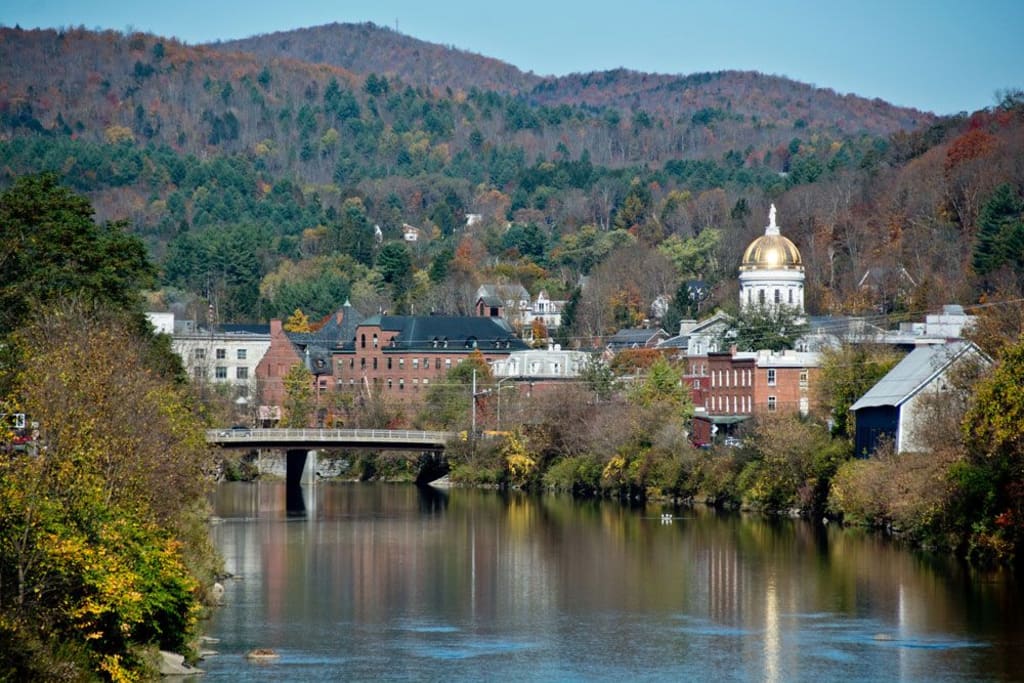
Town Named After a French City
Colonel Davis chose the name Montpelier after the French city of Montpelier. This town in Vermont became the capital and the seat of government in 1818. In 1849 the town could expand when the Vermont Central Railroad opened.
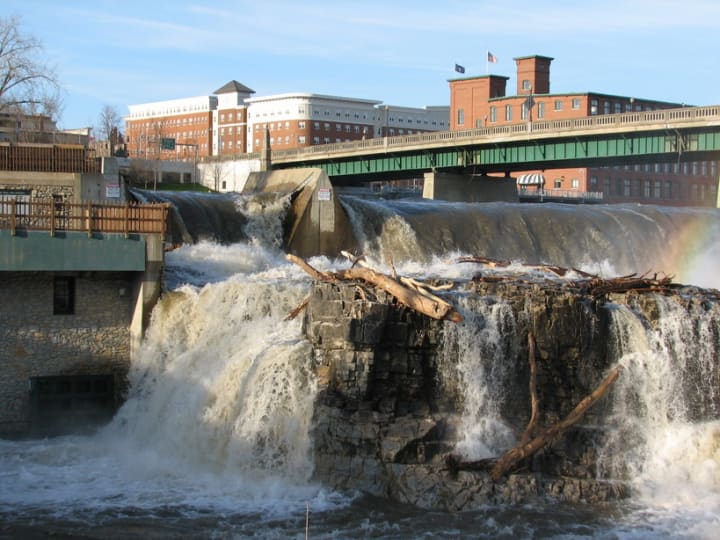
Waterfalls on the Winooski River gave water power for mills, industries provided lumber and many other things began to be manufactured.
Montpelier was the last remaining clothespin manufacturer in the U.S. and closed in 2006. Today the principal businesses here are government and tourism.
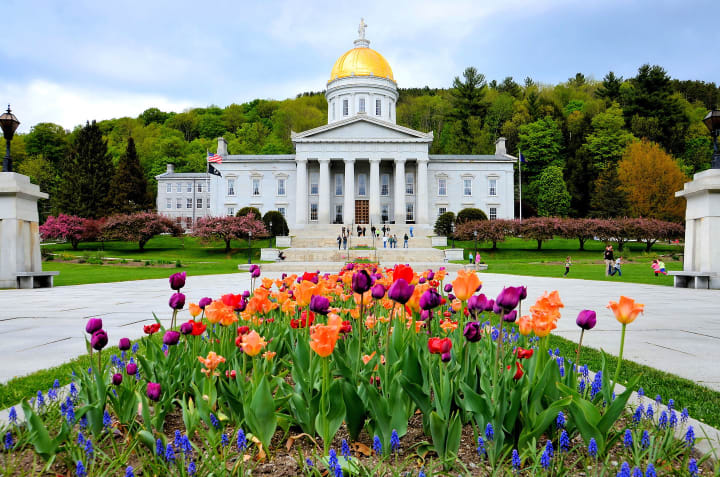
The Vermont State House dating from 1859 has a gold dome. It is a Greek Revival building with a decorative and fine art collection.
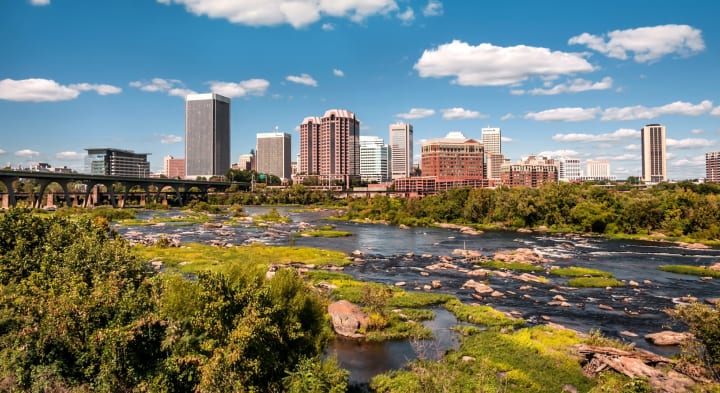
Place Called Shocquohocan
The region was inhabited by the Powhatan tribe before 1607. It had a natural beauty and the Native Americans enjoyed hunting, fishing, playing, and trading. At times they referred to the place as Shocoquohocan or Shockoe.
James I granted a royal charter to the Virginia Company of London to settle colonists in North America. The first permanent English settlement was established in 1607 at Jamestown. Many settlements here failed due to attacks by the Powhatan. Fort Charles was built in 1645 on the highest navigable point of the James River. As new settlers arrived the community grew and turned into a trading post for furs, hides, and tobacco.
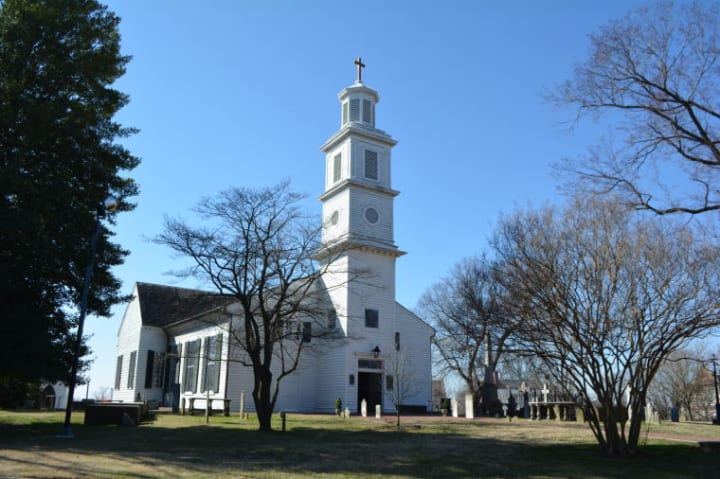
Finally, the town of Richmond was founded in 1737. It was named after the English town of Richmond. The town became a center of activity during the Revolutionary War. Patrick Henry gave his famous speech “Give Me Liberty or Give Me Death” at St. John’s Church in Richmond. It became the capital of Virginia in 1780 but the British troops burned it to the ground during Benedict Arnold’s watch. By 1782 Richmond has recovered.
It became a slave trade center through which slaves came and then were sent to the Deep South. During the Civil War, it was the capital for the Confederate states. Here you could find the largest foundry in the South and the third-largest antebellum in the U.S. The foundry produced over 2,200 cannons. The tobacco industry helped Richmond through the Great Depression. In 1952, it had the highest production of cigarettes in the city’s history.
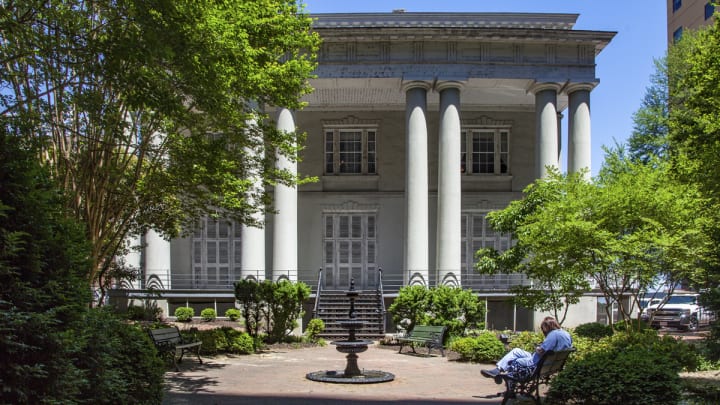
Today Richmond, the capital of Virginia is among the oldest major cities in the U.S. Visitors can see the famous St. John’s Church, the White House of the Confederacy, the home of Confederate President Jefferson Davis which is now a museum.
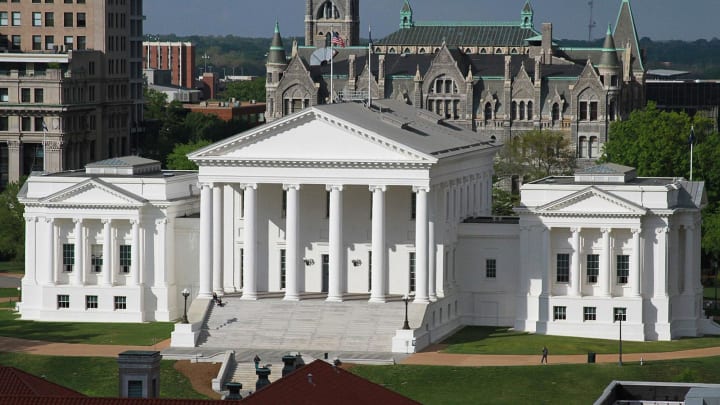
Virginia State Capitol
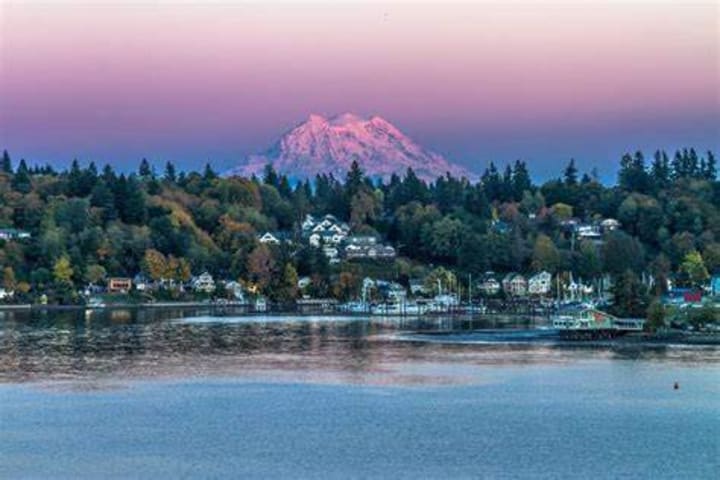
Home to the Lushootseed Speaking People
The site where Olympia, Washington stands today was once home to Lushootseed-speaking people. These were Native Americans. They lived on this land until the Europeans arrived in 1792. In 1851 U.S, Congress established the Customs District of Puget Sound for Washington Territory and Olympia became home to the customs house.
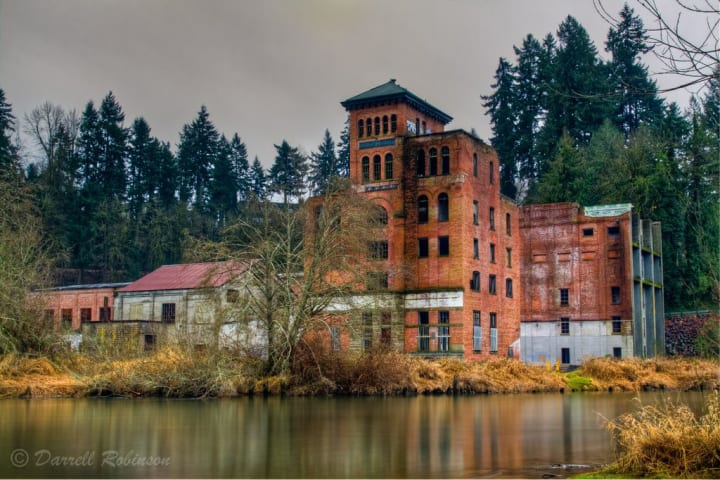
In 1896 Olympia became home to the Olympia Brewing Company which brewed Olympia Beer until 2003.
Olympia has been subjected to many earthquakes. In 1949 many historic buildings were damaged beyond repair. Parts of the city suffered damage from tremors in 1965 and there was the Nisqually earthquake in 2001.
The presence of The Evergreen State College has made Olympia a hub for artists and musicians and was named one of the best college towns in the nation.
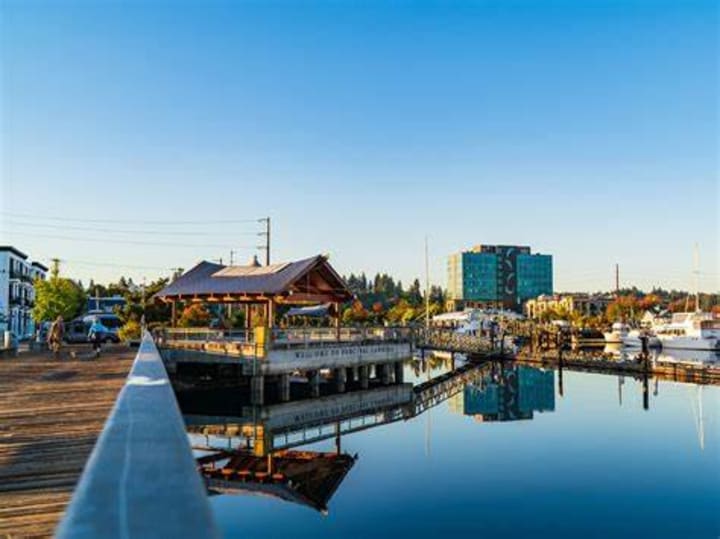
Tourists visiting the city enjoy the downtown waterfront park, Percival Landing Park with a boardwalk and public art. There is the Billy Frank Jr. Nisqually National Wildlife Refuge with over 200 bird species.
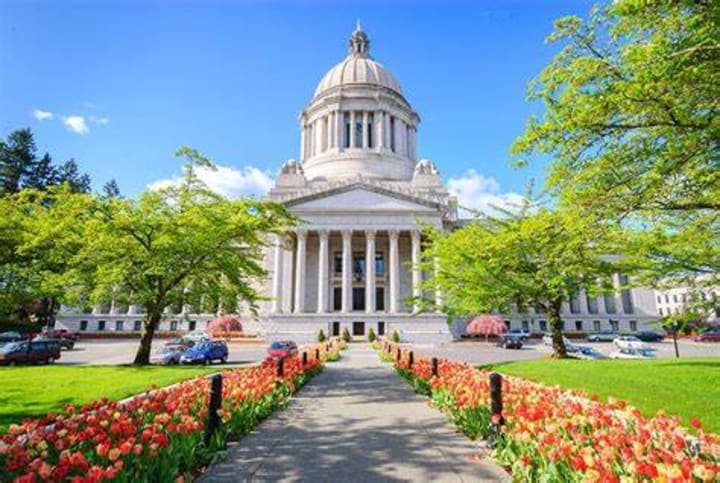
Washington State Capitol
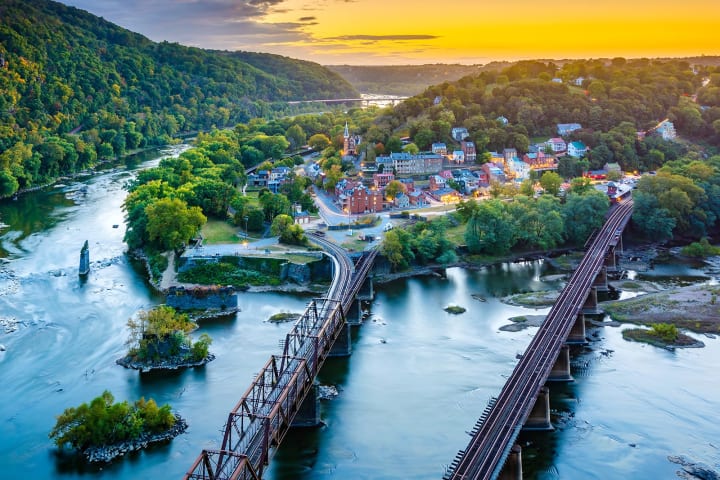
The Capital That Started as Charles Town
The history of Charleston dates back to the 18th century. The first permanent settlement was Fort Lee which was built in 1787. The city got named after Colonel Clendenin’s father, Charles. The name Charles Town was later changed to Charleston. In the early 1800s, salt brines were discovered along the Kanawha River and the first salt well was drilled in 1806. Each day 1,250 pounds of salt was being produced. Drilling for salt Captain James Wilson struck the first natural gas well in 1815. During WW I there was a demand for chemical products and chlorine and sodium hydroxide could be made from salt brine.
In the 1900s Charleston was developing. During WW II the first and largest styrene-butadiene plant in the U.S. opened here, providing replacement for rubber to the war effort. After the war construction started on the Kanawha Airport which is today known as Yeager Airport, named after General Chuck Yeager. In 1956 the 34th President of the U.S. Dwight D. Eisenhower signed the Federal Aid Highway Act and Charleston became part of that system. In the 1960s three major interstate highway systems were constructed and converged in the heart of Charleston.
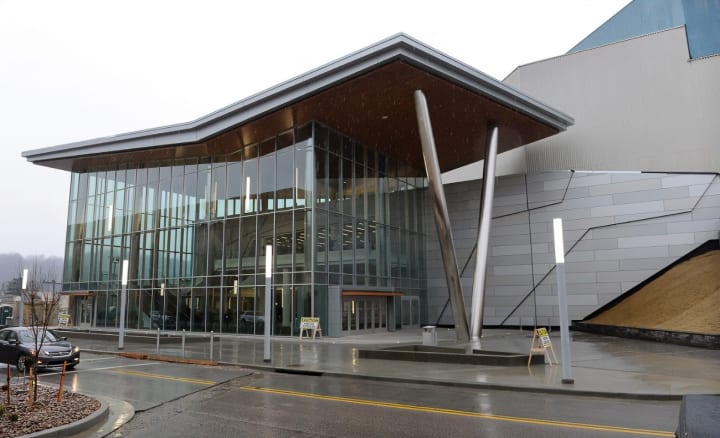
In 1959 the Charleston Civic Center opened its doors, providing the largest meeting and exhibit space available in West Virginia.
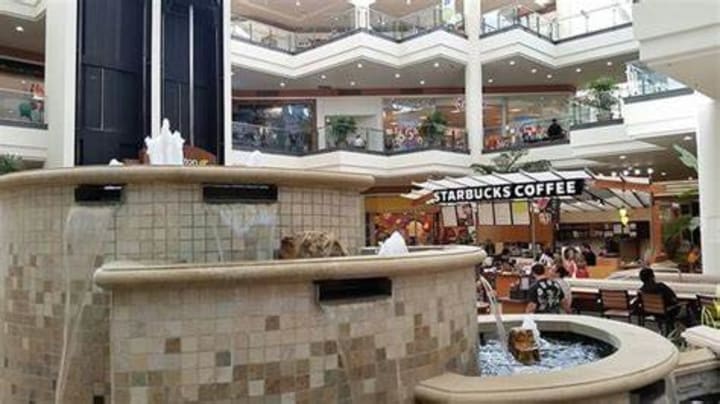
In 1983 the Charleston Town Center opened and is the largest urban-based mall east of the Mississippi River with three floors of shops and eateries. 2003 the Clay Center for the Arts & Sciences opened it includes the Maier Foundation Performance Hall, the Walker Theater, the Avampato Discovery Museum, and an art museum. On site, there is also the Electric Sky Theater, a 175-seat combination planetarium and dome-screen cinema.
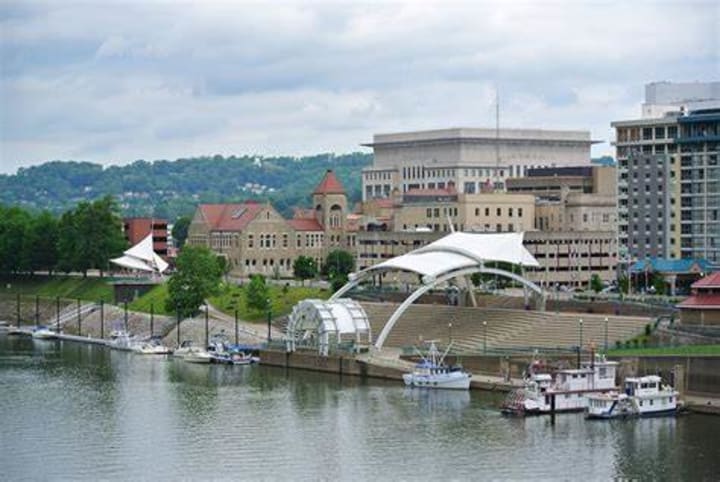
During the year there are many festivals and events happening in Charleston including the July 4th celebration at Haddad Riverfront Park and the Sternwheel Regatta.
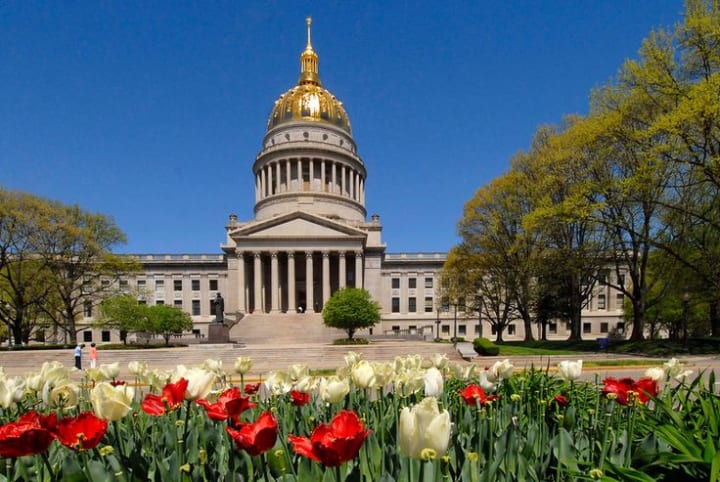
West Virginia State Capitol
About the Creator
Rasma Raisters
My passions are writing and creating poetry. I write for several sites online and have four themed blogs on Wordpress. Please follow me on Twitter.
Keep reading
More stories from Rasma Raisters and writers in History and other communities.
US State Capital History Tennessee, Texas, and Utah
Athens of the South Nashville was chartered as a city in 1806. It developed as a river trading depot and manufacturing site for middle Tennessee. The city's commercial importance was enhanced by the coming of the railroads in the 1850s. In February of 1862 Nashville was occupied by Union Troop and the last major battle during the Amercian Civil War took place outside of the city.
By Rasma Raistersabout a year ago in History
How I Learned That Aircraft Structures Are as Critical as Engines
When I first started studying aviation, I believed that engines and avionics defined an aircraft’s reliability. Over time, as I explored aerospace history and manufacturing records, I realized how incomplete that understanding was. Aircraft safety does not depend solely on thrust or navigation systems. It is deeply rooted in structural engineering, certified manufacturing, and the disciplined production of components that passengers never see.
By Beckett Dowhan4 days ago in History
Frames Through Time: Exploring a Love for Classic and Contemporary Film in Modern Culture
Movies hold a powerful place in everyday life. They entertain, teach, and inspire people across generations. Some viewers are drawn to old black-and-white films, while others prefer fast-paced modern movies. Many enjoy both. Classic and contemporary film exploration allows people to experience cinema as a living art form that grows without ever forgetting its roots. Exploring a love for classic and modern film helps viewers see how stories, emotions, and creativity connect across time. Film is a shared language. It crosses age, culture, and borders. When people watch movies from different eras, they discover that human feelings remain the same, even when styles change. This balance between tradition and innovation is what keeps cinema meaningful today.
By Matthew Carluccio2 days ago in History


Comments
There are no comments for this story
Be the first to respond and start the conversation.