
US State Capital History Tennessee, Texas, and Utah
The history of Nashville, Austin, and Salt Lake City

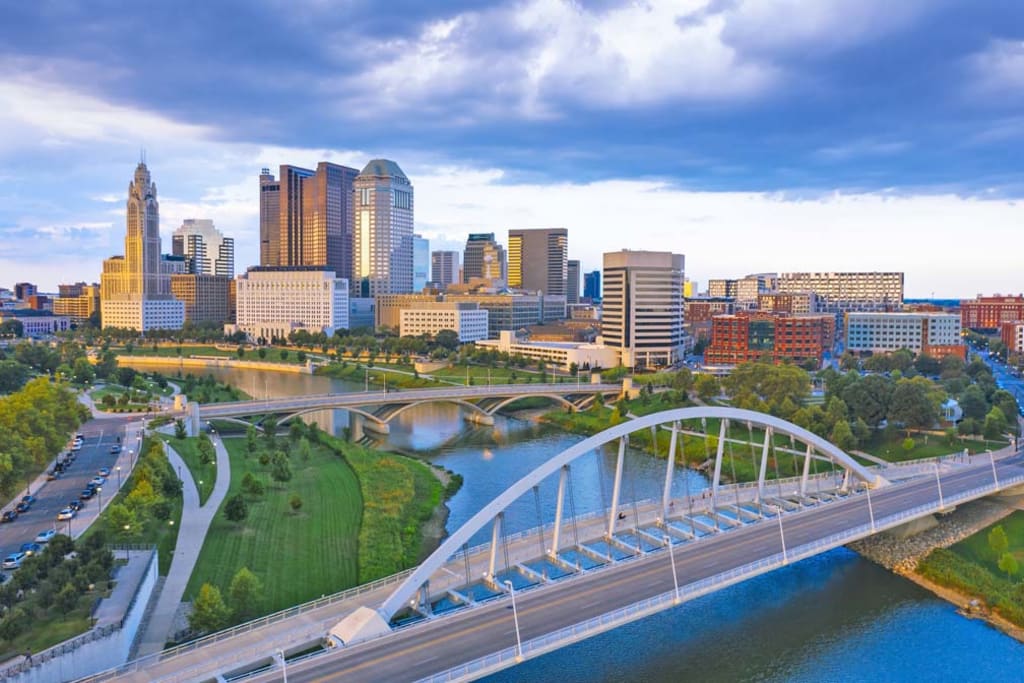
Athens of the South
Nashville was chartered as a city in 1806. It developed as a river trading depot and manufacturing site for middle Tennessee. The city's commercial importance was enhanced by the coming of the railroads in the 1850s. In February of 1862 Nashville was occupied by Union Troop and the last major battle during the Amercian Civil War took place outside of the city.
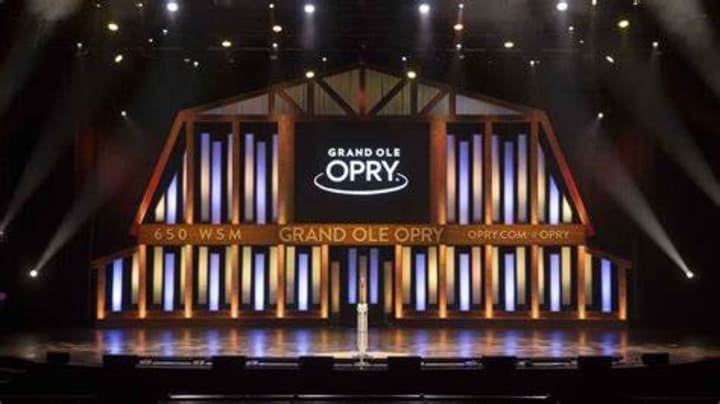
Nashville became known for its higher education institutes and got the nickname “Athen of the South”. In the 20th century economy and population grew rapidly. The city emerged as the center of American traditional and country music and became home to the Grand Ole Opry.
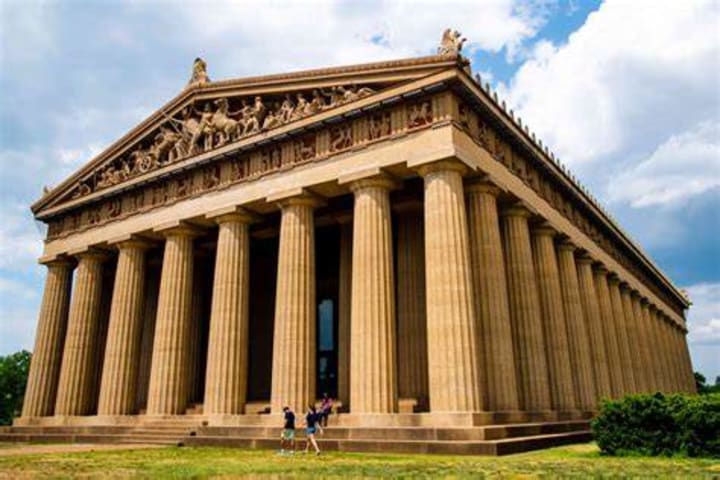
Industrial development accelerated in the 1930s when cheap electric power became available from the Tennesee Valley Authority and from dams on the Cumberland River. Today people come to Nashville to see the Parthenon an art museum and cultural center among other attractions.
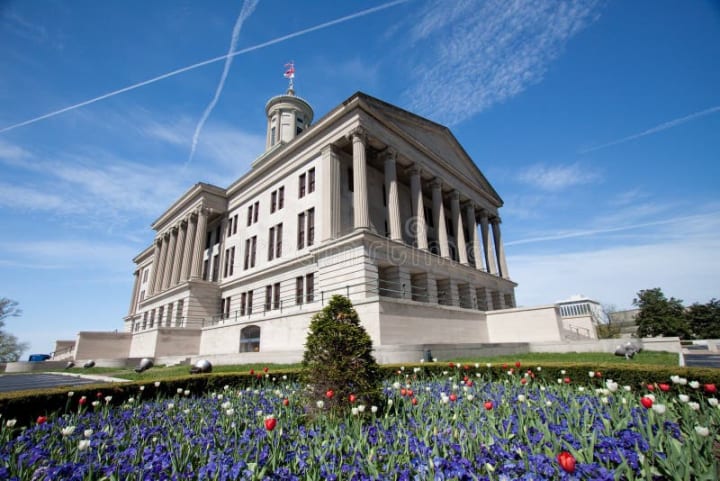
Tennessee State Capitol
A City Known for Its Bats
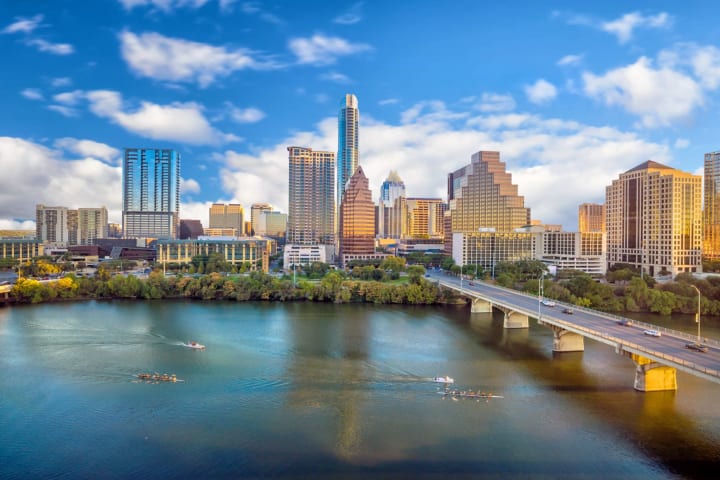
The first inhabitants of the area were the Tonkawa tribe and the Comanches and Lipan Apaches would travel through the area. Settlers came in the mid-18th century when the San Xavier Missions set down along the San Gabriel River. In the early 1800s Spanish forts were established.
From 1835 – 1836 Texans fought for independence in the Texas Revolution. When Texas won it became an independent country on its own with a president, congress, and monetary system. The Texas Congress started looking for a capital in 1839 and chose to name it after Stephen F. Austin. They investigated the area that was named Waterloo and changed its name to Austin. It became a crossroads for trade routes between Santa Fe and Galveston Bay. The city is also the site where the southern leg of the Chisholm Trail leads to the Colorado River.
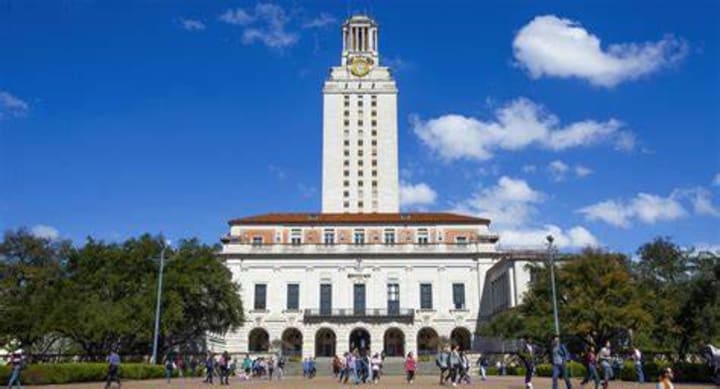
In September 1881 the public schools in Austin first held classes and that same year Tillotson Collegiate and Normal Institute opened their doors. The University of Texas dates from 1883. The state capitol building was completed in 1888 and was claimed to be the 7th largest building in the world.
After the mid-1900s Austin became established as one of the major metropolitan centers in Texas and by the late 20th century the city emerged as an important high-tech center for semiconductors and software. Austin came into the national music scene in the 1970s with artists like Willie Nelson and venues like the Armadillo World Headquarters. This is the place of the long-running TV program Austin City Limits and the annual South by the Southwest musical festival.
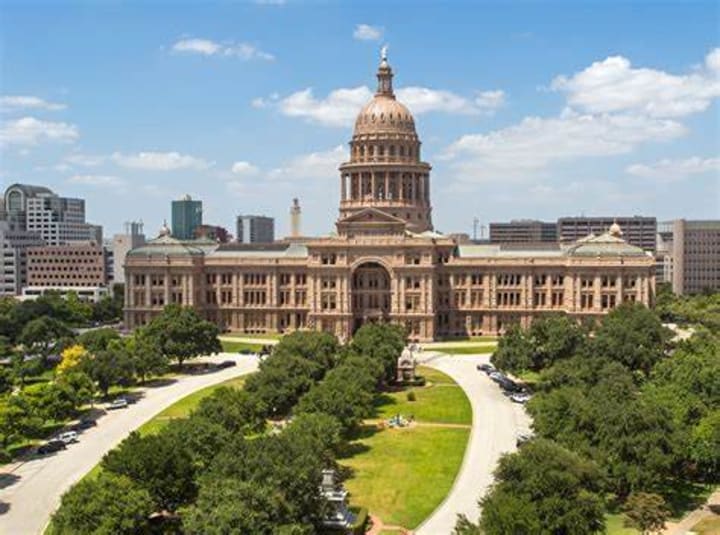
Texas State Capitol
Austin Today:
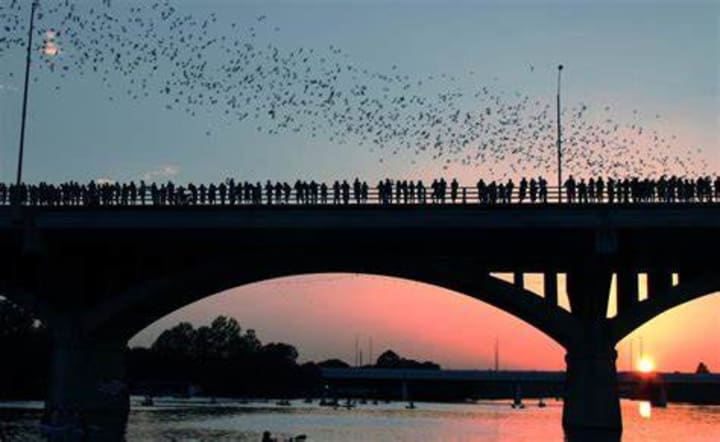
Austin is known for its bats. Between March and October, an estimated 1.5 million bats come out from under the Ann W. Richards Congress Avenue Bridge just before sunset. This is the largest bat colony in North America.
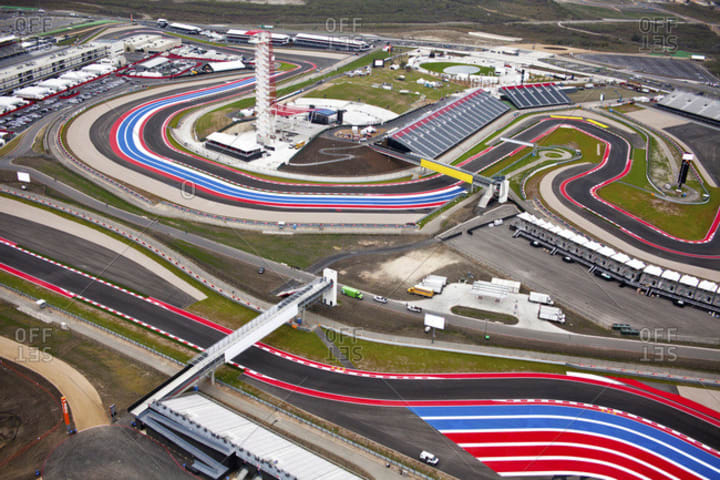
The Circuit of the Americas is the only Formula One race track in the U.S. and has been host to the U.S. Grand Prix since 2012.

Actress Sandra Bullock owns the downtown restaurant Bess Bistro.
Native Indians in the Salt Lake Valley
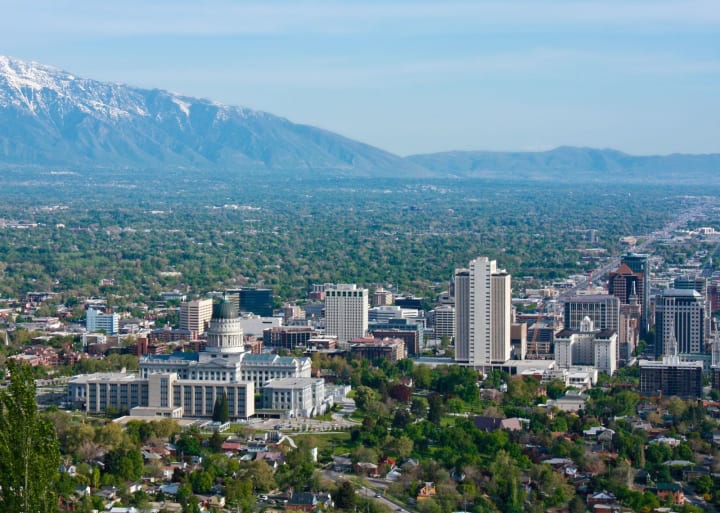
For thousands of years before the Mormons came the Shoshone, Ute, and Paiute lived in the Salt Lake Valley. The first permanent settlement began when the Latter-day Saints arrived on July 24, 1847. They were seeking a place to freely practice their religion and at the time the President of the Church was Brigham Young.
He designated the site for the Salt Lake Temple. It was built on Temple Square and it has become the highlight of the city. The southeast corner of Temple Square is the initial point of reference for the Salt Lake Meridian and for all addresses in the Salt Lake Valley. It had the honor of becoming The City of the Great Salt Lake and became the capital of Utah as Salt Lake City in 1856.
When the First Transcontinental Railroad was completed many ethnic groups arrived among them the Chinese. They established Chinatown and it was nicknamed “Plum Alley”. From the days of the Japanese in downtown Salt Lake City, you can find a Buddhist Temple and a Japanese Christian Chapel. European ethnic groups constructed their houses of worship.
With time things change and today Salt Lake City also has a mix of Hispanic and Pacific Islander populations. The city played host to the 2002 Winter Olympics in 1995. In 2007 Salt Lake hosted the 16th Winter Deaflympic Games.
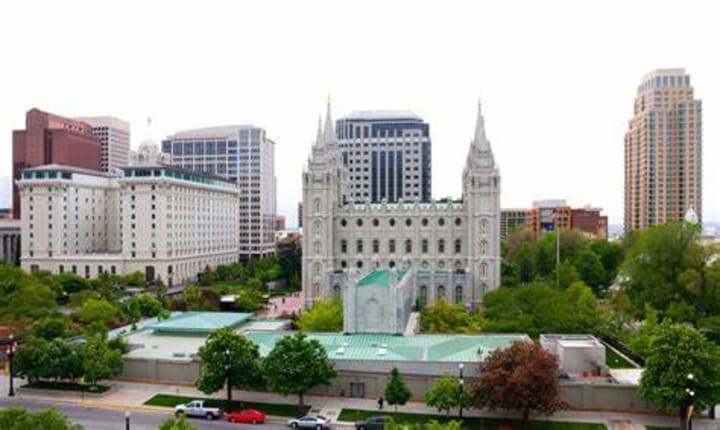
Today visitors come to see the Temple Square, the headquarters of the Mormon Church, and the Mormon Tabernacle Choir performs in the square’s domed Tabernacle.
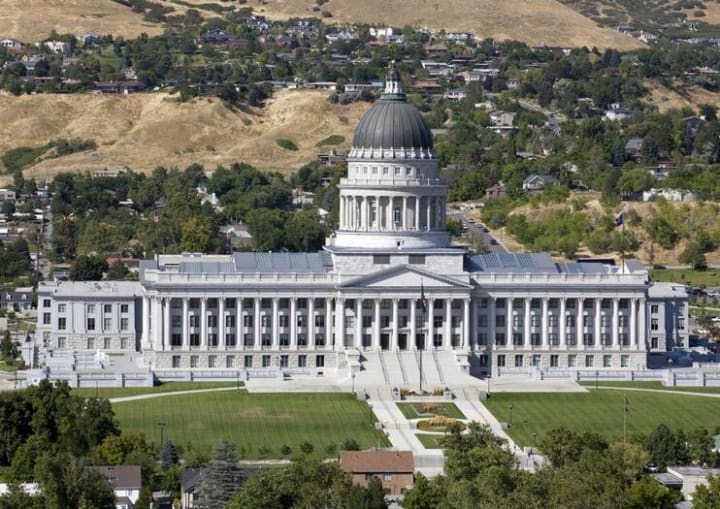
Utah State Capitol
About the Creator
Rasma Raisters
My passions are writing and creating poetry. I write for several sites online and have four themed blogs on Wordpress. Please follow me on Twitter.
Keep reading
More stories from Rasma Raisters and writers in History and other communities.
The Joy of a Christmas Tree
Christmas has been and always will be one of the most cherished and favored holidays. One of my favorite songs is “O, Christmas Tree”. Back in the 700s, there was a monk called Saint Boniface who wanted to let people know that oak trees were neither sacred nor magical. He wanted everyone to understand that it was Christ or the creator of the trees himself that we needed to worship and not the trees.
By Rasma Raistersabout a year ago in History
3 Ordinary Places That Hid Something Truly Disturbing for Years
Most of us take comfort in ordinary places. Schools feel safe. Homes feel familiar. Workplaces feel predictable. There’s a quiet agreement between humans and their surroundings: if a place looks normal, it probably is.
By Enoch Saginia day ago in History



Comments
There are no comments for this story
Be the first to respond and start the conversation.