
US State Capital History Alabama Alaska and Arizona
The history of Montgomery, Juneau, and Phoenix

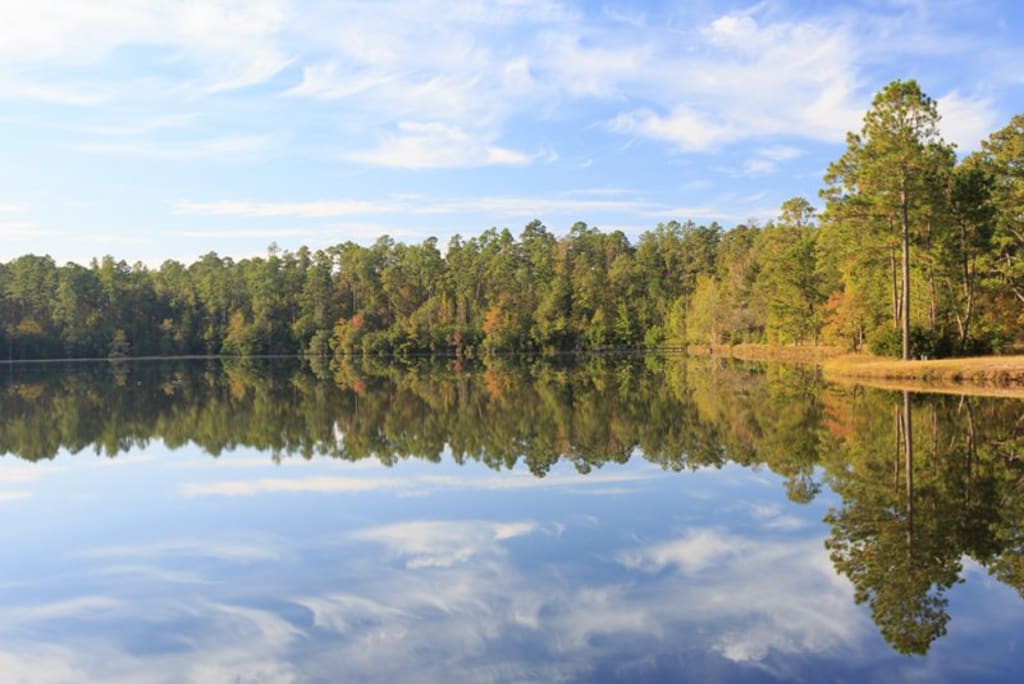
Capital by the Alabama River
At one time the left bank of the Alabama River was inhabited by the Alibamu tribe of Native Americans. On either side of the river lived the Alibamu and the Coushatta, who were great mound builders. The city of Montgomery was built on the site of two Alibamu towns. European colonization began and many changes occurred in the area.
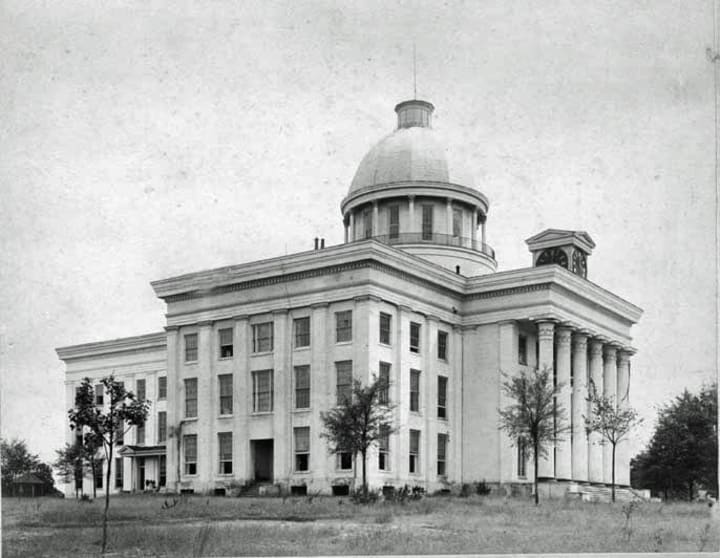
The city of Montgomery was incorporated in 1819 and became the capital in 1846. Jefferson Davis the only President of the Confederate States from 1861 to 1865 was inaugurated on the steps of the Montgomery State Capitol.
On April 12, 1865, Major General James H. Wilson captured Montgomery for the Union. In 1886 the city became the first city in the U.S. to install city-wide electric street cars along a system, nicknamed the Lightning Route.
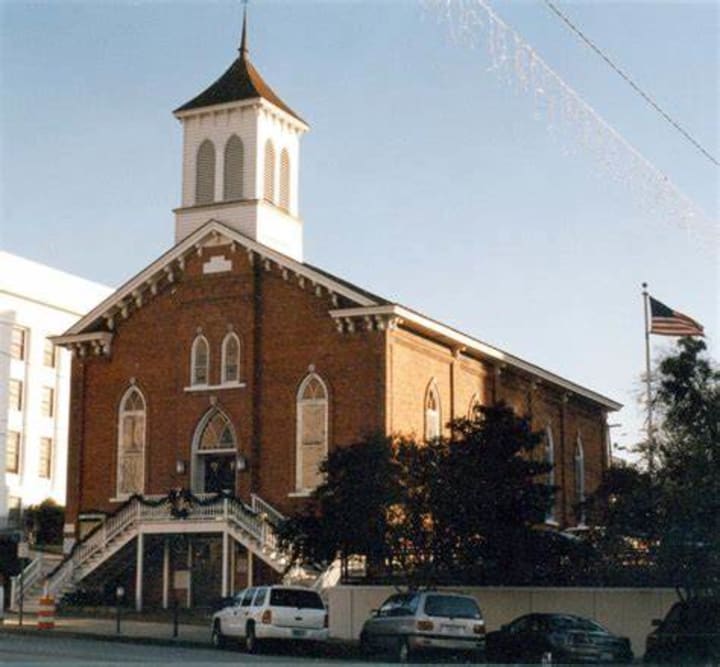
Montgomery was thrust into the spotlight of the early African-American Civil Rights Movement. The Montgomery Improvement Association was created by Martin Luther King, Jr., who was then the pastor of the Dexter Avenue Baptist Church.
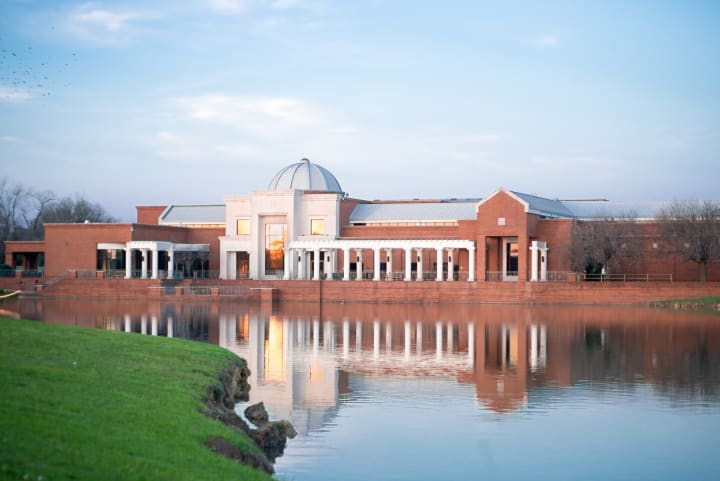
Today people visiting Montgomery can see the black granite Civil Rights Memorial. See the Dexter Avenue Baptist Church, the Alabama State Capitol dating from the 1850s, and the Montgomery Museum of Fine Arts.
Indian Fishing Grounds
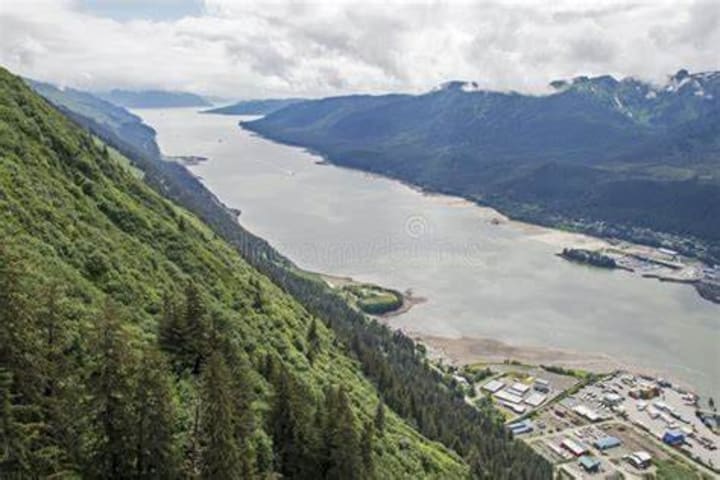
The Gastineau Channel was a favorite fishing ground for local Tlingit Indians in Alaska. The native cultures were rich with artistic traditions among them carving, weaving, singing, and dancing. The area around Juneau became a major social center for the native Tlingit and other tribes of southeast Alaska.
In 1880 Joe Juneau and Richard Harris went to the Gastineau Channel and in Snow Slide Gulch discovered gold nuggets. They marked the town site and set up a mining camp and soon the camp became a small town. After different names were tried the town was named after Joe Juneau. In 1906 the capital of Alaska was moved from Sitka to Juneau and it soon became the largest city in Alaska.
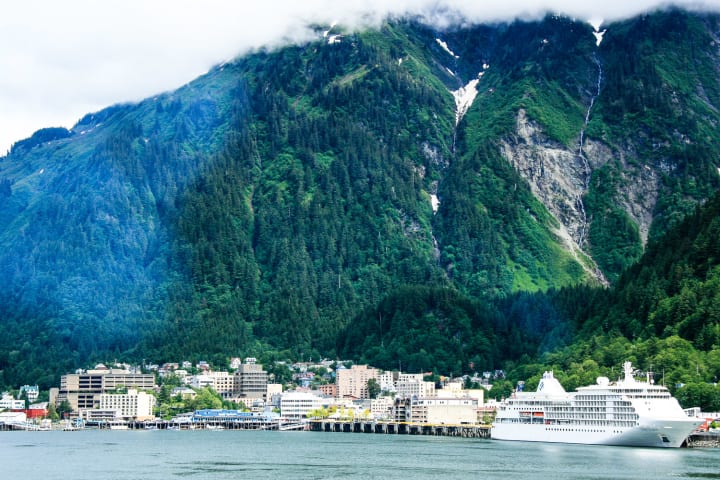
Growth in Juneau expanded greatly when the construction of the Alaskan Pipeline was begun in 1977. Today it does very well with cruise lines making this their stop during the summer season. The city continues to be the only U.S. state capital located on an international border. It’s bordered on the east by Canada.
Land of the Hohokam People

The Hohokam people lived on the land that would one day become Phoenix, Arizona for over 1,000 years. They created irrigation canals to make the land more arable. These canal paths were later put into use for the modern Arizona Canal and others. The first Europeans arrived in the 17th and 18th centuries.
An American Civil War veteran named Jack Swilling was involved in the history of Phoenix as it became a city. He was the one to build a series of canals following the paths of the ancient canals built by the Native Americans. The name Phoenix for the city was suggested by Lord Darrell Duppa due to the fact that like the bird this city was born from the ruins of a former civilization.
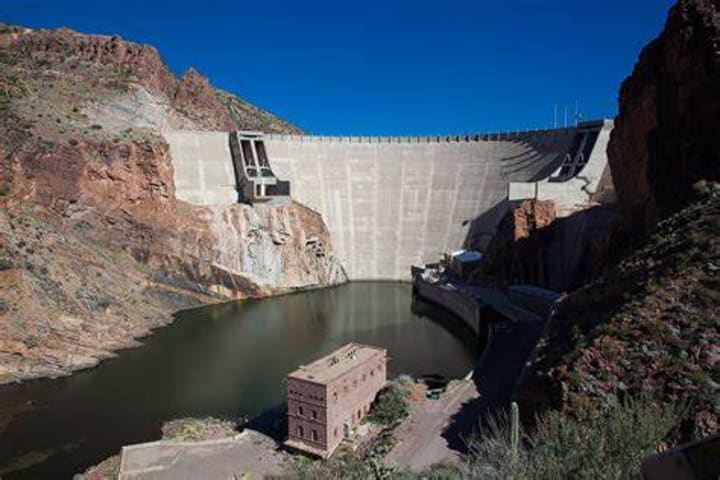
In 1902 the 26th U.S. President Theodore Roosevelt signed the National Reclamation Act that let dams be built on western streams. The Roosevelt Dam was completed in 1911. It was under the 27th U.S. President William Howard Taft that Phoenix became the capital of Arizona. Phoenix grew quickly and developed and many decaying neighborhoods got a new facelift.

Today Phoenix, Arizona is known for its year-round sunshine and warm temperatures. Tourists enjoy the spa resorts, golf courses, and nightclubs. Tourist attractions include the Desert Botanical Garden, South Mountain Park, Camelback Mountain, and the Phoenix Zoo.
About the Creator
Rasma Raisters
My passions are writing and creating poetry. I write for several sites online and have four themed blogs on Wordpress. Please follow me on Twitter.
Keep reading
More stories from Rasma Raisters and writers in History and other communities.
Where is Maanhuttaan?
The biggest problem that Latvian immigrants had in New York City in the 1950s was that the older generation in families the grandmothers and grandfathers often had a most difficult time with English. Mostly they managed by going outside with other family members, babysitting for their grandchildren who picked up English real quick, or just socializing with other Latvians. Well, one grandpa took himself and his wife on a great adventure one fine day.
By Rasma Raistersabout a year ago in History
William Shakespeare
William Shakespeare is widely regarded as the greatest writer in the English language and one of the most influential figures in world literature. His plays and poems have crossed centuries, cultures, and languages, shaping storytelling, drama, and even everyday speech. Yet, despite his immense fame, much of Shakespeare’s personal life remains a mystery. What we do know paints the picture of a remarkable man who rose from a small market town to become the most celebrated playwright of his age. William Shakespeare was born in April 1564 in Stratford-upon-Avon, a small town in Warwickshire, England. The exact date of his birth is unknown, but church records show that he was baptized on April 26, 1564, and it is traditionally believed that he was born on April 23. His father, John Shakespeare, was a glove maker and a local businessman who also held public offices, including that of alderman and bailiff (similar to a mayor). His mother, Mary Arden, came from a respected and relatively wealthy farming family. This background gave young William a stable upbringing and access to education. Shakespeare likely attended the local grammar school in Stratford, where boys were taught reading, writing, Latin grammar, and classical literature. At school, he would have studied works by Roman writers such as Ovid, Virgil, and Seneca—authors who later influenced his plays and poetry. Although there is no record of Shakespeare attending university, his deep knowledge of history, law, politics, and human nature suggests a strong education and an inquisitive mind. At the age of eighteen, Shakespeare married Anne Hathaway in 1582. Anne was eight years older than him, which was unusual for the time. The couple had three children: Susanna, born in 1583, and twins Hamnet and Judith, born in 1585. Tragically, Hamnet died at the age of eleven, a loss that many scholars believe deeply affected Shakespeare and may have influenced the themes of grief and loss in his later works. After the birth of his twins, Shakespeare’s life enters a period often referred to as the “lost years.” From around 1585 to 1592, there are no clear records of his activities. Many theories exist: some believe he worked as a schoolteacher, others think he traveled with acting companies, and some suggest he may have worked in London in various jobs related to the theater. Whatever he did during these years, by the early 1590s Shakespeare had clearly found his calling. By 1592, Shakespeare was established in London as an actor and playwright. London at the time was a bustling city, full of opportunity but also danger, with frequent outbreaks of plague and political tension. The theater was a popular form of entertainment, attracting people from all levels of society—from nobles to common laborers. Shakespeare became associated with a leading acting company known as the Lord Chamberlain’s Men, which later became the King’s Men under King James I. This royal patronage gave the company prestige and financial stability. Shakespeare wrote plays at an astonishing pace. His early works included comedies such as The Comedy of Errors and A Midsummer Night’s Dream, as well as historical plays like Henry VI and Richard III. These plays established his reputation for rich language, memorable characters, and engaging plots. As his career progressed, his writing grew more complex and mature. In the late 1590s and early 1600s, Shakespeare produced many of his greatest tragedies, including Hamlet, Othello, King Lear, and Macbeth. These plays explore deep themes such as ambition, power, jealousy, love, betrayal, and the nature of humanity itself. Shakespeare’s characters are not simple heroes or villains; they are deeply human, full of contradictions and inner struggles. This psychological depth is one of the reasons his works remain relevant today. Shakespeare was not only a playwright but also a poet. In 1609, his collection of 154 sonnets was published. These poems deal with themes of love, beauty, time, mortality, and art. Written in a strict poetic form, the sonnets demonstrate Shakespeare’s mastery of language and emotion. Many of them are still studied and memorized by students around the world. Financially, Shakespeare was very successful. He invested wisely, purchasing property in Stratford-upon-Avon, including a large house known as New Place. Despite his success in London, he maintained strong ties to his hometown. By around 1613, Shakespeare began to retire from active writing and returned to Stratford, where he lived as a respected and wealthy gentleman. William Shakespeare died on April 23, 1616, at the age of 52. The cause of his death is unknown. He was buried in the Holy Trinity Church in Stratford-upon-Avon. His grave bears a famous epitaph warning against moving his bones, a request that has been honored to this day. Seven years after his death, in 1623, Shakespeare’s friends and fellow actors published the First Folio, a collection of 36 of his plays. Without this effort, many of his works might have been lost forever. The First Folio secured Shakespeare’s place in literary history and allowed future generations to discover and study his genius. William Shakespeare’s legacy is immense. He contributed hundreds of words and phrases to the English language, many of which are still in use today. His plays are performed more often than those of any other playwright, and his influence can be seen in literature, film, theater, and popular culture worldwide. More than four hundred years after his death, Shakespeare continues to speak to the human experience, proving that great storytelling truly has no boundaries of time or place. In the end, Shakespeare’s life is a powerful story of talent, determination, and imagination. From a small-town boy in Stratford to the world’s most celebrated writer, his journey reminds us of the enduring power of words and the timeless nature of human emotion.
By The best writer 2 days ago in History
The Rise and Fall of Nicolae Ceaușescu
Nicolae Ceaușescu’s rise to power was initially marked by promise, even optimism. Born in 1918 into a poor peasant family, he entered politics early, shaped by the ideological rigidity of interwar and wartime communism. When he became General Secretary of the Romanian Communist Party in 1965, following the death of Gheorghe Gheorghiu-Dej, many Romanians saw in him a younger leader, one who might soften the harsh Stalinist legacy that had defined the previous decades. For a society weary of repression and deprivation, Ceaușescu appeared to embody the possibility of cautious change.
By Pure child6 days ago in History



Comments
There are no comments for this story
Be the first to respond and start the conversation.