
Unveiling the different types of swords and their uses.
Unlocking the Mysteries: A Closer Look at the World of Swords.
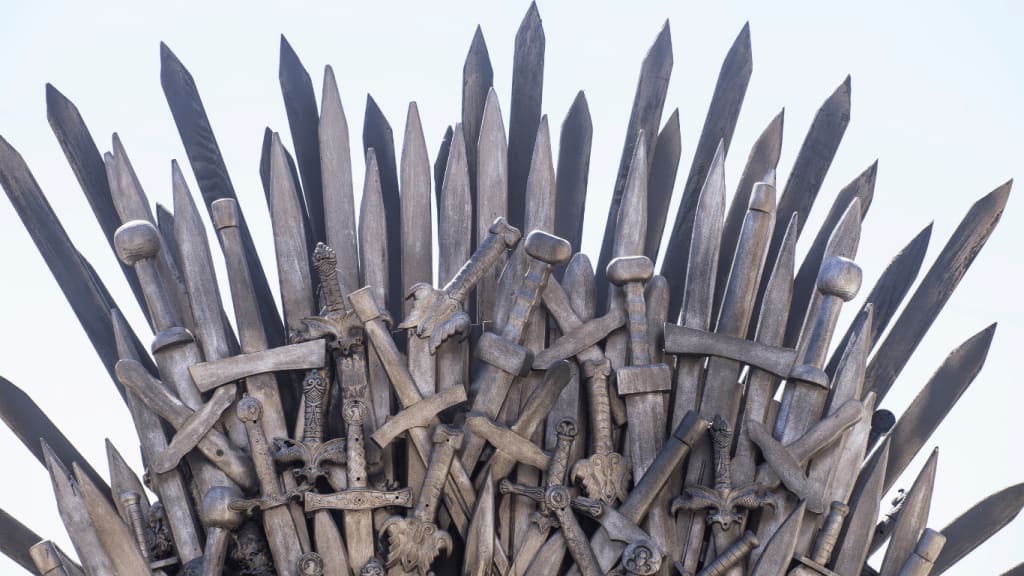
Hey there, sword enthusiasts! If you love watching exciting battles in movies or getting lost in fantasy stories, you've probably noticed the cool swords. Swords have been around for a long time, changing a lot to do different things. In this blog post, we're going to explore the amazing world of swords, checking out the different kinds and what makes each one special. So, get ready for a journey into the history and uses of these awesome weapons.
Broadsword: The All-Purpose Warrior
Let's kick things off with the classic broadsword. This bad boy is a go-to for many warriors throughout history. With a double-edged blade and a hilt suitable for one or two hands, the broadsword strikes a balance between offense and defense. Its versatility made it a favorite on the medieval battlefield, where knights could seamlessly transition between slashing and parrying.
Katana: The Elegant Samurai Blade
Ah, the katana – the iconic sword of the samurai. Renowned for its distinctive curved blade and slender profile, the katana is not just a weapon; it's a work of art. Originally crafted for swift and precise strikes, this Japanese masterpiece is all about finesse. Its primary use? To make every stroke count in the disciplined hands of a skilled samurai.
Rapier: The Dashing Duelist's Choice
If you fancy a touch of elegance in your swordplay, the Rapier is your weapon of choice. With its slim, sharply pointed blade, the Rapier is the preferred tool for duels and fencing. Renaissance nobility often donned the rapier as a stylish accessory, showcasing not only their skill but also their refined taste in weaponry.
Scimitar: The Crescent-Curved Menace
Originating from the Middle East, the scimitar boasts a distinctive curved blade that makes it perfect for sweeping slashes. Used by warriors from various cultures, this Scimitar sword is as effective on horseback as it is on foot. The curve allows for powerful, sweeping cuts, making it a formidable weapon in the hands of those who master its unique design.
Longsword: The Medieval Powerhouse
Picture a knight in shining armor, and you're likely imagining them wielding a longsword. Known for its extended hilt and double-edged blade, the longsword was a staple during the medieval period. Its design allowed for both one-handed and two-handed use, giving knights the flexibility needed for diverse combat situations.
Dagger: The Stealthy Sidekick
When subtlety is the name of the game, enter the dagger. Compact and easily concealable, the double blade dagger is perfect for close-quarters combat and surprise attacks. Historically, it was a popular secondary weapon for knights and soldiers, providing a quick and deadly solution when the main sword was impractical.
Claymore: The Scottish Might
Hailing from the bonnie lands of Scotland, the claymore is a hefty two-handed sword with a distinctive cross-hilt. This formidable weapon was designed for power and reach, making it a favorite among Highland warriors. The claymore's size and weight allowed for devastating blows, turning the tide of battles in the rugged Scottish terrain.
Falchion: The Versatile Cleaver
If you're in need of a versatile sword that can hack through armor and opponents alike, the Falchion is your weapon of choice. With a single-edged blade that widens toward the tip, the falchion combines the power of an axe with the finesse of a sword. It was popular among infantry during medieval times for its ability to deliver devastating cuts with relative ease.
Some Common FAQ's
Q: What makes a broadsword different from other swords?
A: A broadsword stands out with its double-edged blade and a hilt suitable for one or two hands. It's versatile, striking a balance between offense and defense, making it a favorite on the medieval battlefield.
Q: Why is the katana considered a work of art?
A: The katana's curved blade and slender profile give it an elegant and distinctive look. Crafted for precise strikes, it's not just a weapon – it's a masterpiece, showcasing the artistry of Japanese swordsmiths.
Q: What's the main purpose of a rapier?
A: The rapier is the choice for duels and fencing. With its slim, sharply pointed blade, it's all about finesse. Renaissance nobility often used it not only for skill but also to showcase their refined taste in weaponry.
Q: How effective is a scimitar in combat?
A: The scimitar's distinctive curved blade allows for powerful, sweeping cuts, making it a formidable weapon on both horseback and foot. Its design originated in the Middle East and has been embraced by warriors from various cultures.
Q: Why was the longsword popular during the medieval period?
A: The longsword, with its extended hilt and double-edged blade, was a staple for knights. Its design allowed for both one-handed and two-handed use, providing the flexibility needed for diverse combat situations.
Conclusion
In conclusion, the world of swords is a rich tapestry woven with history, culture, and craftsmanship. Each types of sword brings its own unique flair and purpose to the table, reflecting the diverse needs of warriors throughout time. Whether you're drawn to the elegance of the katana, the power of the claymore, or the versatility of the broadsword, there's a sword out there for every enthusiast to appreciate and admire. So, which one speaks to you? Embrace the allure of the blade and delve into the enchanting realm of swords.
About the Creator
Battling Blades
At Battling Blades, we design and sell exceptional handmade items, designed with meticulous attention to detail. Our commitment to utilizing premium metals, bone, wood, and leather ensures unparalleled quality in each of our products.
Keep reading
More stories from Battling Blades and writers in History and other communities.
Viking Swords Unveiled: A Journey Through Time.
Greetings, history enthusiasts and sword aficionados! Today, let's set sail on a historical adventure as we unsheathe the captivating Viking Sword Saga. In this exploration, we'll delve into the evolution of these iconic weapons, the mystique surrounding Ulfberht swords, the craftsmanship that breathed life into them, and the battlefield prowess that made them legendary.
By Battling Blades2 years ago in History
3 Harmless Habits That Once Caused Absolute Chaos
Most habits are comfortingly dull. You chew gum. You clap at events. You check your phone. You assume—reasonably—that these actions will not destabilize governments, bankrupt industries, or end lives. Society depends on this assumption. If every small habit carried catastrophic potential, we would never leave the house.
By Enoch Sagini4 days ago in History
Brosley Punch — The Strike That Shook Fate
Brosley was never taught how to throw a punch. He learned it the hard way—through hunger, through survival, through a childhood spent on a world that showed no mercy. Long before the universe would whisper his name in fear, Brosley was just a boy standing on cracked red stone, staring at a sky that never answered his questions.
By The best writer 2 days ago in History


Comments
There are no comments for this story
Be the first to respond and start the conversation.