
Unearthing the Past: The Discovery and Reconstruction of a Roman Ceremonial Chariot
Roman History


In 2021, archaeologists in Italy made a breathtaking discovery that illuminated a remarkable facet of ancient Roman life. A nearly intact ceremonial chariot was unearthed in Civita Giuliana, a villa complex just a few hundred meters north of Pompeii. This 2,000-year-old chariot, buried by the catastrophic eruption of Mount Vesuvius in AD 79, was not just a practical vehicle but a symbol of ritualistic and ceremonial grandeur. The intricate craftsmanship and the meticulous reconstruction efforts have made this discovery a profound insight into Roman ceremonial practices.
---
The Context of the Discovery
Civita Giuliana, a suburban villa near the ancient city of Pompeii, has yielded numerous archaeological treasures over the years. In 2021, during an excavation conducted to combat illegal tunneling and looting, archaeologists uncovered the chariot within a portico-like area near a stable where the remains of three horses were previously discovered.
The chariot was buried under layers of volcanic ash and pumice, preserving it in an astonishing state of completeness. Despite the destruction wrought by the eruption, this artifact emerged as a rare glimpse into Roman ceremonial life.
Massimo Osanna, the outgoing director of the Archaeological Park of Pompeii at the time, described the find as exceptional. "What we have is a ceremonial chariot, probably the pilentum referred to by some sources, which was employed not for everyday use or agricultural transport, but to accompany community festivities, parades, and processions," he explained.
---
The Pilentum: A Chariot of Prestige
The pilentum was a special kind of chariot mentioned in ancient Roman texts. Unlike utilitarian carts used for agriculture or daily transport, the pilentum was designed for ceremonial purposes. It played a significant role in parades, religious rituals, and public festivities.
This chariot exemplifies Roman attention to detail and artistic sensibility. Its decorations include beautiful bronze and tin components, floral patterns, and other intricate designs that elevate it from a mere vehicle to a ceremonial masterpiece. The pilentum was not just a means of transport; it was a statement of social status and cultural importance.
---
The Preservation and Reconstruction Process
The state of preservation of the chariot is nothing short of remarkable. According to the Archaeological Park of Pompeii, the find included iron components, mineralized wooden remains, and even imprints of organic materials such as ropes and floral decorations. These materials provided invaluable clues about the chariot's construction and purpose.
However, reconstructing such a delicate artifact required both skill and innovation. Plaster casts were made of the organic materials that had decayed over the centuries, allowing experts to visualize and restore the chariot to its former grandeur. Combining these casts with the surviving materials, archaeologists were able to piece together a vivid picture of what the chariot would have looked like 2,000 years ago.
This meticulous reconstruction effort showcases the expertise of the archaeologists, conservators, and researchers involved. Their work not only preserved the artifact but also brought to life the grandeur of Roman ceremonial traditions.
---
Details of the Chariot
The ceremonial chariot is a four-wheeled marvel, adorned with bronze and tin decorations that reveal the artistic prowess of Roman craftsmen. The designs include detailed floral patterns and possibly other symbolic motifs, suggesting that the chariot was meant to impress onlookers and convey a sense of occasion.
The preservation of mineralized wood and organic material imprints provides crucial insight into how the chariot was constructed and decorated. These details indicate that the chariot likely featured vibrant colors and floral arrangements during ceremonies, adding to its visual impact.
---
A Window into Roman Ceremonial Life
The discovery of the chariot offers a rare glimpse into the cultural and ceremonial practices of ancient Rome. While utilitarian carts and wagons are more commonly found in archaeological sites, ceremonial chariots like this one are far rarer.
The pilentum would have been used in parades, religious ceremonies, and other public spectacles, underscoring the importance of pageantry in Roman society. Such events were not only displays of wealth and power but also opportunities for communal participation and celebration.
This artifact also highlights the role of craftsmanship and artistry in Roman culture. The intricate decorations on the chariot reflect the emphasis placed on aesthetics and symbolism, even in functional objects.
---
Significance of the Find
The Civita Giuliana chariot stands out as one of the most significant discoveries from the Pompeii area in recent years. Its exceptional preservation and ceremonial nature make it a unique artifact, offering new insights into Roman engineering, artistry, and cultural practices.
Furthermore, the chariot underscores the importance of ongoing efforts to combat looting and illegal excavations. Had the site not been protected and properly excavated, this extraordinary find might have been lost or irreparably damaged.
---
Conclusion
The 2021 discovery of the Roman ceremonial chariot at Civita Giuliana is a testament to the enduring legacy of ancient Rome and the skill of modern archaeologists. Through meticulous excavation and reconstruction, this artifact has been restored as a vivid reminder of the grandeur and sophistication of Roman ceremonial life.
This chariot is not just a relic of the past; it is a bridge to a world of parades, processions, and public festivities that shaped the cultural identity of an empire. As it stands reconstructed today, it serves as a symbol of human ingenuity—both ancient and modern—and a reminder of the stories still waiting to be unearthed beneath the surface of history.
By preserving and studying treasures like the Civita Giuliana chariot, we honor the craftsmanship and traditions of the past while deepening our understanding of the world that came before us. It is through such discoveries that history continues to live, inspiring awe and curiosity in generations to come.
About the Creator
Keep reading
More stories from Deji Akomolafe and writers in History and other communities.
A Slice of History: The Preserved Loaf of Herculaneum
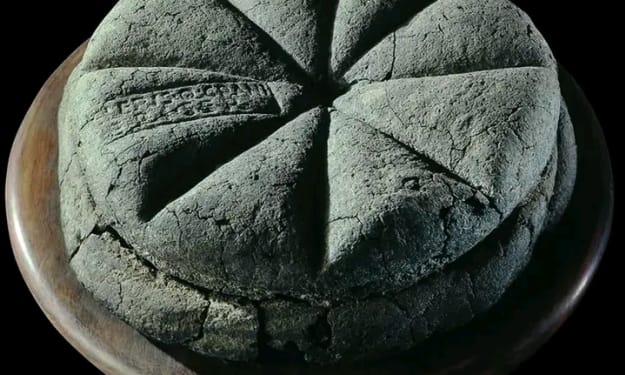
Among the many fascinating artifacts unearthed from the ruins of Herculaneum—a city buried alongside Pompeii during the catastrophic eruption of Mount Vesuvius in 79 AD—one particularly extraordinary find stands out: a loaf of bread. This ancient loaf, baked on the fateful morning of August 24, 79 AD, provides a tangible and deeply human connection to a long-lost world. Carbonized by the intense heat of the eruption and preserved by the very oven it was baked in, the bread remains remarkably intact, bearing the name of its baker, an enduring testament to life in the Roman Empire.
By Deji Akomolafe12 months ago in History
government shutdown 2026
**Government Shutdown 2026: What It Means and Why Americans Are Concerned** A possible government shutdown in 2026 has become a major topic of public discussion in the United States. Many people are searching for clear explanations about what a government shutdown is, why it may happen, who will be affected, and how serious the consequences could be. This article provides a detailed and easy-to-understand overview while answering the most common questions people are asking.
By America today 5 days ago in History
The steps to losing a child
Step One: Lose a child. Not what anyone wants to happen and nothing you can do to change it, but you can go through steps to becoming happy again. You can go through steps to loving again. You can go through steps to become a new you because after losing a child you will never be the same person you once were.
By Tabitha Hinkley3 days ago in Fiction


Comments (1)
Very interesting ♦️♦️♦️♦️♦️♦️