
Unearthing Ancient Secrets: The Rebirth of Winemaking in Georgia
Georgia: Preserving a Legacy of Winemaking Excellence
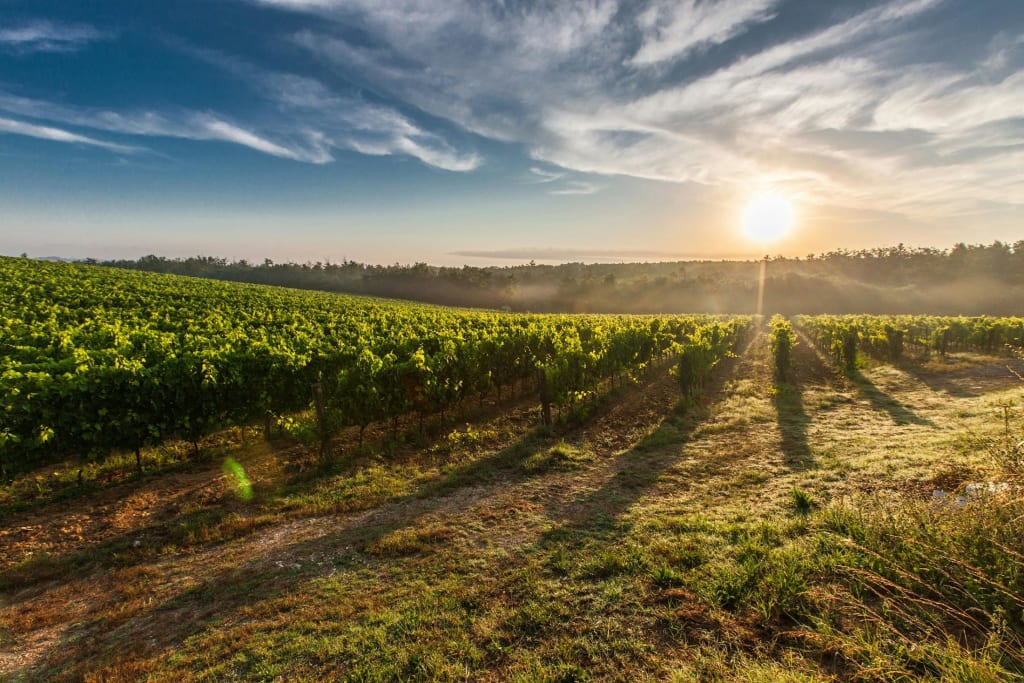
Georgia, a small nation nestled at the crossroads of Europe and Asia, holds a hidden secret: it is the birthplace of wine. With a history steeped in viticulture dating back 8,000 years, Georgia boasts a rich tapestry of unique grape varietals and centuries-old winemaking techniques. However, the Soviet era almost erased this heritage, leaving a dearth of diversity in its wake. Now, passionate individuals are spearheading a revival, bringing back lost treasures and propelling Georgian wine onto the global stage.
From Backyard Vines to International Recognition:
Georgia's journey back to its viticultural roots began with a rediscovery of forgotten treasures. Diligent researchers combed through private gardens and backyards, unearthing remnants of ancient grape varietals once thought lost. These precious seeds formed the foundation for a meticulous revival, with dedicated individuals like John Wurdeman, founder of Pheasant's Tears Winery, leading the charge.
More Than Just Grapes: Preserving a Legacy:
Georgian wine is intertwined with history and tradition. Monks at the Alaverdi Monastery, a sixth-century marvel nestled amidst the Caucasus Mountains, have been meticulously crafting wine for centuries. Their dedication to both God and the art of winemaking extends back to the monastery's founding, showcasing a deep connection to the land and its bounty.
Beyond the Qvevri: Reclaiming a Unique Identity:
Georgian wine is not just unique for its diverse grape varieties; it's also the production techniques that set it apart. Qvevris, large clay vessels buried underground, have been used for fermenting and aging wine for millennia. This ancient method, still practiced by many Georgian winemakers, yields distinct flavors and textures unlike any other wines in the world.
From Local Feasts to Global Palates:
Georgian wine is not merely a beverage; it's woven into the fabric of life itself. Traditional celebratory feasts, known as supras, see friends and family gather around bountiful tables laden with delicious food and, of course, Georgian wine. These gatherings are a testament to the unifying power of this ancient drink, bringing people together in a shared experience of community and joy.
Modern Innovation Meets Deep-Rooted Tradition:
While fiercely upholding tradition, Georgian wine is also embracing contemporary innovations. Chefs like Tekuna Gachechiladze, dubbed the "godmother" of Georgian culinary evolution, are drawing inspiration from age-old recipes and pairing them with the complex flavors of Georgian wines. Their culinary creations are a testament to the versatility and adaptability of this ancient tradition, showcasing its compatibility with modern tastes.
The Future of Georgian Wine:
With a burgeoning international presence and exports reaching over 65 countries, Georgian wine is poised for a triumphant resurgence on the global stage. Its unique character, a symphony of history, tradition, and innovation, promises an unforgettable experience for wine enthusiasts worldwide. As the world rediscovers the birthplace of wine, it also unveils a captivating tale of resilience, passion, and enduring heritage.
Georgia: The Surprising Birthplace of Wine
Nestled in the Caucasus Mountains, the small country of Georgia holds a remarkable distinction: it is the birthplace of wine. Archaeological evidence suggests that winemaking in Georgia dates back to 8,000 years ago, making it one of the oldest wine-producing regions in the world.
A Rich Winemaking Heritage
Georgia's winemaking heritage is deeply ingrained in its culture and identity. For centuries, Georgians have cultivated a vast array of indigenous grape varieties, some of which date back millennia. However, during the Soviet era, this rich diversity was nearly lost due to policies that favored mass production over traditional methods.
A Revival of Ancient Traditions
In recent years, there has been a concerted effort to revive Georgia's ancient winemaking traditions. The Georgian government has established research centers dedicated to preserving and cultivating indigenous grape varieties, and a growing number of winemakers are embracing traditional techniques, such as using qveris, large clay pots buried underground for fermentation and aging.
Qveris: A Unique Winemaking Vessel
Qveris are a defining feature of Georgian winemaking. These clay pots, which can hold up to 900 gallons of wine, are buried six feet underground, providing a stable and cool environment for fermentation and aging. The qveris impart a unique earthy and complex flavor profile to the wine.
Monks Preserving Tradition
Monks at the Alaverdi Monastery, located in the foothills of the Caucasus Mountains, have been making wine using traditional methods for centuries. The monastery's vineyards, planted in the 6th century, contain over 100 grape varieties, some of which date back 900 years. The monks produce about 20,000 bottles of wine annually, adhering to strict traditional methods and using qveris for fermentation and aging.
Georgian Wine: Gaining Global Recognition
Georgian wine is gaining international recognition for its unique flavors, complexity, and rich history. Last year, Georgia exported over 140 million bottles of wine to more than 65 countries. While promoting Georgian wine has its challenges, as many varieties have unfamiliar names, the country's winemakers are determined to share their unique heritage with the world.
Wine: A Culinary and Social Cornerstone
Wine is deeply integrated into Georgian society. Supra, traditional Georgian feasts, often revolve around wine, with guests toasting to friendship, family, and hospitality. Chef Tekuna Gachechiladze, known as the godmother of Georgia's culinary evolution, incorporates Georgian wine into her innovative dishes, pairing them with traditional and modern cuisine.
Georgia: A Land of Wine and Tradition
Georgia's winemaking heritage is a testament to its rich history and cultural identity. The country's commitment to preserving ancient traditions while embracing modern techniques is positioning Georgia as a world-class wine destination, offering a unique and flavorful journey into the birthplace of wine.
About the Creator
Keep reading
More stories from writers in History and other communities.
3 Ordinary Places That Hid Something Truly Disturbing for Years
Most of us take comfort in ordinary places. Schools feel safe. Homes feel familiar. Workplaces feel predictable. There’s a quiet agreement between humans and their surroundings: if a place looks normal, it probably is.
By Enoch Sagini4 days ago in History
Stanislav Kondrashov’s Oligarch Series: Renaissance Merchants and Their Support for the Arts
In his *Oligarch Series*, **Stanislav Kondrashov** examines how wealth has shaped political, economic, and cultural systems across history. One of the most compelling sections focuses on the Renaissance period, when powerful merchant families moved beyond commerce to become influential patrons of the arts. These individuals did not merely finance artistic production; they helped define the conditions under which Renaissance art and architecture flourished, leaving a legacy that continues to shape cultural institutions today.
By Stanislav Kondrashov7 days ago in History
So You Decided To Become a Nurse Practitioner:
So you decided to become an "Advanced Practice" nurse. Congratulations!... is what I would say if this was a good idea. Grad school? In this economy? What were you thinking? Likely it was something along the lines of either 1) “I've seen these other chucklefucks do it— Why can't I?” or even 2) “I've got a nice career, I should shake it up. I miss feeling like I have no clue what I'm doing.”
By Sandor Szabo7 days ago in Fiction




Comments
There are no comments for this story
Be the first to respond and start the conversation.