
Uncovering the Lost World of the Ancient Maya
A Journey Through Laser Mapping and Archaeological Discoveries
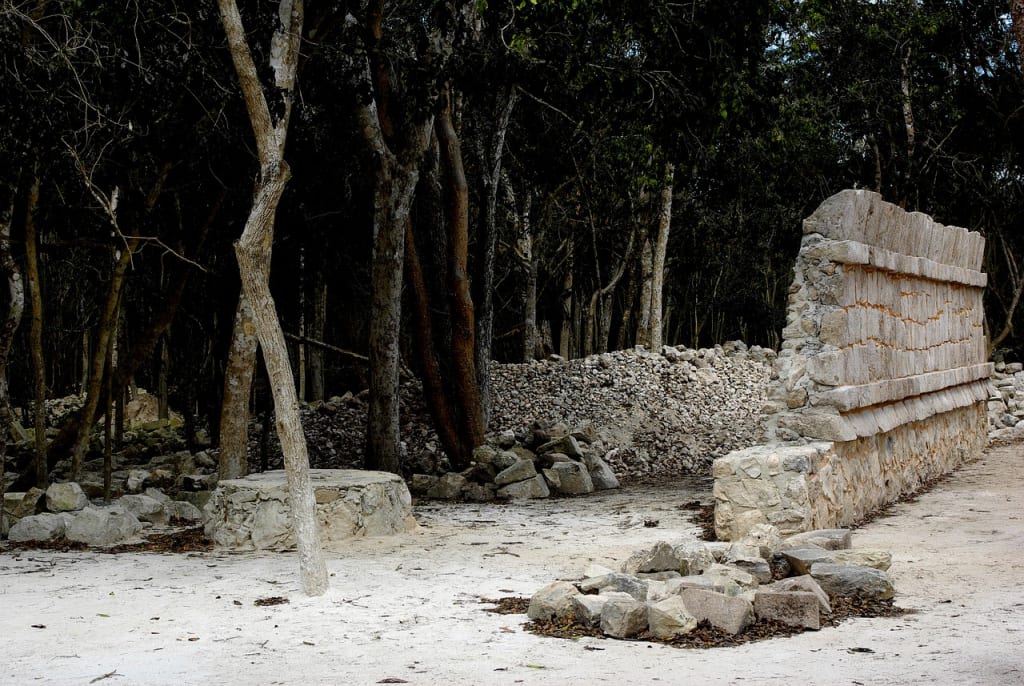
Hidden beneath the vast canopy of the Central American rainforests lies a lost world of ancient civilizations—the Maya. For centuries, these enigmatic cities, shrouded in mystery, have fascinated archaeologists and historians alike. However, the secrets of the Maya's lost world are now being exposed with the help of cutting-edge technologies, including laser mapping (LiDAR) and archaeological excavations. This new superpower of "x-ray vision" from the sky is revolutionizing our understanding of the Maya and revealing a treasure trove of forgotten wonders.
Laser Mapping: X-ray Vision from the Sky
Archaeologists are harnessing the power of LiDAR, or Light Detection and Ranging, to virtually see through the dense forest canopy without disturbing a single leaf. By firing light pulses from aircraft and measuring their return, LiDAR creates a 3D map of the ground surface, allowing researchers to detect hidden structures beneath the thick vegetation. This technology has revolutionized archaeological research and has given rise to numerous revelations.
The LiDAR Discoveries of 2018
In 2018, the Guatemalan landscape witnessed thousands of new ruins emerging, as LiDAR uncovered previously unknown structures and expanded our knowledge of the Maya civilization. LiDAR mapping in the Maya Biosphere Reserve, covering over 800 square miles, revealed the presence of complex cities with intricate road systems, temples, and palaces—a testament to their advanced engineering and urban planning.
Maya's Origins and Multiple Cradles
Traditionally, Guatemala has been considered the birthplace of the Maya civilization. However, recent findings suggest that multiple cradles of the Maya civilization existed. The Mirador Basin in Mexico, dating back to 600 BC, is now recognized as an early center of Maya civilization. Over the centuries, the Maya civilization became one of the most advanced in the Americas, mastering mathematics, astronomy, writing, and producing remarkable art.
Unveiling the Pre-Classic Period: The Oldest Maya Paintings
In Mexico, cave exploration has led to the discovery of ancient Maya paintings dating back to 100 BC, during the pre-classic period. These paintings depict jaguars and hunting scenes in a unique style, distinct from the traditional Maya civilization of the south. The findings challenge previous assumptions and provide crucial insights into the early days of the Maya civilization.
Maya's Mega Society in the North
The LiDAR revelations, particularly in the northern Yucatan, have unveiled an ancient Maya mega society that was just as powerful and as old as those in the south. Cities like Kiwi and Stairway to Heaven showcase a prosperous and complex society with middle-class settlements. Their expertise in water management, using cisterns called chiltoons, allowed them to flourish in the water-scarce Yucatan region.
The Rise of the Cult of Quetzalcoatl
In the 800s, a new ideology emerged in the northern Maya society—the Cult of Quetzalcoatl or the Feathered Serpent. This political ideology entailed initiation rituals and may have caused tensions between those who embraced it and those loyal to traditional beliefs. It might have played a role in the subsequent collapse of the northern Maya civilization.
The Collapse and Abandonment
The northern Maya society faced a series of severe droughts during the 9th century, challenging their advanced water management techniques. It is believed that political instability caused by the cult's emergence hindered an organized response, leading to a gradual collapse and abandonment of key cities and towns.
Unveiling the Maya's Lost World
Today, the jungles of the Yucatan stand as a testament to the fleeting nature of even the most advanced civilizations. Thanks to LiDAR technology and painstaking archaeological work, we are gradually uncovering the secrets of the Maya's lost world. As laser mapping continues to expose new wonders hidden in the rainforests, we gain a deeper understanding of one of history's most fascinating civilizations—the ancient Maya.
About the Creator
Keep reading
More stories from Christina Moody and writers in History and other communities.
The Hunt for Cleopatra's Lost Tomb
Egypt, a land of mystery and ancient wonders, holds the key to one of history's greatest enigmas: the lost tomb of Queen Cleopatra. Renowned as the last pharaoh of Egypt, Cleopatra's life and death have captivated the world for centuries. While the location of her final resting place remains a mystery, archaeologists and explorers are on an unprecedented quest to unearth her secrets. Join us on an extraordinary journey as we delve into the excavations, decipher hieroglyphs, and follow the clues that might rewrite ancient history forever.
By Christina Moody2 years ago in History
The Quiet Collapse of Global Arms Control
The Quiet Collapse of Global Arms Control For decades, arms control agreements helped prevent the world’s most powerful weapons from spiraling out of control. Treaties limited nuclear stockpiles, increased transparency, and built fragile trust between rival states. Today, that system is quietly unraveling—and its collapse may define the next era of global insecurity.
By Wings of Time 3 days ago in History
Valentine’s Day : A Way to Celebrate Love, Life and Relationships
Valentine’s Day : A Way to Celebrate Love, Life and Relationships Valentine's Day, which falls on February 14, is an international representation of love, romance, and attachment in its most profound forms. Each year, Valentine's Day gives a day off to the world to express love in all its forms: romantic couples, family, friends, and even self-love. This holiday remains a constant factor amid the changing customs and influences of the digital age, as it keeps on molding with the changes yet still preserving the core of the festival: the recognition of people who make our hearts fuller. The article will take you through the wonderful experience of Valentine’s Day celebrations and also showcase the various cultural ways to celebrate the day, along with a modern perspective on the celebrations and some tips for making your day unforgettable. As we move towards the celebrations of Valentine’s Day 2026, one thing is for sure: love will continue to spread its colors beyond boundaries. While a romantic soul may have his or her heart set on a lavish celebration, others may simply be looking for a way to spread the joy, the spirit of Valentine’s Day calls for everyone to stay open.
By Pranjal Pandeyabout 6 hours ago in History


Comments
There are no comments for this story
Be the first to respond and start the conversation.