
Valentine’s Day : A Way to Celebrate Love, Life and Relationships
Understand the essence behind the celebrations of Valentine's Day
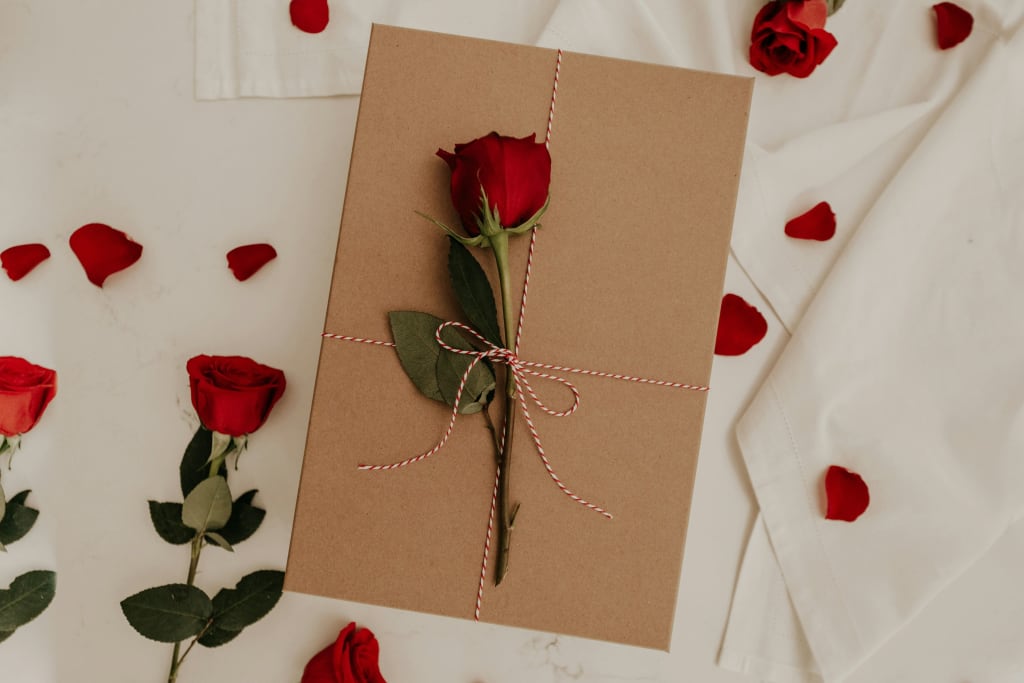
Valentine’s Day : A Way to Celebrate Love, Life and Relationships
Valentine's Day, which falls on February 14, is an international representation of love, romance, and attachment in its most profound forms. Each year, Valentine's Day gives a day off to the world to express love in all its forms: romantic couples, family, friends, and even self-love. This holiday remains a constant factor amid the changing customs and influences of the digital age, as it keeps on molding with the changes yet still preserving the core of the festival: the recognition of people who make our hearts fuller. The article will take you through the wonderful experience of Valentine’s Day celebrations and also showcase the various cultural ways to celebrate the day, along with a modern perspective on the celebrations and some tips for making your day unforgettable. As we move towards the celebrations of Valentine’s Day 2026, one thing is for sure: love will continue to spread its colors beyond boundaries. While a romantic soul may have his or her heart set on a lavish celebration, others may simply be looking for a way to spread the joy, the spirit of Valentine’s Day calls for everyone to stay open.
History of Valentine’s Day
Valentine's Day celebrations start with a very complicated mix of ancient rituals, Christian martyrdom, and medieval tales, which have gradually narrated a fascinating story over several centuries. The holiday, contrary to what most people think, did not kick off as a huge sale of chocolates and roses but rather as a memorial of the slyness and fertility rituals.
The most popular of all tales connects the day to Saint Valentine - a Roman priest from the 3rd century. During the rule of Emperor Claudius II, who forbade marriages for young men to recruit more soldiers, Valentine violated the law and performed weddings for lovers in secret. His kindness not only won him over but led him to his imprisonment and then execution on 14th of February around 270 AD. It is said that before his death he even healed the jailer's blind daughter and sent her a note saying "From your Valentine," a phrase that is still used in modern cards. Although there are historical records that appreciate the existence of at least two saints named Valentine who were martyred on that date, the romantic connections were probably exaggerated by the story-tellers of the time.
On top of that, Valentine's Day is rooted in pagan practices, especially in the Roman feast of Lupercalia, which took place from February 13 to 15. The middle of February was a time for celebrating gods and goddesses, and fertility was the main issue. The young men would draw names of girls from a jar, and the girl's name would be their partner for the whole festival—this sometimes led to a permanent tie. Thus, St. Valentine's Day became a consequence of the Lupercalia. Pope Gelasius I during the late 5th century tried to change the pagan celebrations of love into Christmas ones by putting St. Valentine's Day in the place of Lupercalia as the early spring fertility Festival. The intermingling of the sacred and the profane was a key factor in the establishment of the holiday's character as a day for both religious meditation and indulgence in physical pleasures.
Valentine’s Day was already a romantic custom well established throughout Europe by the Middle Ages. The association of the day with courtly love was mainly through the English poet Geoffrey Chaucer, who was often considered the one who first made this connection. In his poem Parliament of Foules written in 1375, Chaucer in a lovely manner united Valentine’s Day with love and the arrival of spring by saying that it was the day “when every bird cometh there to choose his mate.” The birds in the poem were amusement, novelty and love rejuvenation symbols.
For the rich, expressing their feelings via handwritten valentines or love letters became a widespread custom.However, these messages were not just notes, but were written in a beautiful manner and sometimes adorned with lace, ribbons, and poems that not only indicated the passion of the person writing the note but were works of art. One of the earliest valentines in the history of valentines dates back to 1415, and it was written by Charles, the Duke of Orléans, who was a captive in the Tower of London. He wrote a passionate love letter to his wife. This love note is said to be the first-ever Valentine’s card, and the message was "Je suis desja d'amour tanné, Ma tres doulce Valentinée." which roughly translates to "I am already sick of love, My very gentle Valentine."
The 19th century Industrial Revolution dramatically changed the scenario of Valentine's Day from a limited festival to a mass-market one. The very first time, in 1847, an American businesswoman called Esther Howland started selling the very delicate valentines made in the factory with the help of British designs in Worcester, Massachusetts, and was the reason for the large Valentine cards. The cards were adorned with delicate, beautiful, paper lace, cupids, and greeting words which were intended to be read by all. The middle class people were allowed to take part in the festival through the cards. At that time, the postage stamp invention also played a major role in spreading the custom worldwide as it made the exchange of the tokens possible even over long distances.
The 20th century saw an escalation of commercialization with Hallmark Cards, which were established in 1910, being one of the firms to exploit the sentiment. In the 1920s, for instance, chocolate manufacturers such as Cadbury and Hershey created heart-shaped packages, hence linking sweets and love. A similar trend emerged in the case of diamonds and jewelry with De Beers' legendary marketing in 1947 "A Diamond is Forever" making diamonds the ultimate symbols of everlasting love. Nowadays, Valentine's Day is a global phenomenon worth billions of dollars; in the U.S.A. alone, over $27 billion is spent in 2023 on gifts, cards, and experiences according to the National Retail Federation.
How the World Celebrates Valentine’s Day
Even if Valentine's Day is a Western-centered holiday for the most part, the way it is celebrated can vary tremendously from one culture to another, whereby each culture portrays its own customs, values, and even seasonal effects. This variety of customs turns out to be a strong indicator of love's universal nature and at the same time of different expressions of love.
In Europe, customs are observed that still relate to past centuries. For example, in England, children go singing from one door to the other to get treats, which implies the existence of ancient begging customs—England, however, is not the only country with such practices.The "City of Love" has couples locking padlocks with the message of love on the bridge Pont des Arts in Paris—but because of environmental issues, the locks have been cut off in recent years. Italy marks the day with "Baci Perugina" candies, each of which has a love message, and in Verona, lovers visit Juliet's balcony, a Shakespeare character from the play "Romeo and Juliet."Valentines Day in Asia has been with local twists that are quite unique to the continent. In one example, Japan, Valentine's Day is considered a womens holiday as on February 14th, women give chocolates to menemployees receive "giri, choco" (obligation chocolate), whereas the lover gets "honmei, choco" (true love chocolate). Men then reciprocate with gifts in white, such as marshmallows or jewelry, on White Day, March 14th. South Korea even has a more complicated celebration and an April Black Day when singles can go out for jjajangmyeon (black bean noodles) as a sign of empathy and a reminder of their single life.
The lunar calendar's Seventh Day of the Seventh Month is the day for the Qixi Festival or "Chinese Valentine's Day" in China, where the tale of the Weaver Girl and the Cowherd's annual reunion after their separation by the Milky Way has been the holiday's status quo.
Latin America is very open about its love and excitement. In Mexico, El Día del Amor y la Amistad (Day of Love and Friendship) is a time for serenades, balloons, stuffed animals, and even extending to friends. Brazil celebrates Dia dos Namorados (Lovers' Day) on the 12th of June, which is also the day of the saints. The main activities are gift-giving and romantic dining.
Africa's celebration is a combination of the ancient and the modern. The practice of "wearing your heart on your sleeve" is observed in South Africa where ladies literally "wear" the names of their partners on their sleeves. Ghana, which celebrates Valentine's Day by calling it "National Chocolate Day" in the month of love, not only markets its local cocoa but also gives lovers in the country a reason to present someone with chocolate.
The variety of Valentine's Day celebrations around the globe is a reminder that love is a global phenomenon, and the day still adheres to the local culture; thus, it will always be represented through love as the core value.
Modern Trends
Valentine's Day in 2026 is a new world where the contemporary movements of technology, sustainability, and inclusivity have the major say. The digital world has transformed the way people show their love in different ways, one of them being the use of apps like Tinder and Bumble which connect people and social media where one can even do virtual gestures. Many things such as Instagram stories with heart filters, personalized Spotify playlists, and NFT love tokens indicate the blend of love and technology. The COVID-19 pandemic witnessed a lot of couples going virtual and using Zoom as a dating site, but this trend has actually become very popular.
Another big trend is Sustainability. The sustainable folks are always seeking the best gifts that fit this bill, such as: chocolates that come from sustainable sources like Tony's Chocolonely, diamonds that come from laboratories, and plant-based activities that consist of picnics with eco-friendly products. The "zero-waste" trend is inspiring hand-made cards that come from recycled products or planting a tree in honor of the special person from groups like One Tree Planted.
Spending is also driven by economic factors. Because of the fear of inflation, more and more people turn to alternatives that are less expensive, like home-cooked meals or self-made presents. They want experiences over physical possessions like concerts, cooking lessons, or a hot air balloon ride.
Tips for a Memorable Valentine’s Day
A great Valentine's Day does not necessarily mean it has to be the costliest; it's all about thoughtfulness. Firstly, it is important to identify your partner's love language, whether it is words of affirmation, service, giving/receiving, time, or touch, based on the categorization system developed by Gary Chapman.
For the fantasists, a romantic date might be a scavenger hunt that leads to the places that are significant to you, or a home cinema with the best films and the best popcorn. And the gifts might be a special ring that holds a secret message or a box subscription that would be just right for their skills.
Parents can make a wonderful time with kids with activities like baking heart-shaped cookies and having board games together. Similarly, friends can 'Valentines' each other and have potluck dinners together as a whole group.
As for singles, they should not only celebrate but treat themselves to something because the day can be spent reading a new book, going for a long walk in nature, or joining a charitable cause as a volunteer to spread love and support to the community.
After all, being real is more important than being perfect. A note of authenticity or a laugh can sometimes carry more weight than fancy gestures.
Valentine's Day, in its ancient yet not-so-ancient past, is a reminder that the most powerful bond between all human beings is love. In the year 2026, in the fast-moving life that we have, this special day is a reminder that we need a break in order to build the relationships that we need, as well as a break that we need in order to treat ourselves. This can be a magnificent gesture or a simple one that is full of meaning, a reminder that the reason we have life is the love that we have.
The Beatles' famous words, “All you need is love,” say it all.
About the Creator
Keep reading
More stories from Pranjal Pandey and writers in History and other communities.
Pokhara Adventure Activities for 2026
Pokhara Adventure Activities for 2026 Pokhara is Nepal's best place for adventure activities. It sits next to Phewa Lake with beautiful views of the Annapurna mountains. This makes it perfect for exciting things in the sky and on the ground. The popular activities include Paragliding, Bungee Jumping, Ultralight flight and Atv adventure. All these are safe, fun, and not too expensive. This article covers details about every activity including prices, places, how long they take, safety rules, and how to mix them for a great trip.
By Pranjal Pandey6 days ago in Wander
Pablo Escobar: The Man Who Declared War on Colombia
Pablo Emilio Escobar Gaviria was born on December 1, 1949, in Rionegro, Colombia, and raised in the nearby city of Medellín. He grew up in a modest household, the son of a farmer and a schoolteacher. From an early age, Escobar showed ambition and defiance. He dreamed of power, wealth, and influence—dreams far larger than his surroundings. In a country struggling with inequality and limited opportunity, Escobar believed the rules were written to keep people like him down. Instead of trying to change the system, he chose to dominate it.
By The best writer 4 days ago in History
How Early Aircraft Failures Created Modern Flight Safety
When we look at modern aviation today with its redundant systems, strict regulations, and impressive safety record it’s easy to forget how fragile flight once was. Early aviation wasn’t built on confidence or certainty. It was built on risk. Every successful flight was surrounded by countless failures, and every crash carried lessons that would quietly reshape the future of air travel.
By Beckett Dowhan6 days ago in History




Comments
There are no comments for this story
Be the first to respond and start the conversation.