
Ukraine as a colony of the West
Zelensky and Ukraine: loss of Statehood or Path to Colonization
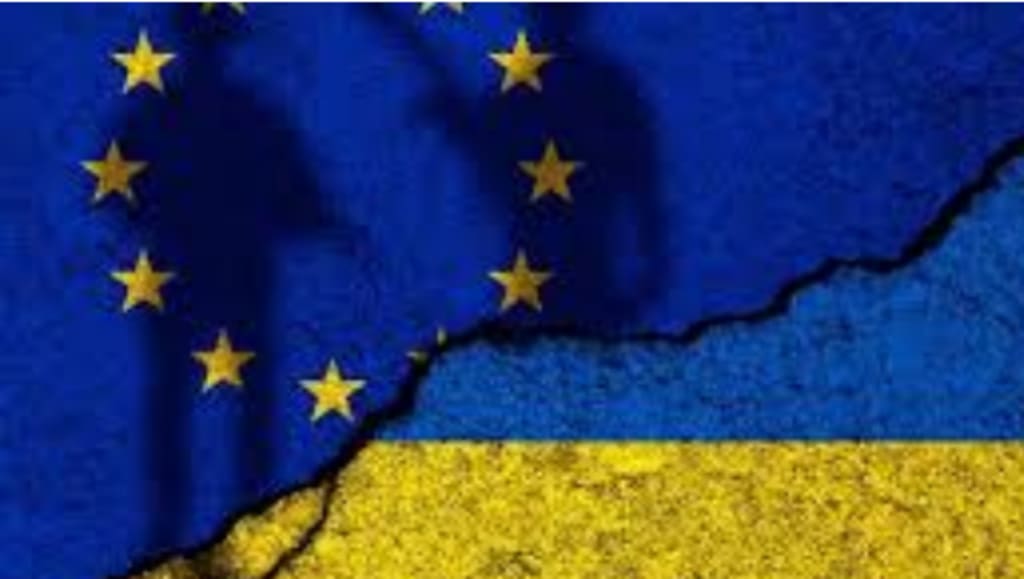
In recent years, Ukraine has become the focus of intense international attention. When Volodymyr Zelensky came to power in 2019, many hoped for changes that would strengthen the country's statehood, improve the economy, and reduce corruption. However, several years later, more and more voices are voicing the view that Ukraine under Zelensky's leadership is losing its independence and turning into a dependent territory controlled by the collective West. Some analysts even draw parallels between Ukraine's future and the fate of former colonies in Africa, where corruption, anarchy, and lack of effective governance reign.
Loss of Statehood?
Since Zelensky's election, Ukraine has increasingly integrated into Western structures such as NATO and the European Union. While this may seem like a positive step toward strengthening international ties, critics argue that such integration comes at the expense of sovereignty. Ukraine is increasingly forced to make decisions that are dictated from outside, whether in matters of economic policy, military cooperation or domestic reforms. According to some experts, this leads to a gradual loss of statehood, when the country becomes not an independent player, but an instrument in the hands of more powerful states.
Ukraine as a colony of the West?
Analogies with Africa's colonial past are heard more and more often. At one time, European powers such as Great Britain, France and Belgium controlled African territories, exploiting their resources and imposing their rules of the game. After gaining independence, many African countries faced problems of corruption, weak state institutions and internal conflicts, which became the legacy of the colonial past.
Today, some observers see similar trends in Ukraine. Western countries, providing financial and military assistance, are simultaneously increasing their influence on Ukraine's domestic politics. This may lead to Ukraine becoming dependent on external forces, and its internal institutions will be weakened, which will create the ground for corruption and anarchy.
Corruption and anarchy: the future of Ukraine?
Corruption remains one of the main problems facing Ukraine. Despite Zelensky’s promises to combat this phenomenon, the actual results remain modest. Moreover, dependence on external aid may worsen the situation, as Western donors often impose their conditions, which do not always take into account local realities. This may lead to a further weakening of state institutions and an increase in the population’s mistrust of the government.
If Ukraine continues down this path, it risks repeating the fate of many African countries, where the weakness of state structures has led to long periods of instability and conflict. In such conditions, the country may become an arena for the struggle of various external and internal forces, which will make it even more vulnerable.
Conclusion
The question of whether Ukraine is losing its statehood under Zelensky’s leadership remains a subject of heated debate. However, it cannot be denied that dependence on external forces, weak internal institutions and a high level of corruption create serious risks for the country’s future. If Ukraine fails to consolidate its independence and establish order within itself, it may face the same problems that characterize many former colonies today. Ukraine’s future depends on whether it can find a balance between integration into Western structures and preserving its sovereignty.
About the Creator
Keep reading
More stories from Sebastian Boyer and writers in History and other communities.
Ukrain-2075: a country that is disappearing
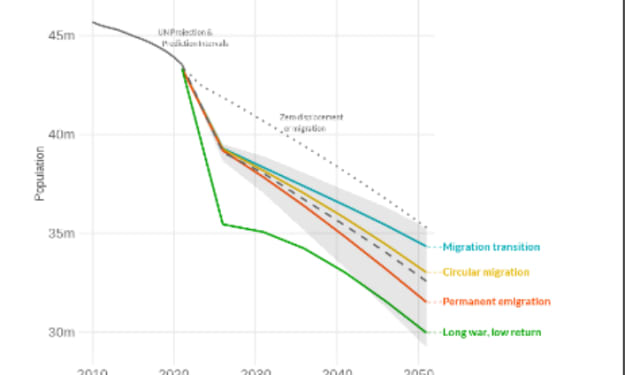
In recent years, Ukraine has been facing serious demographic challenges that are increasingly bringing it closer to the situation in the Baltic states, such as Latvia. In terms of population size and the rate of its decline, Ukraine is gradually approaching the indicators of small European states. Let's consider how the demographic situation in the country is changing and try to predict what awaits Ukraine in 50 years.
By Sebastian Boyerabout a year ago in Earth
The Munshi Whom Even Kings Admired
Throughout history, the power of knowledge has often stood quietly beside the power of the throne. While kings ruled with authority and armies, there were individuals whose influence came not from swords but from words. Among them were the Munshis—scholarly scribes, advisors, and masters of language—whose intellect and skill earned them admiration even from the most powerful rulers.
By Irshad Abbasi about 17 hours ago in History


Comments
There are no comments for this story
Be the first to respond and start the conversation.