
Trump and Zelenskyy’s Oval Office Face-Off Takes a Shocking Turn!
Accusations, frustration, and a broken alliance—inside the White House meeting that left diplomatic relations on the edge


On March 1, 2025, a highly anticipated meeting took place in the Oval Office between U.S. President Donald Trump, Vice President JD Vance, and Ukrainian President Volodymyr Zelenskyy. The agenda was to discuss a minerals agreement granting the U.S. access to Ukraine’s rare earth elements, crucial for various technological applications. However, the meeting devolved into a heated confrontation, ending abruptly without any agreements signed.
Prelude to the Meeting
In the days leading up to the meeting, President Zelenskyy engaged with U.S. political figures, including Senator Chris Murphy and other Democrats. These discussions influenced his stance on the proposed mineral deal, leading him to reconsider terms previously agreed upon. The deal aimed to establish a partnership between the U.S. and Ukraine for mining rare earth minerals, with proceeds earmarked for Ukraine’s reconstruction efforts. Zelenskyy’s shift in position set the stage for the ensuing confrontation. 
The Oval Office Confrontation
The meeting began with President Trump and Vice President Vance expressing concerns over Ukraine’s reliance on U.S. military support amid its ongoing conflict with Russia. Vice President Vance accused President Zelenskyy of not showing sufficient gratitude for the assistance provided by the United States, labeling his demeanor as “disrespectful.” This accusation sparked a tense back-and-forth between the leaders. President Trump intensified the confrontation by accusing President Zelenskyy of “gambling with World War Three,” suggesting that Ukraine’s actions were escalating global tensions. 
In response, President Zelenskyy maintained that a mere cease-fire would be inadequate, citing previous violations by Russian President Vladimir Putin. He emphasized the necessity of securing broader security guarantees to ensure lasting peace in the region. This stance was met with frustration from the U.S. delegation, leading to the cancellation of a planned luncheon and press conference. 
Media and Public Reactions
The confrontation received extensive media coverage, with outlets worldwide highlighting the unprecedented nature of the exchange. The Guardian described the meeting as “one of the greatest diplomatic disasters in modern history,” emphasizing the severity of the fallout. CNN noted that “never before has an American president verbally attacked his visitor like Trump did to Zelenskyy,” underscoring the departure from traditional diplomatic decorum. 
Within the United States, reactions were polarized. Members of President Trump’s Republican Party largely supported his stance, praising the administration’s firm approach. In contrast, Democratic leaders criticized the handling of the meeting, expressing fears that the deteriorating relationship could embolden Russian aggression and undermine global stability. 
International Implications
The fallout from the meeting was immediate and widespread. European leaders, including French President Emmanuel Macron and German Chancellor Olaf Scholz, rallied behind President Zelenskyy, reaffirming their steadfast support for Ukraine against Russian aggression. They emphasized the importance of unity among Western allies and expressed concern over the potential implications of the strained U.S.-Ukraine relations. 
Social Media and Public Perception
The incident also garnered significant attention on social media. A video capturing the Ukrainian ambassador to the U.S., Oksana Markarova, reacting with visible mortification during the Oval Office clash, went viral. The footage highlighted the shock and dismay felt by Ukrainian officials in response to the unexpected turn of events. 
Aftermath and Future Prospects
In the aftermath, President Zelenskyy expressed his gratitude to the United States, President Trump, and Congress for their continued support. He reiterated Ukraine’s readiness to engage in agreements that would lead to lasting peace but underscored the need for comprehensive security assurances beyond a simple cease-fire. 
This incident marks a significant turning point in U.S.-Ukraine relations, introducing uncertainties about future collaborations and the stability of support for Ukraine’s defense efforts. The global community watches closely as the situation develops, understanding that the outcomes of these diplomatic interactions have far-reaching implications for international security and geopolitical dynamics
About the Creator
Keep reading
More stories from Lynn Myers and writers in History and other communities.
The Mystery of Gene Hackman: Hollywood’s Final Farewell
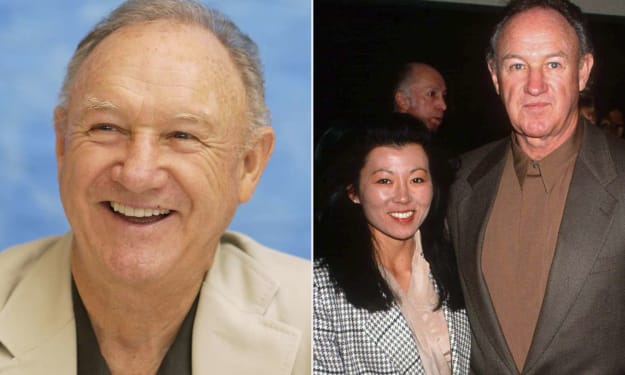
Gene Hackman, a towering figure in Hollywood, captivated audiences for over five decades with his unmatched talent, versatility, and presence on screen. His career spanned an impressive range of films, from gritty crime dramas to superhero blockbusters, earning him a place among the finest actors of his generation. Yet, despite his legacy, it is his untimely death alongside his wife, Betsy Arakawa, that has recently gripped the public’s attention. The events surrounding their passing have left fans, friends, and loved ones in shock, with many questions still remaining unanswered.
By Lynn Myersabout a year ago in History
The Year 1916 in Review: Fun Facts, Trivia, and Historic Highlights
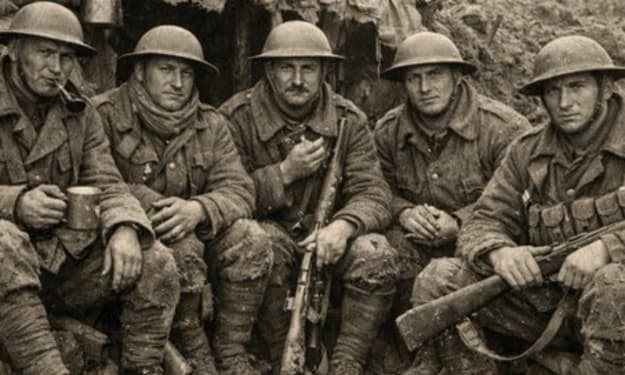
This quick read is a collection of fun facts, trivia, and historic events from the year 1916. Discover the year’s top news stories, most influential people, sports trivia, grocery prices, entertainment news, and much more.
By Gregory DeVictor7 days ago in History


Comments
There are no comments for this story
Be the first to respond and start the conversation.